Key Takeaways
- Social stories are research-backed tools that help children with autism, ADHD, and anxiety understand social situations, routines, and emotions through simple, personalized narratives
- Our free library includes 20+ ready-to-print stories organized by category: daily routines, transitions, emotions, school situations, and more
- Effective use requires reading stories consistently before the situation occurs, keeping language concrete, and pairing stories with real-world practice
- Personalized stories that feature your child's name and specific details are significantly more effective than generic versions
- Teachers and parents can print and laminate stories for repeated use, or create custom versions tailored to your child's unique needs
What Are Social Stories and Why Do They Help Children with Autism?
Social stories are short, personalized narratives that describe social situations, routines, or skills in concrete, non-judgmental language—helping children understand what to expect and how to respond. Developed by Carol Gray in 1991, social stories have become one of the most evidence-based interventions for children with autism spectrum disorder (ASD), ADHD, and anxiety.
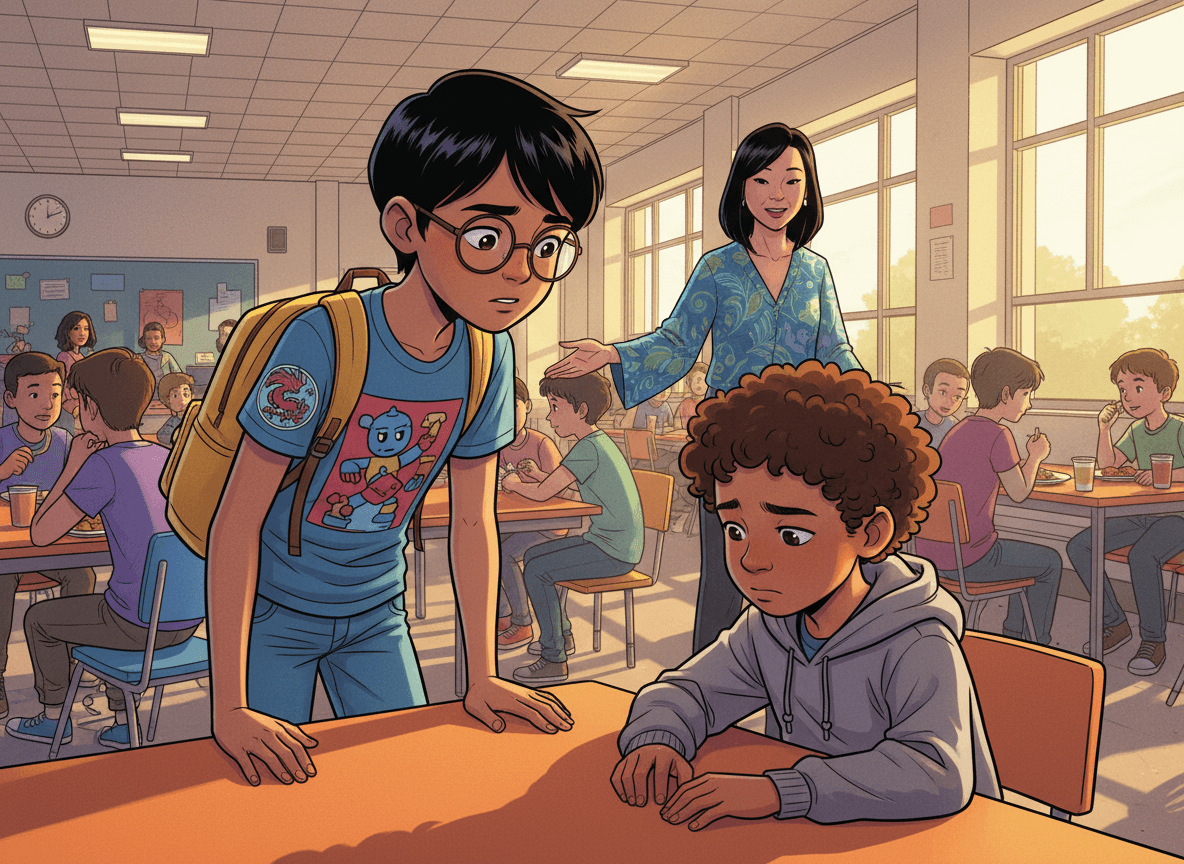
Children with autism often struggle with social unpredictability and transitions because their brains process social information differently. A typical social story walks through a situation step-by-step, using simple language and sometimes illustrations, so your child knows exactly what will happen and what's expected of them.
Research shows that 80% of studies on social stories report positive outcomes for children with autism, with improvements in social understanding, behavior, and anxiety reduction.
The magic of social stories lies in reducing anxiety through predictability. When your child knows what to expect—whether it's the first day at a new school or waiting in line at the grocery store—their nervous system doesn't perceive the situation as a threat. This allows them to focus on learning the skill or behavior, rather than managing fear.
Social stories work because they:
- Use concrete, literal language that matches how autistic brains process information
- Reduce the cognitive load of figuring out unwritten social rules
- Provide a script your child can reference mentally during the actual situation
- Build confidence by removing the "surprise factor" from new experiences
- Can be customized to your child's specific interests, sensory needs, and learning style
How Should I Use These Free Printable Stories at Home?
Start by reading the story with your child 3-5 times in the week before the situation occurs, then continue reading it regularly to reinforce the message. Consistency is key—social stories work best when they become part of your routine, not a one-time intervention.
Here's a practical step-by-step approach:
-
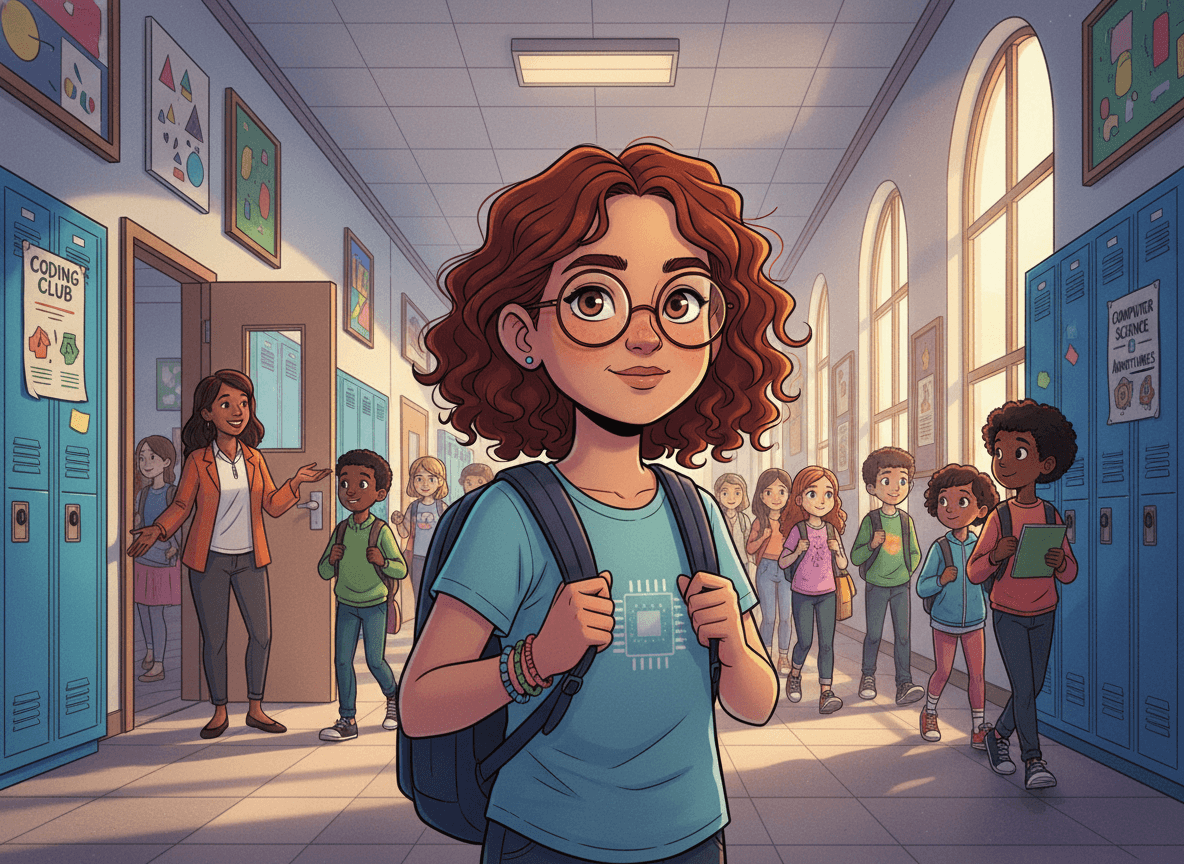
Choose the right story. Browse our library and select one that matches an upcoming situation or challenge your child faces. For example, if your child is anxious about starting school, try "My First Day at New School".
-
Print and prepare. Download the story and print it on cardstock. Consider laminating it so it lasts through repeated readings and can be taken to school or appointments.
-
Read together regularly. Sit down with your child in a calm environment and read the story aloud. Use a calm, matter-of-fact tone—avoid making it feel like a "lesson." Ask simple questions like, "What happens next?" or "How does the character feel?"
-
Connect to real life. After reading, briefly talk about how the story relates to your child's life. For instance: "Just like in the story, you'll get on the bus tomorrow morning. The bus driver will say hello, and you'll find a seat."
-
Practice before the event. If possible, do a dry run. Visit the location, meet the person, or practice the routine with your child while referencing the story.
-
Revisit after the experience. Read the story again after your child goes through the situation. This reinforces that they did it successfully and builds confidence.
Parents often ask: Should I read the story every single day? The answer depends on the situation. For ongoing routines like morning preparation, reading "My Morning Routine Before School" 2-3 times per week maintains consistency. For one-time events like a dentist visit, focus on the week leading up to it.
Personalization matters enormously. A story that features your child's actual name, their classroom teacher's real name, or their favorite color is far more effective than a generic version. This is why customizable stories often outperform pre-written ones—your child sees themselves in the narrative.
How Can Teachers Use These Stories in the Classroom?
Teachers can use social stories as a preventive tool during morning meetings, transition times, or when introducing new routines—reducing behavior challenges before they occur. Unlike reactive discipline, social stories are proactive and teach skills directly.
Effective classroom implementation includes:
-
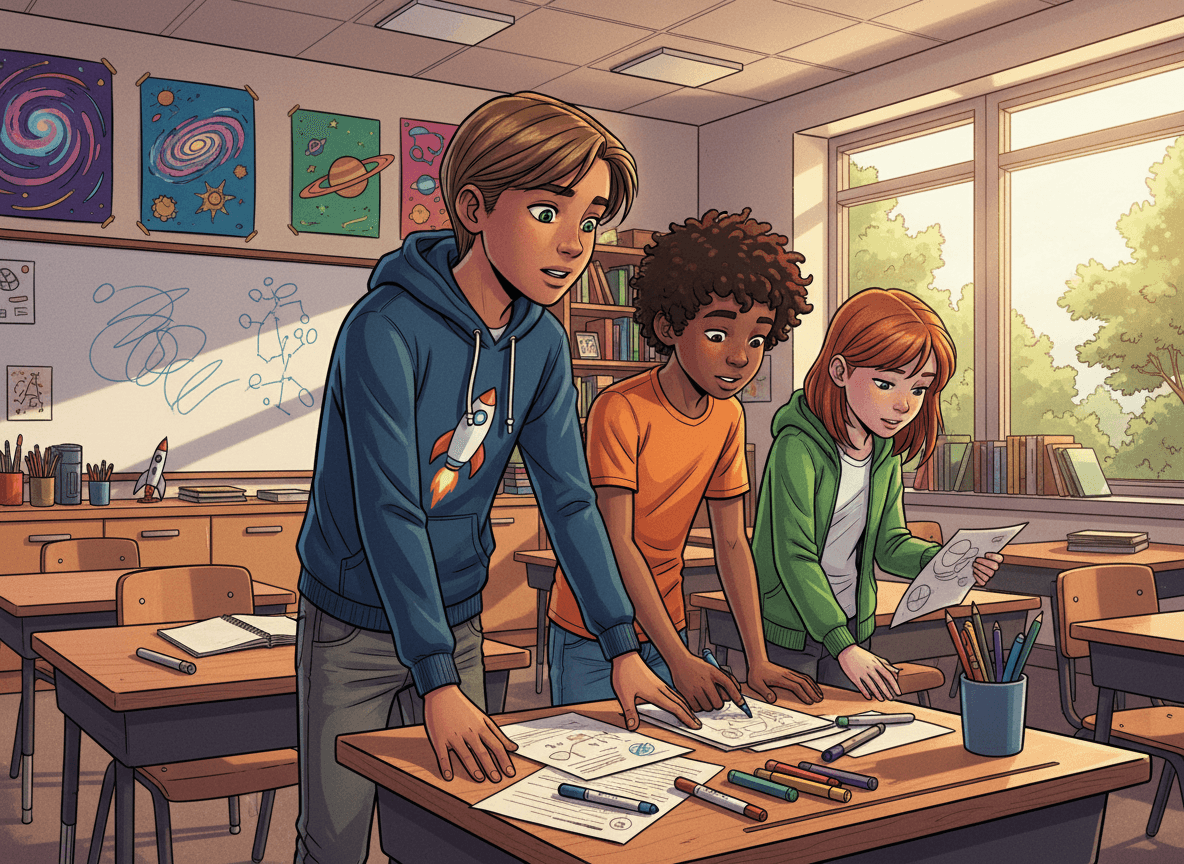
Morning meeting ritual. Read a relevant story during morning meeting 2-3 times per week. Stories like "Working Together on Projects" prepare students for collaborative work and reduce conflicts.
-
Transition support. Use stories before schedule changes, fire drills, or assembly days. Keep printed copies in a folder so you can quickly grab one when transitions arise.
-
Behavior coaching. When a student struggles with a specific skill—like "Waiting My Turn in Line"—read the relevant story, then practice the behavior together.
-
Peer education. Read stories aloud to the whole class. This normalizes different ways of learning and helps neurotypical peers understand their classmates' experiences.
-
Send copies home. Partner with parents by sending home printed stories so families reinforce the same messages at home. Consistency across settings dramatically increases effectiveness.
For more guidance on classroom implementation, see our Social Stories in the Classroom: A Teacher's Evidence-Based Guide.
What Topics Does Your Free Story Library Cover?
Our library includes 20+ stories organized into eight categories: daily routines, transitions, emotions, school situations, social skills, health and safety, family changes, and more. Here's what's available:
Daily Routines help children master predictable parts of their day:
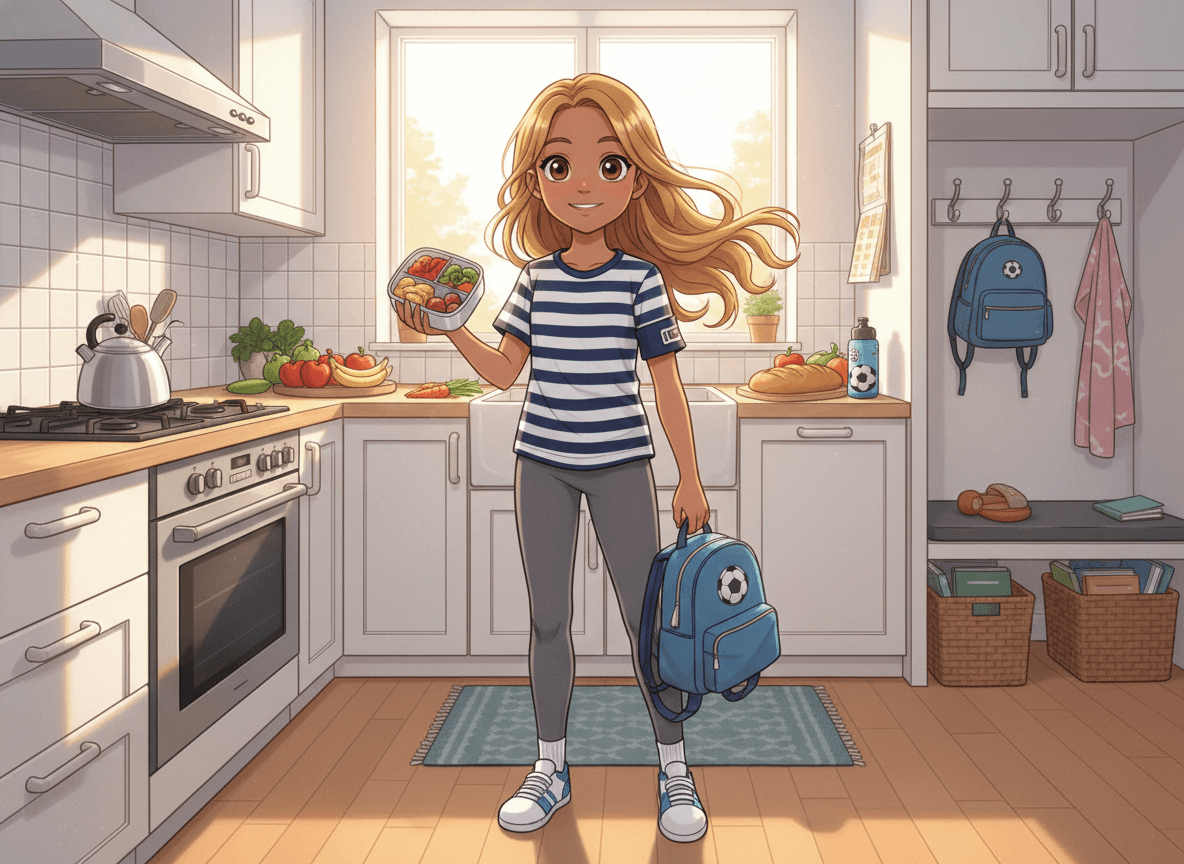
- "My Morning Routine Before School"
- "My Bedtime Routine"
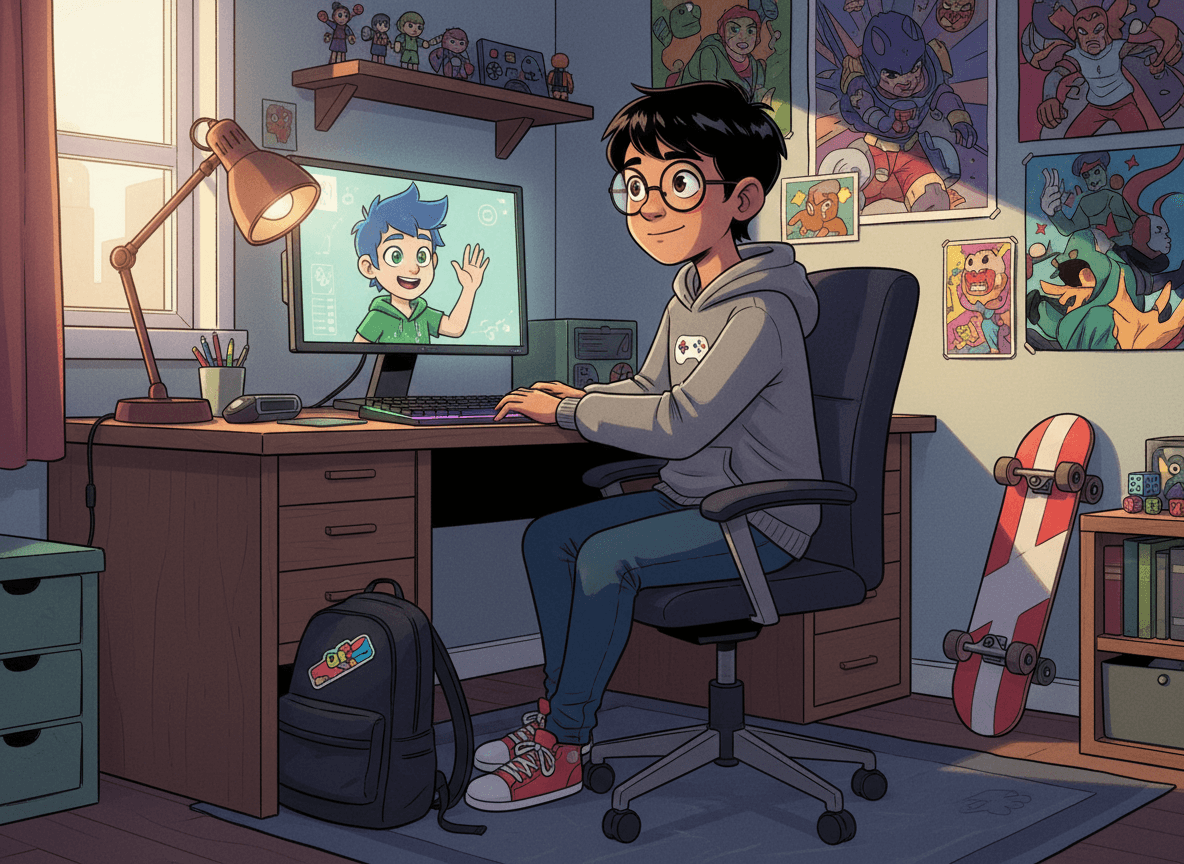
- "My Study Space and Routine"
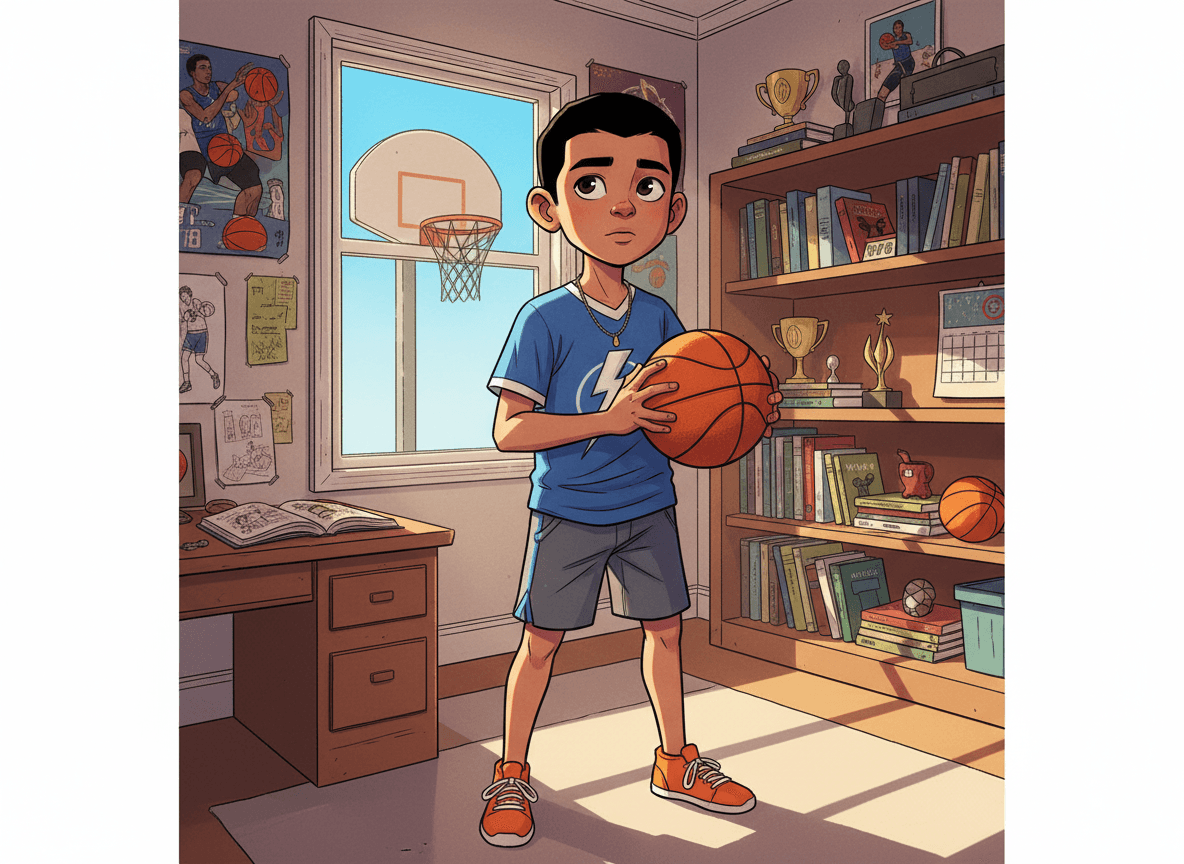
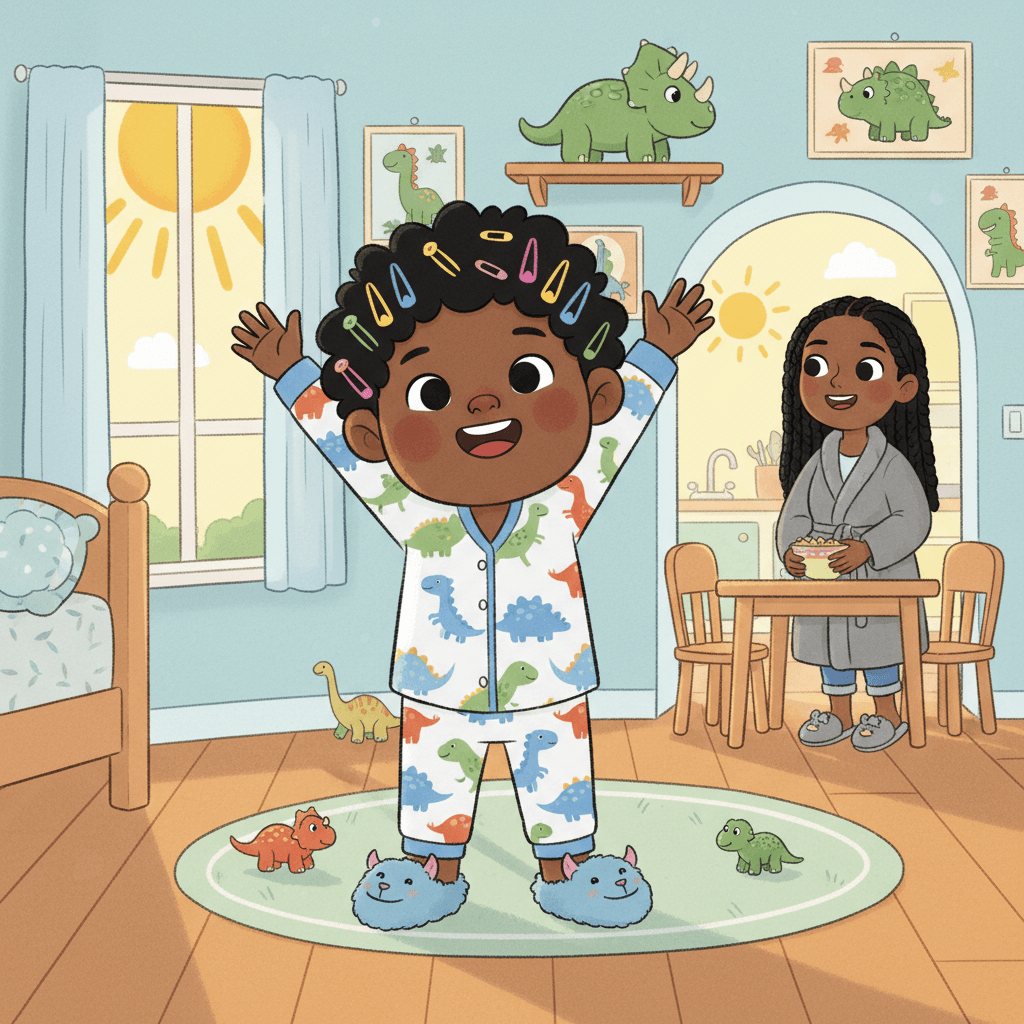
- "Madden's Morning Adventure"
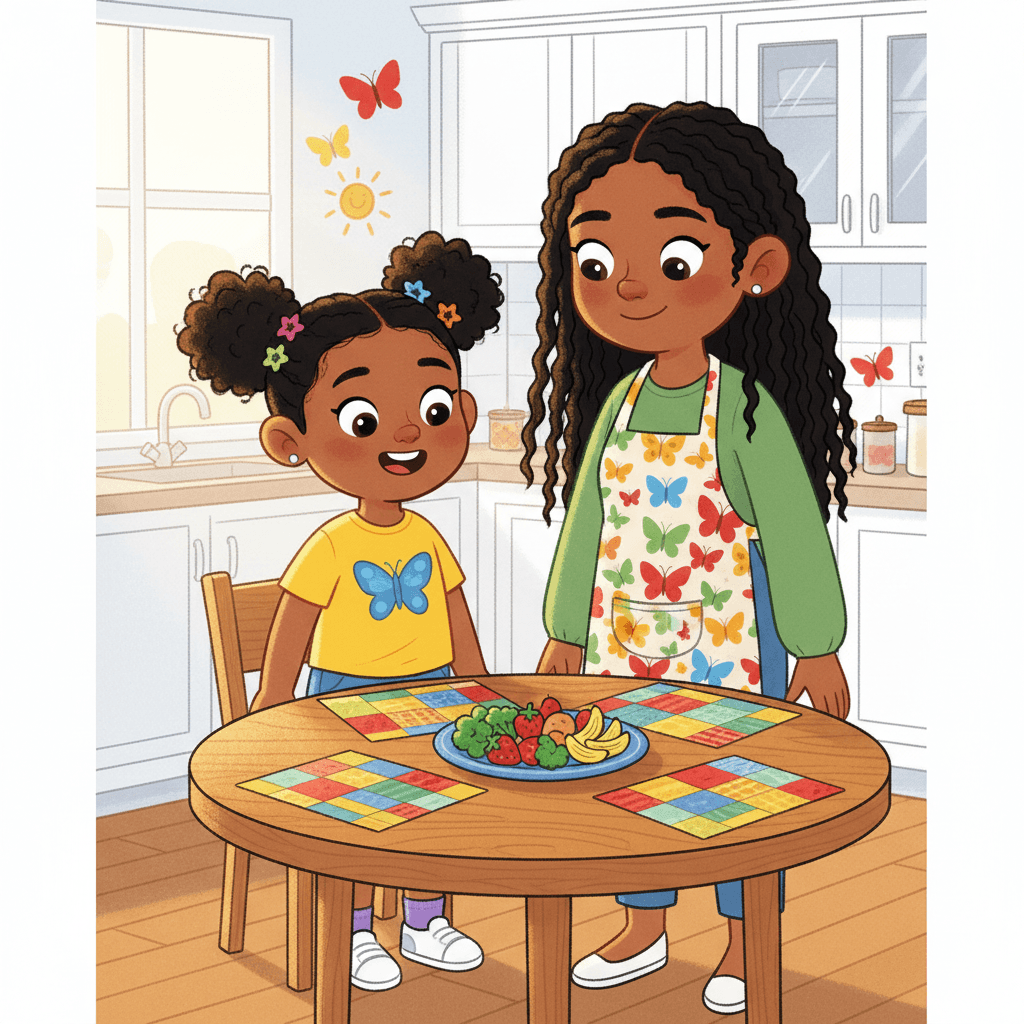
- "Trying New Foods with Aisha"
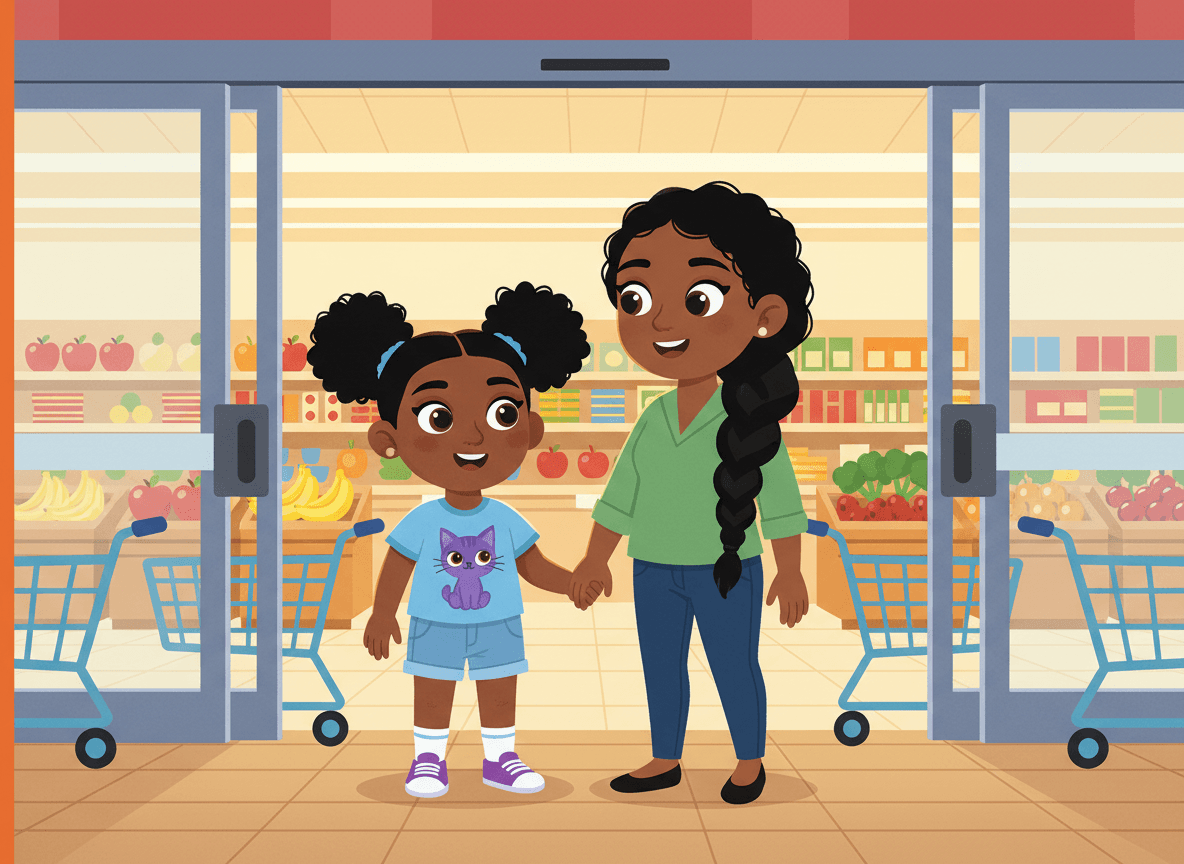
- "Shopping at the Grocery Store"
Transitions & Changes address difficult schedule shifts:
Emotions & Coping help children understand and manage feelings:
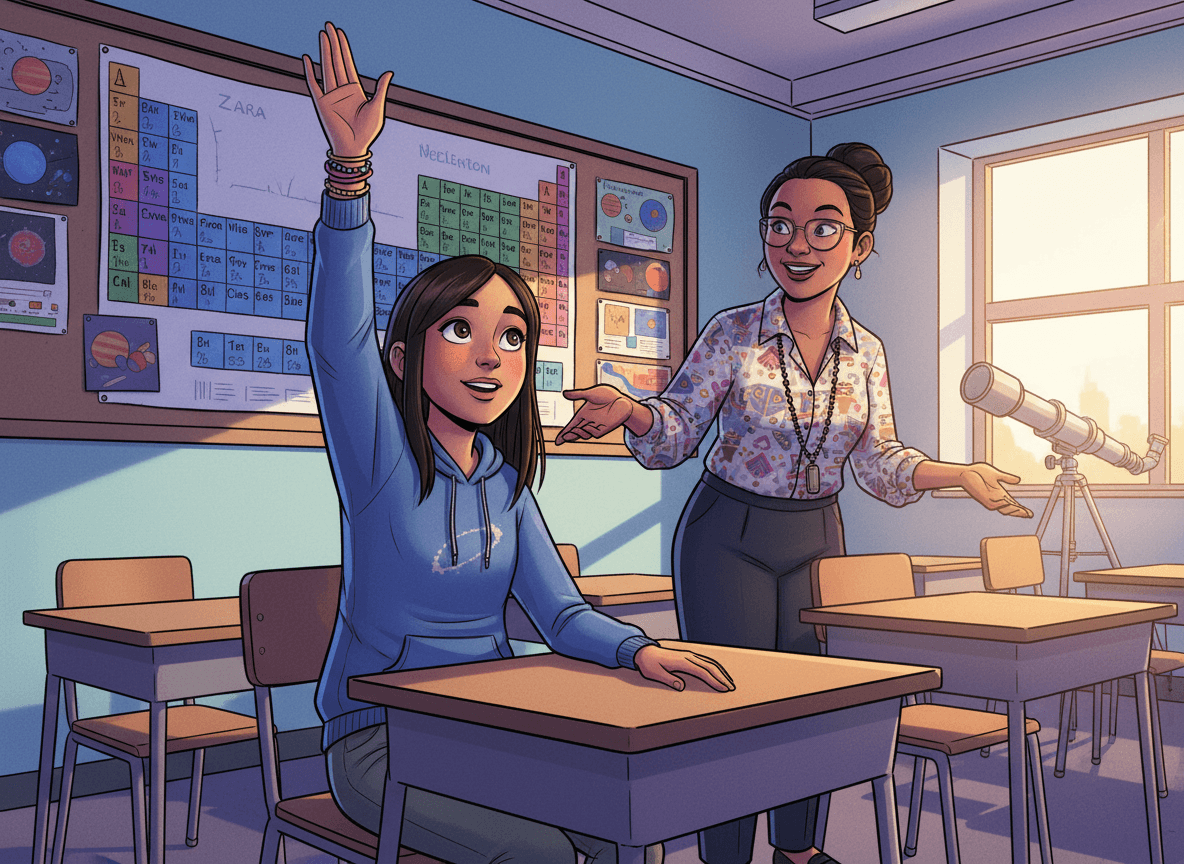
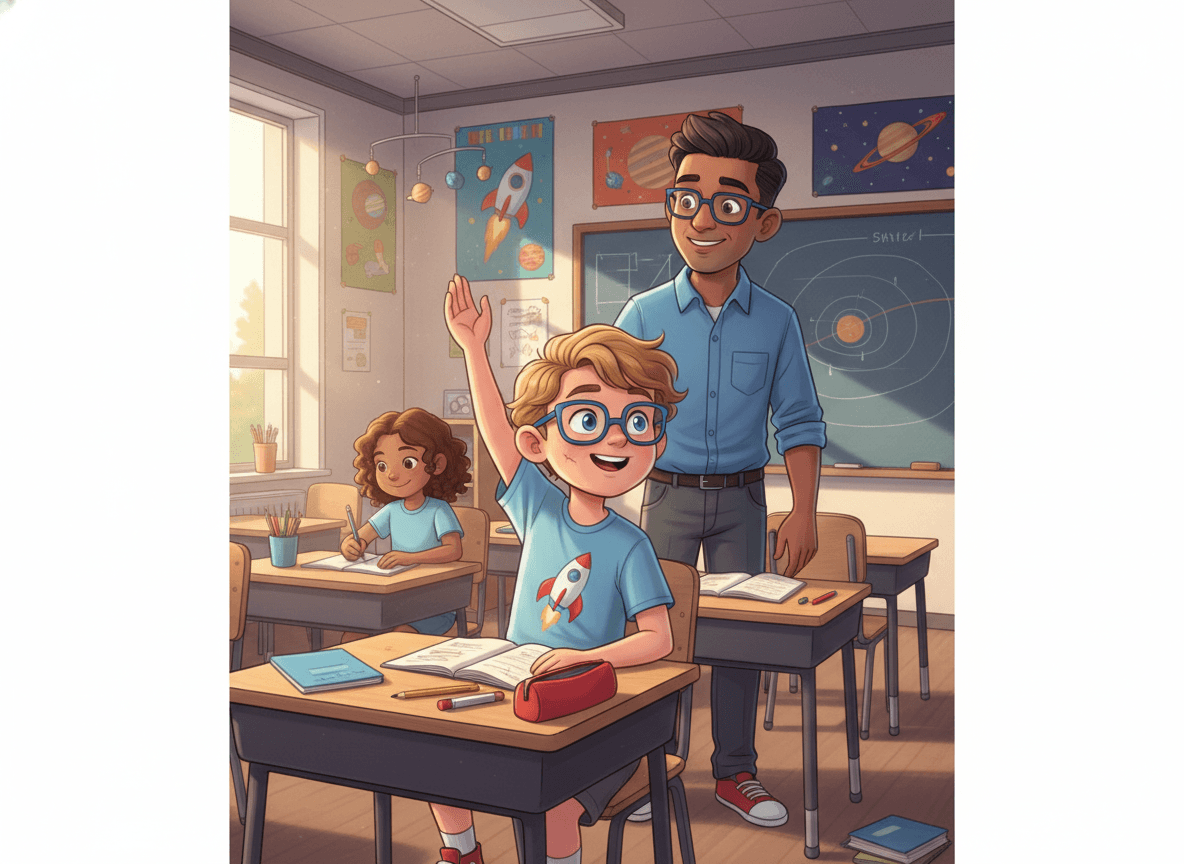
School Situations support academic and social success:
Social Skills teach peer interaction:
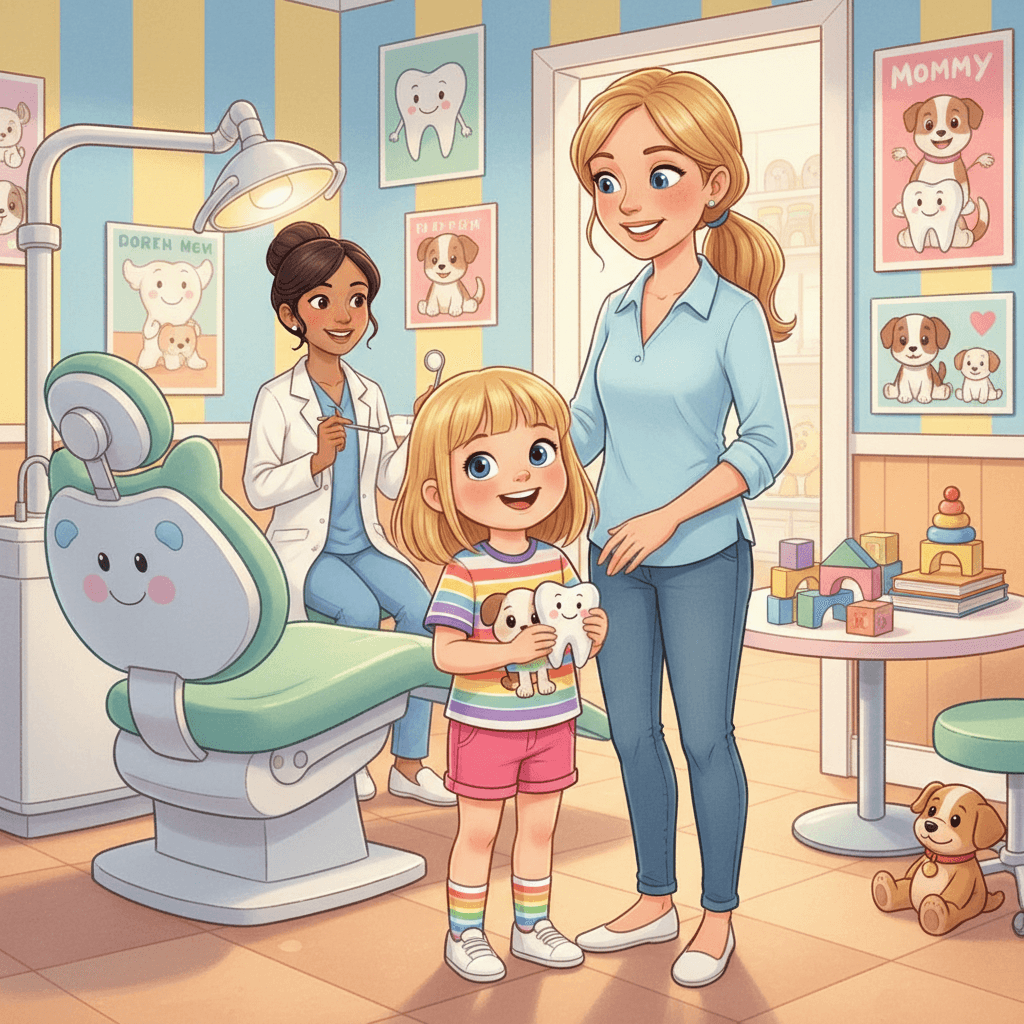
Health & Safety prepare for medical visits:
All stories are completely free to download and print. No login required, no hidden fees.
How Do I Know If a Social Story Is Working?
Track specific behaviors or anxiety levels before and after introducing a story to measure its effectiveness—look for reduced tantrums, faster transitions, or increased confidence in the targeted situation. Not every story works for every child, and that's normal. Some children need more repetitions, while others respond after just a few readings.
Signs that a social story is working include:
-
Reduced anxiety. Your child asks fewer worried questions about the upcoming situation, or shows less physical anxiety (fidgeting, stomach complaints).
-
Faster transitions. Getting ready for school or bed takes less time and involves fewer reminders.
-
Increased independence. Your child references the story themselves ("Like in the story, I wait my turn") or completes steps without prompting.
-
Fewer behavior challenges. Tantrums, refusals, or meltdowns related to that specific situation decrease in frequency or intensity.
-
Increased confidence. Your child expresses willingness to try the activity or says things like, "I know what happens because we read the story."
If a story isn't working after 4-5 weeks of consistent use, try a different story or consider personalizing it with your child's name and specific details. Research shows that personalized stories are significantly more effective than generic ones, which is why many families create custom versions alongside using our free library.
For deeper guidance on effectiveness, see "Do Social Stories Work? What 30+ Studies Say (2026)".
What's the Best Way to Create a Custom Story for My Child?
While our free library covers common situations, personalized stories that feature your child's name, interests, and specific details are more effective—consider creating a custom version if you can't find exactly what you need. A story about "Kai's first day at Lincoln Elementary" works better than a generic "My First Day at School" because your child sees themselves in the narrative.
When creating or customizing a story:
-
Use your child's actual name and the real names of important people (teacher, therapist, sibling).
-
Include specific details about the location, sensory environment, and sequence of events. Instead of "We go to the doctor," write "We drive to Dr. Chen's office on Maple Street. The waiting room has blue chairs and a fish tank."
-
Match your child's interests. If your child loves dinosaurs, mention them: "Like a T-Rex learning new things, I'm learning how to ask for help."
-
Use concrete, literal language. Avoid idioms, sarcasm, or abstract concepts. Say "I feel worried" instead of "I have butterflies in my stomach."
-
Include a coping strategy. End with something your child can actually do: "If I feel nervous, I can take three deep breaths" or "I can ask my teacher for help."
-
Add illustrations or photos. Even simple stick figures or photos of the actual location make stories more engaging and concrete.
If you'd like a personalized version of a story for your child—one that includes their name, their classroom, and their specific sensory needs—you can create one free at GrowTale. Our app walks you through customization step-by-step, so you end up with a story perfectly tailored to your child's life.
Frequently Asked Questions
Can I use these social stories if my child has ADHD or anxiety instead of autism?
Absolutely. While social stories were originally developed for autism, they're equally effective for children with ADHD, generalized anxiety, and other developmental differences. Children with ADHD benefit from the structured, concrete format and reduced cognitive load. For anxiety, stories help by making unpredictable situations predictable. See our guide on "Social Stories for ADHD, Anxiety & Developmental Differences" for specific strategies tailored to each condition.
How many times should I read a social story before the actual situation happens?
Most research suggests 3-5 readings in the week before the situation, then continuing to read it regularly for reinforcement. For ongoing routines (like morning preparation), read 2-3 times per week. For one-time events (like a dentist visit), focus on the week leading up to it. Every child is different—some need more repetitions, while others grasp the concept quickly. Watch for signs of understanding and adjust accordingly.
Are these stories appropriate for teenagers, or just younger children?
Social stories can be adapted for any age. Our current library focuses on elementary-age children, but the same principles apply to teens. For older children, use more mature language, longer narratives, and stories that address teen-specific situations (like social media, first crushes, or job interviews). You can modify our free stories by updating the language, or create custom ones that match your teenager's interests and challenges.
Can I share these stories with my child's school, or do I need permission?
Yes, absolutely share them! These stories are free for educational use at home and in school settings. Print them, laminate them, and send copies to your child's teacher. Many teachers appreciate having pre-written stories ready to use. If your school wants to use them school-wide, simply credit GrowTale and link to our library so other families can access them too.
What if my child refuses to read the social story?
Try embedding the story into something your child already enjoys. Read it during their favorite time of day, make it part of a routine, or pair it with a preferred activity (like snack time). You can also try different formats—some children prefer listening to an audio version, watching a video, or looking at just the pictures. If resistance persists, it might mean the story topic feels too threatening. In that case, slow down and build tolerance gradually, or consult with a therapist about desensitization strategies.