When Plans Change
Kai learns to manage disappointment when a basketball game gets cancelled and discovers how to adapt when things don't go as expected.
Free to read and print — no account required
Read the Story
10 pages · 8 min read read
Show text
Read the Story
10 pages · 8 min read read
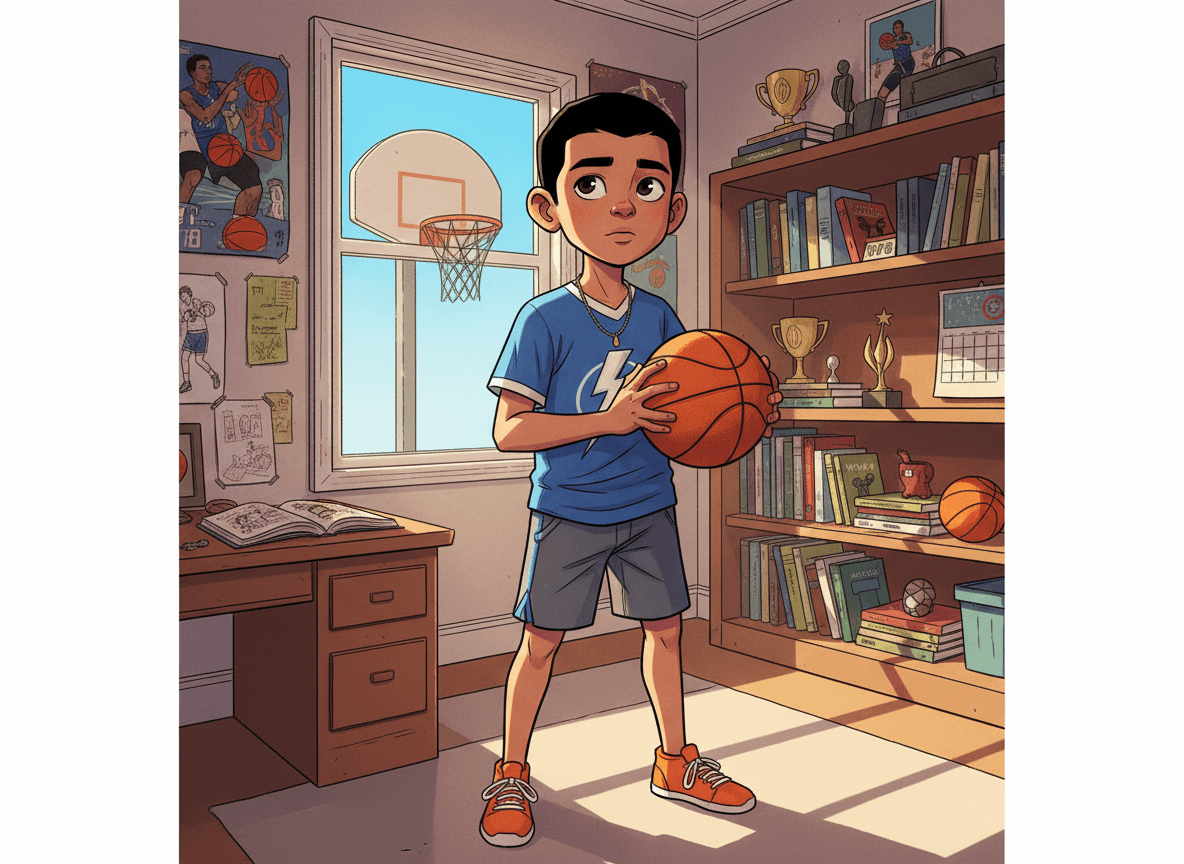
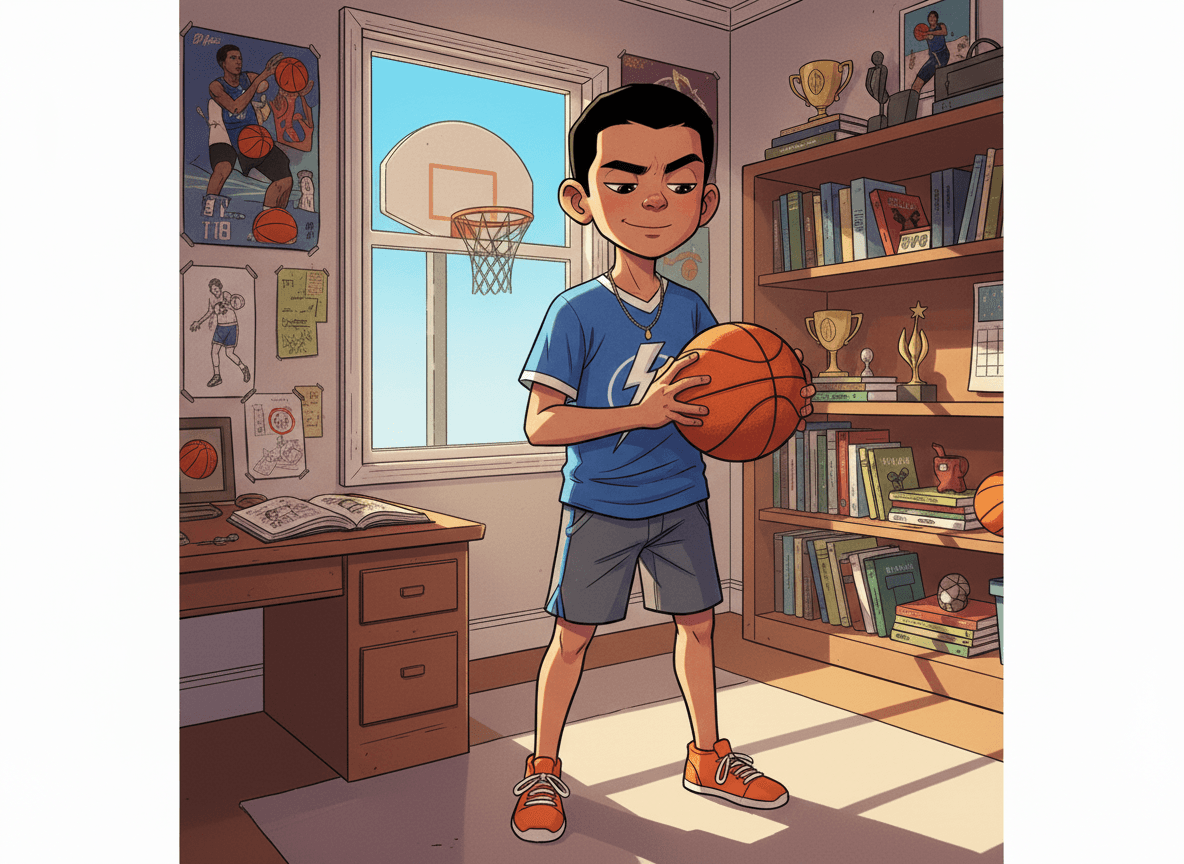
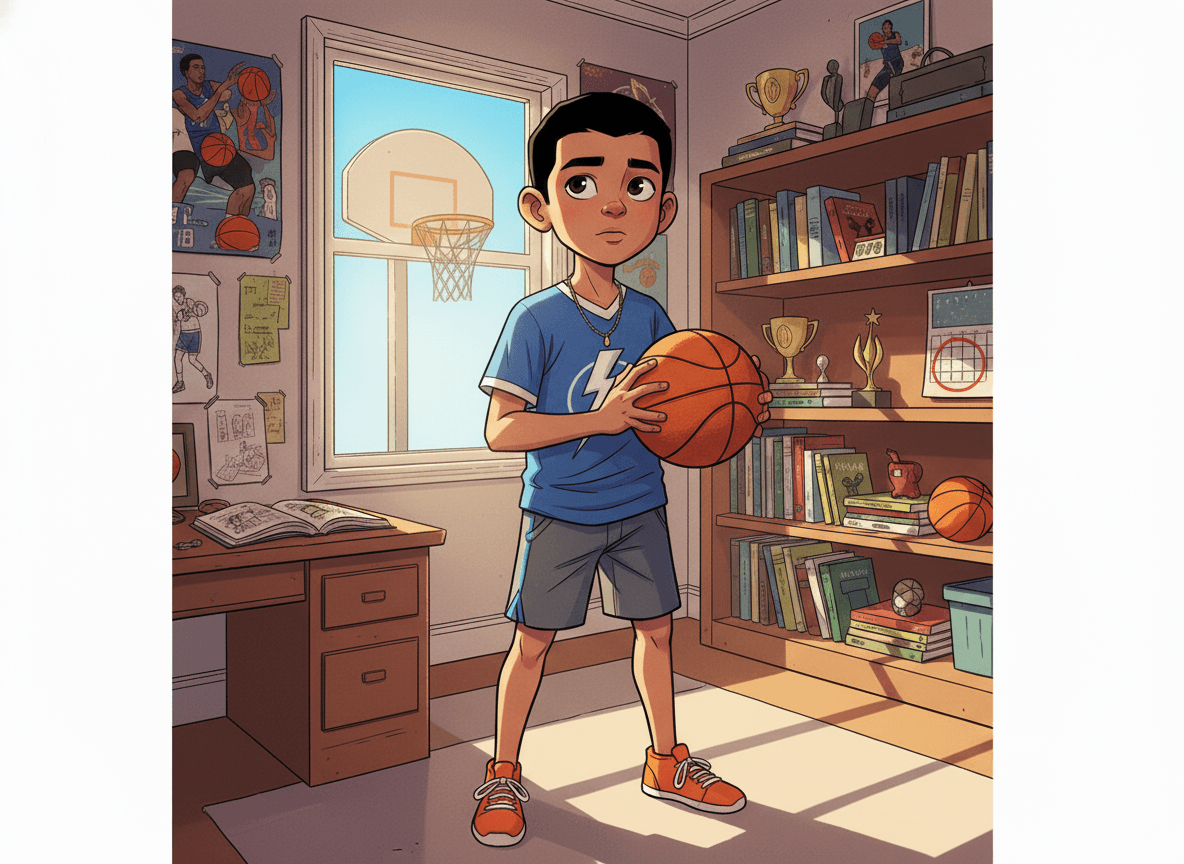
My name is Kai, and I love basketball. Every Saturday morning, my team plays a game at the community center. I've been looking forward to this Saturday's game all week because it's against the Eagles, and they're really good. I've been practicing my dribbling and my three-point shot to get ready.
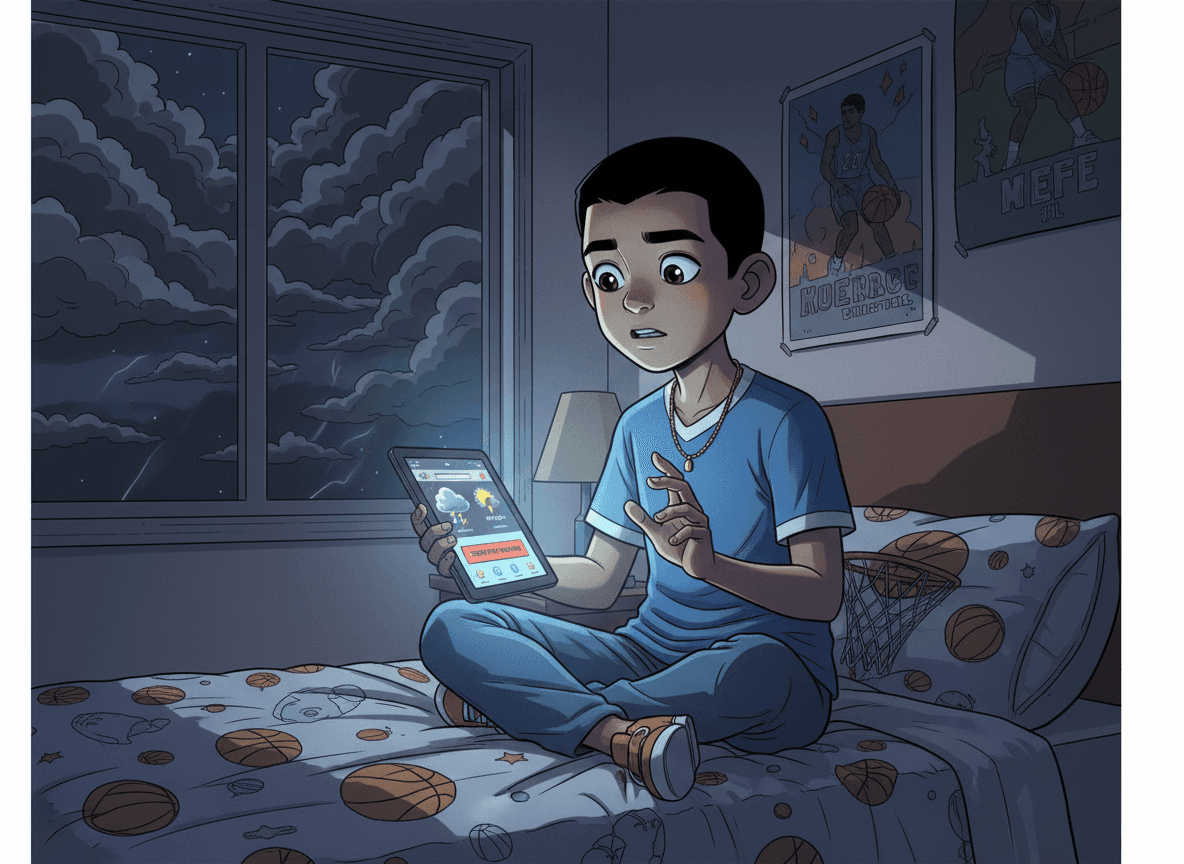
On Friday night, I check the weather forecast because I want to know what to wear. The forecast says there's a big storm coming tomorrow morning. I think about the game and wonder if it might be cancelled, but I tell myself it will probably still happen. I set out my basketball clothes and go to bed excited.
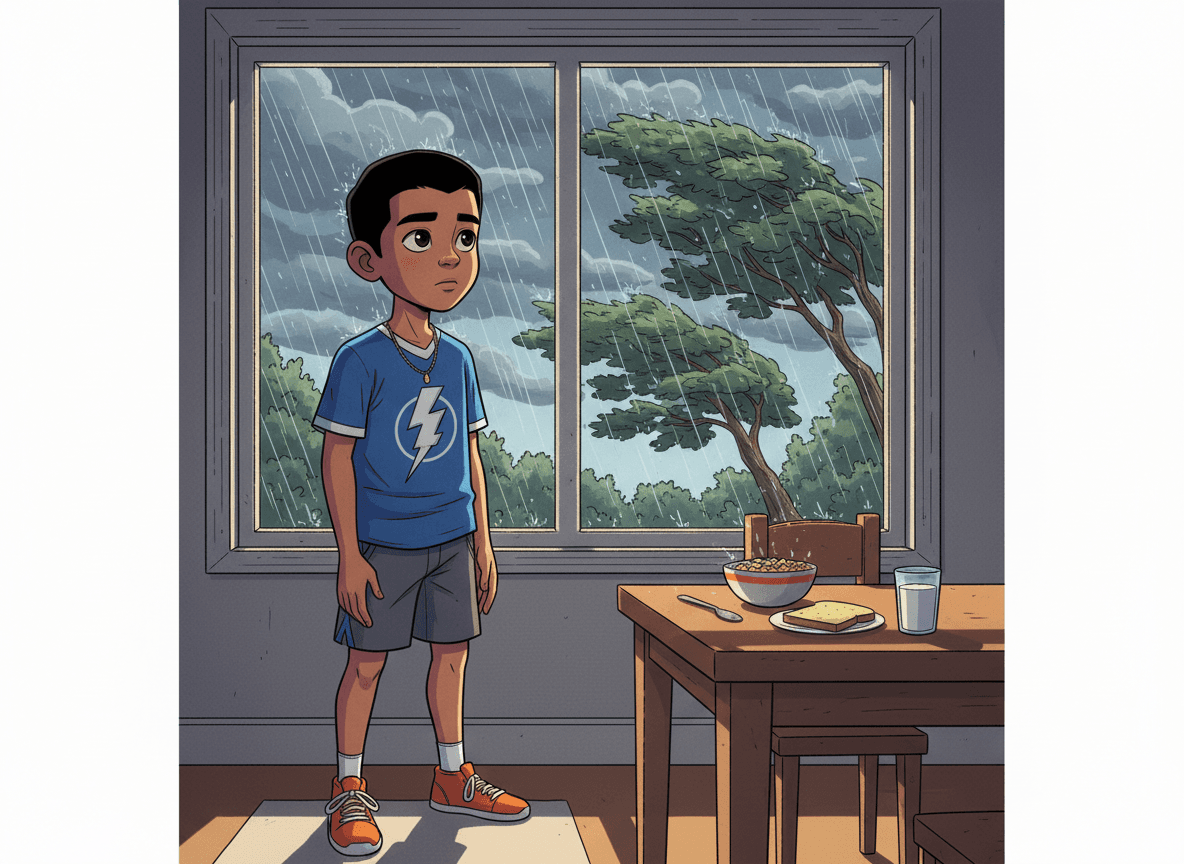
Saturday morning arrives, and I wake up excited. But when I look outside, I see heavy rain and wind. The sky is dark gray. I get dressed in my basketball clothes anyway because I believe the game will happen. I eat breakfast and wait for Morgan to tell me it's time to go.
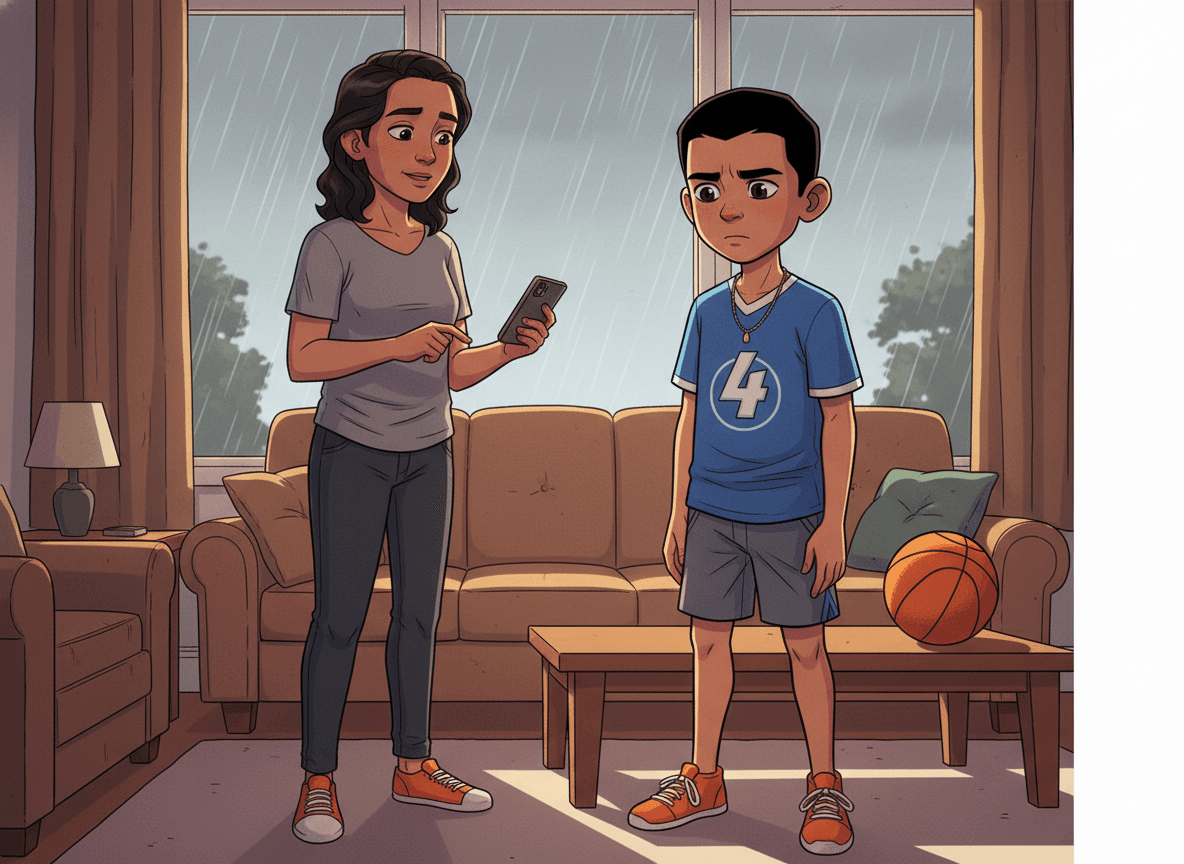
At 8:30 a.m., Morgan gets a text message. The community center called to say the game is cancelled because of the storm. Morgan tells me the news. My stomach drops, and I feel a rush of disappointment. This is not what I planned for. I was ready to play. I spent all week preparing.
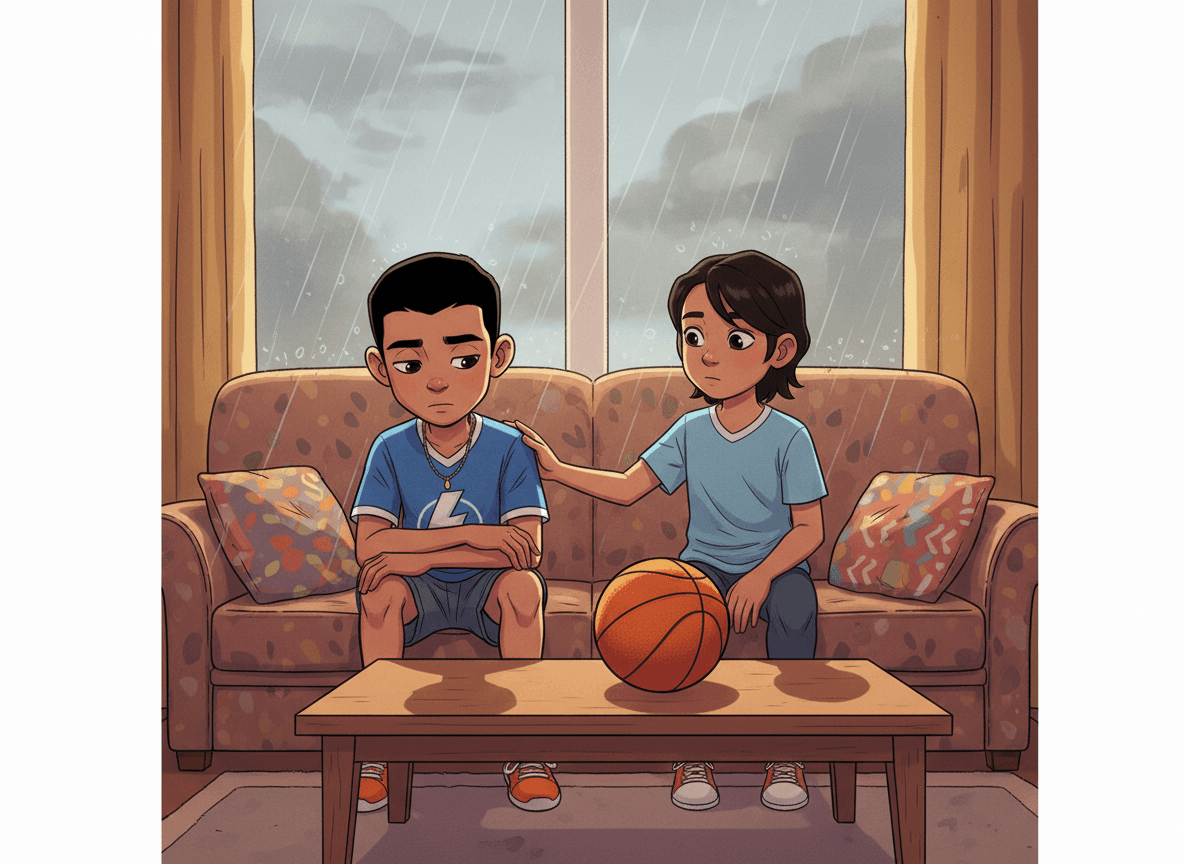
I feel disappointed because I had a specific plan in my mind. When plans change, it feels like something important was taken away from me. This is a normal feeling to have. Many people feel disappointed when things don't go the way they expected. Disappointment is an emotion that tells me something mattered to me, and that's okay.
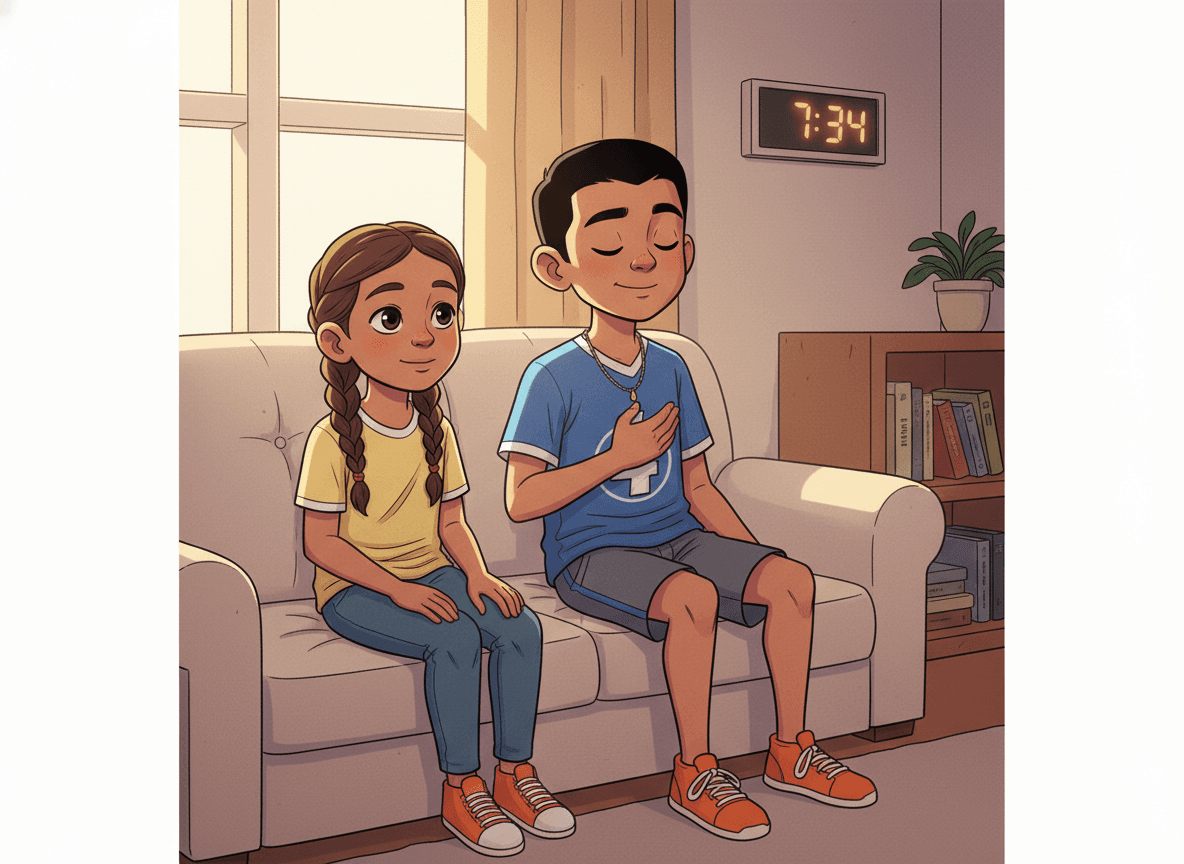
When I feel disappointed, I can use a strategy to help me move forward. I take three deep breaths by breathing in for a count of 4, holding for a count of 4, and breathing out for a count of 4. This helps my body settle down because deep breathing tells my nervous system that I'm safe. After I breathe, I feel a little calmer, and my thinking becomes clearer.
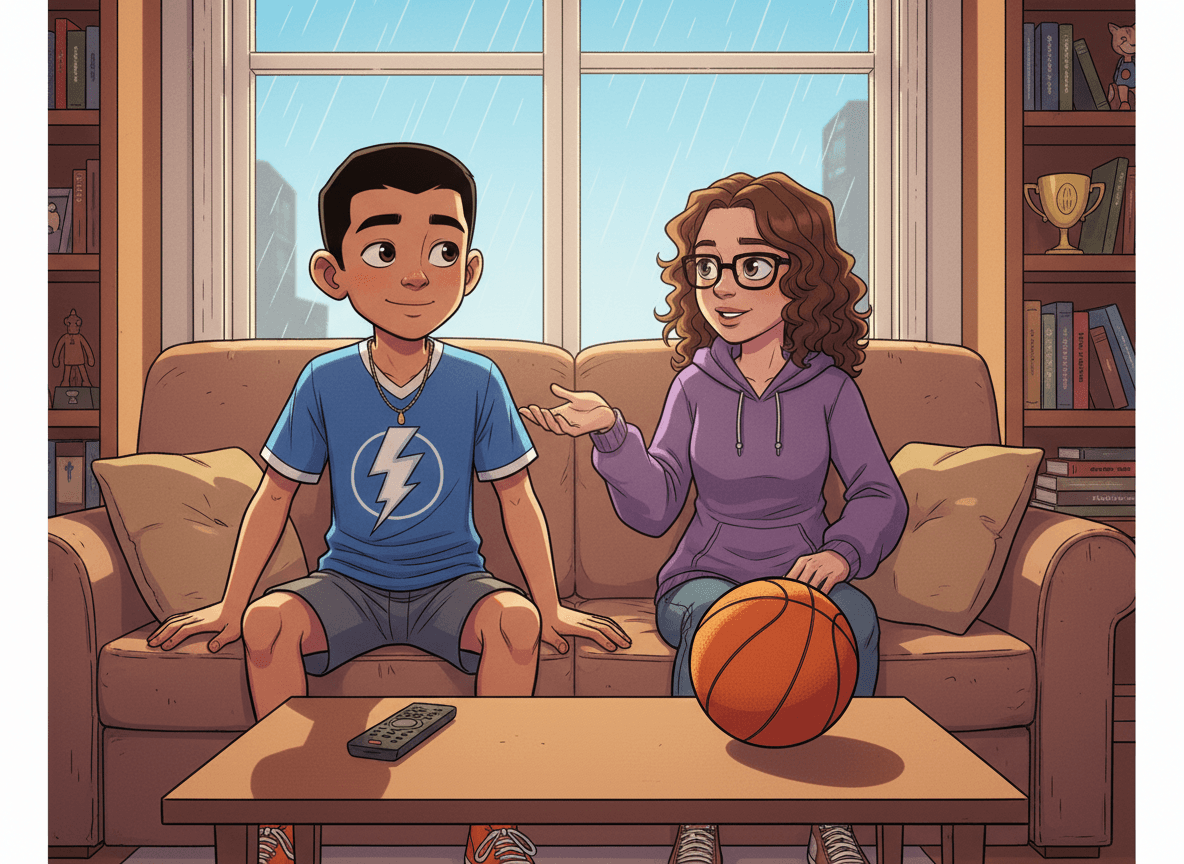
After I breathe and feel calmer, I can think about what I can do instead. Morgan suggests we could shoot hoops in the driveway during a break in the rain, or we could watch a basketball game on TV together. I could also practice ball-handling drills inside. These aren't the same as the scheduled game, but they're still basketball activities I enjoy.
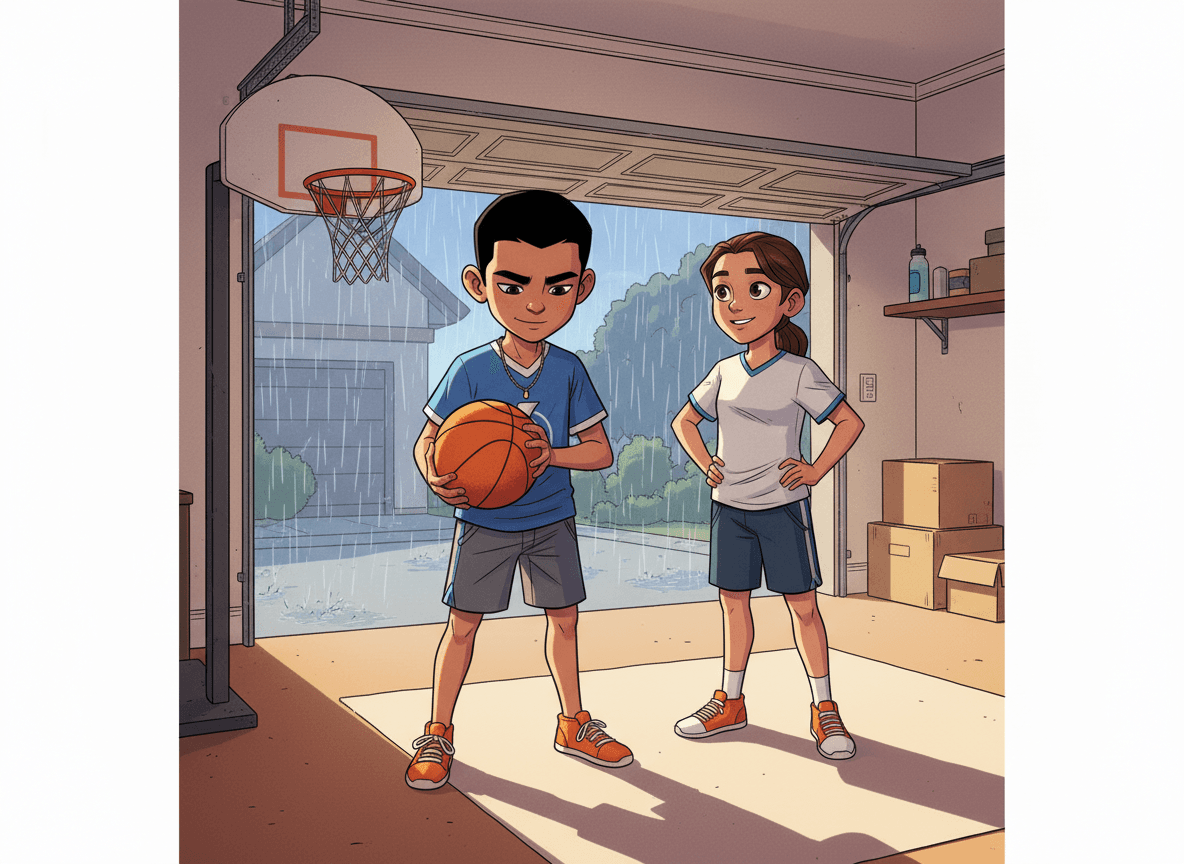
I realize that when plans change, it doesn't mean the day is ruined. It means I need to make a new plan. The original plan mattered to me, and it's okay to feel disappointed about losing it. But I can also find new things to do that still feel meaningful. I choose to practice drills in the garage with Morgan while the rain lightens up.
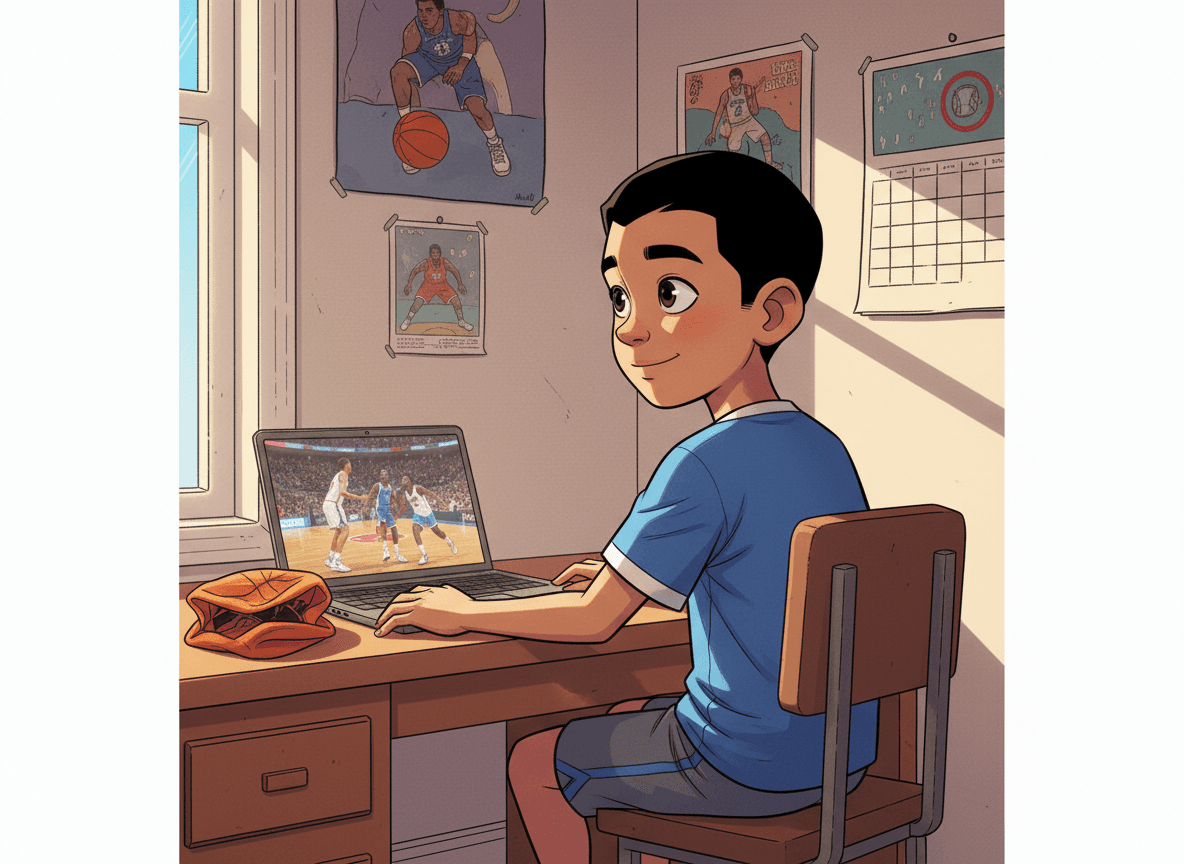
Later that day, I text my friend Jordan from the team and ask what they're doing. Jordan is disappointed too because they also wanted to play. We decide to watch the NBA game together online, and our coach sends us a video of some new plays we can study. By the end of the day, I've practiced, learned something new, and spent time with people I care about. The day turned out differently than I expected, but it still had good moments.
I've learned that disappointment is real and valid, and it's something everyone experiences. When things don't go as planned, I can use my breathing strategy to calm down, and then I can think of new options. Sometimes the new plan turns out to be just as good, or even better, than the original one. And sometimes it's just different, and that's okay too. Next Saturday, I'll play my game against the Eagles. Until then, I can keep practicing and stay ready.
Social Story Methodology
Why This Story Works
This story walks children through a concrete, relatable disappointment—a cancelled basketball game—and models exactly how to process it using Carol Gray's approach of naming the emotion, validating it, and teaching a coping strategy. For children with autism and anxiety who struggle with plan changes and rigid expectations, watching Kai move from disappointment through breathing exercises to generating alternatives teaches that flexibility is learnable, not a failure, and that their feelings matter even when plans shift.
Story Structure
How It's Written
Sentence Types
Voice & Perspective
Story Structure
Practical Guidance
Ways to Use This Story
Read Before a Scheduled Activity
Practice the 4-4-4 Breathing Right Now
Create a Backup Plans List Together
Validate Disappointment, Don't Minimize It
Revisit After a Real Plan Change
Want this story made just for your child?
Create a version with your child's name, appearance, and the specific details only they face — in minutes.
from $2.99 · no subscription · pay per story
More Emotions Stories
Free to read and print
My Body Tells Me Things
Amir learns to recognize big feelings in his body and use simple calming strategies to help himself feel better. This story helps him understand that big feelings are normal and that his body can help him calm down.
Amir Calms Down When Frustrated
Amir learns specific calming strategies to use when he feels frustrated during playtime. The story shows him practicing breathing, squeezing, and counting techniques that help his body feel calm again.
Understanding My Emotions at School
Zara learns to recognize and name different feelings she experiences at different times during her school day, from morning arrival through afternoon dismissal. She also learns specific strategies to manage challenging feelings.