
When I Lose at Games
Jordan learns practical strategies for managing frustration when losing a game or making a mistake. The story focuses on understanding why losing feels difficult and concrete coping techniques to help Jordan bounce back.
Free to read and print — no account required








Read the Story
10 pages · 8 min read read
Show text
Read the Story
10 pages · 8 min read read
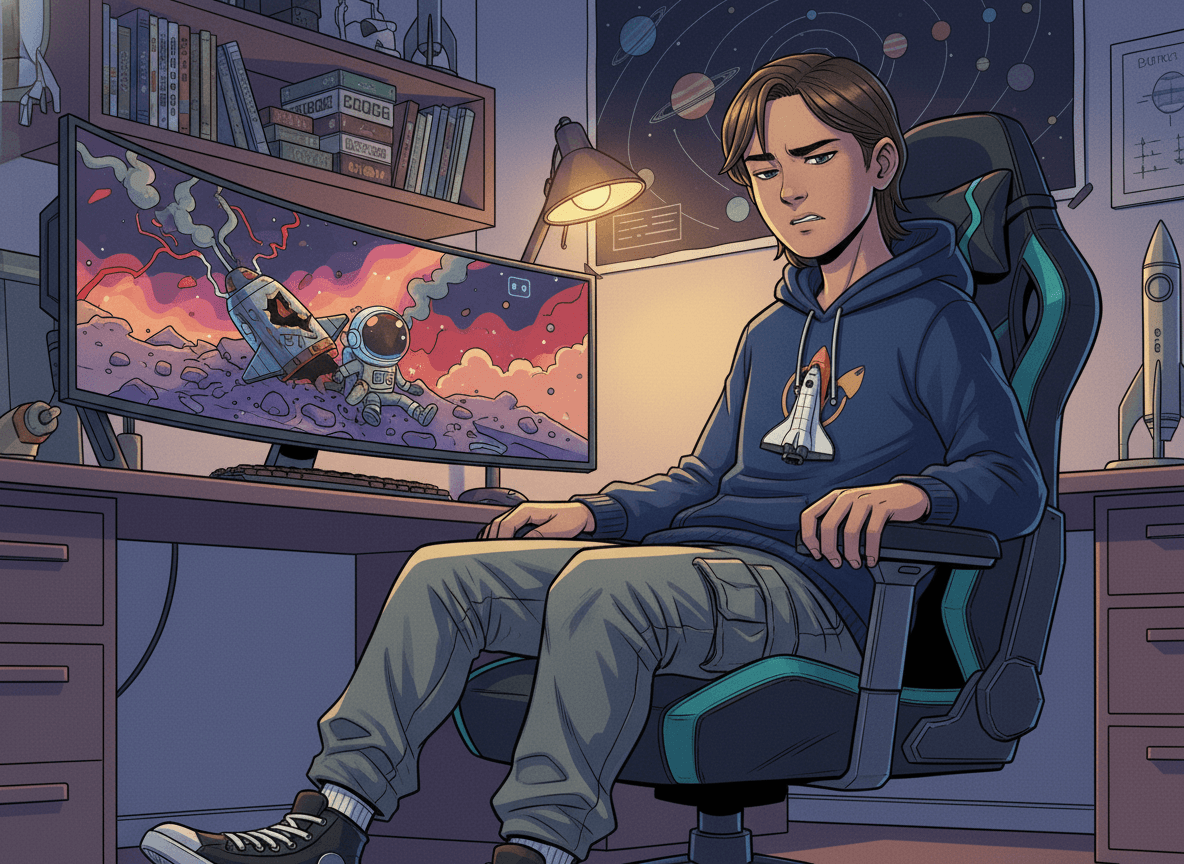
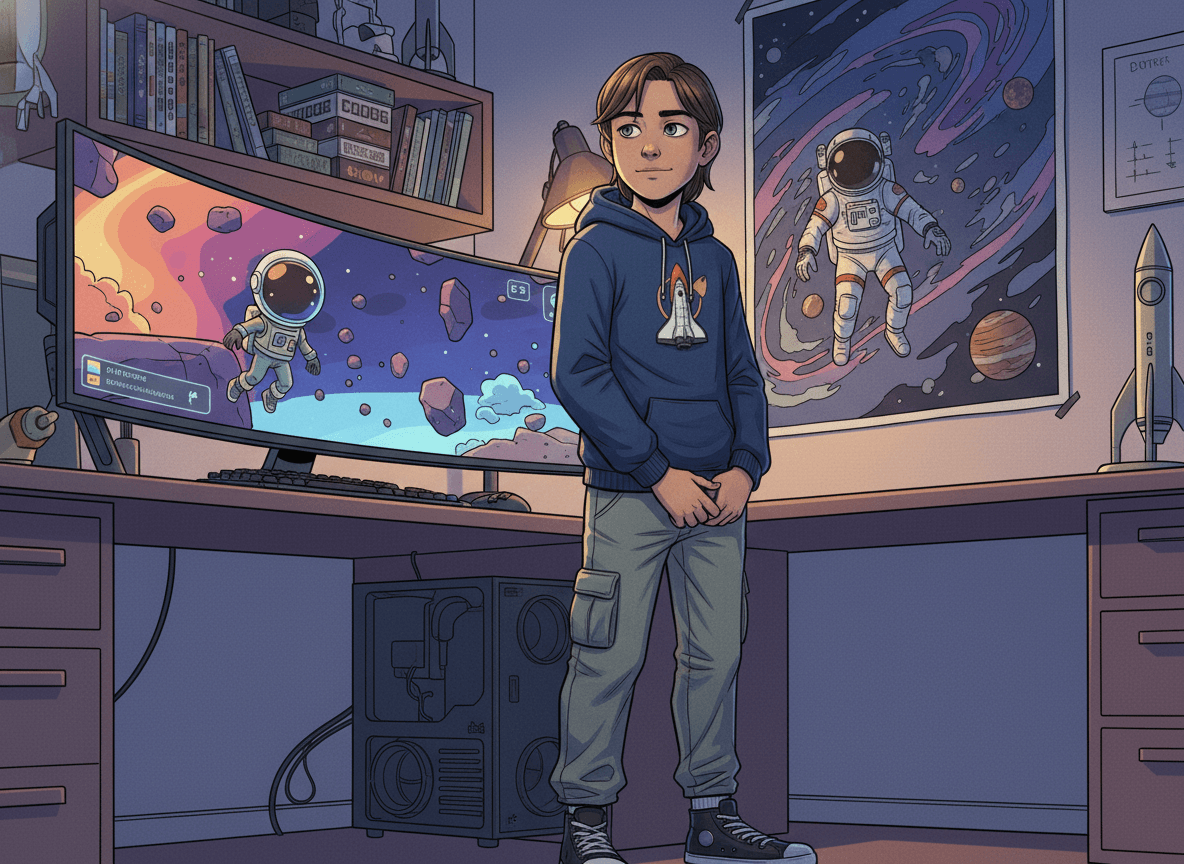
My name is Jordan, and I love playing games—especially space exploration games where I navigate an astronaut through challenging missions. I also love coding games, graphic novels, and skateboarding. Games are really fun when I'm doing well and winning, but sometimes I lose a game or make a big mistake. When that happens, I feel a rush of frustration that's hard to handle.
When I lose or mess up, I notice my frustration happens really fast. My chest feels tight, my hands might clench, and I feel like I want to slam the controller or throw something. This feeling is actually my body's stress response—it's trying to help me, but the response is too big for what's happening. Understanding why I feel this way is the first step to managing it.
I've learned that when I feel that surge of frustration, my brain is flooded with stress chemicals. These chemicals make me want to react quickly and intensely. But I can give my brain time to calm down before I react. The sooner I interrupt the frustration, the sooner I can think clearly again.
Here's my favorite strategy to interrupt the frustration: I pause the game immediately. Instead of keeping playing or reacting, I stop everything for 30 seconds. This pause gives my brain time to process what happened instead of staying in panic mode. Pausing creates space between the mistake and my reaction.
After I pause, I do something physical to help my body release the stress chemicals. I've found that squeezing my stress ball as hard as I can for 5 seconds, releasing it completely, and doing this three times really helps. The squeezing motion tells my muscles to release the tension they've been holding. It's like giving my body permission to calm down.
After squeezing the stress ball three times, I take four specific breaths. I breathe in through my nose for a count of 4, hold the breath in my chest for a count of 4, and breathe out through my mouth for a count of 4. This breathing pattern actually tells my nervous system that I'm safe, and it works every single time. My body listens to my breath.
Now that my brain has calmed down, I can think clearly. I ask myself what actually happened: Did I make a mistake? Did I lose because the game was hard? Or did I just lose this one round? Most losses and mistakes aren't actually failures—they're information. When I'm calm, I can see losses as learning opportunities instead of catastrophes.
When I'm ready, I have choices. I might unpause the game and try that level again now that I understand what went wrong. Or I might take a break and come back to it later when I want a fresh challenge. Both choices are okay. The important part is that I'm choosing my next action from a calm place, not from frustration. My choices matter more when I'm thinking clearly.
I've learned that frustration doesn't mean I'm bad at games or that something is wrong with me. Frustration is just a feeling that comes from caring about something I enjoy. Everyone—even expert gamers, skateboarders, and programmers—feels frustrated sometimes. What matters is what I do with the frustration. My pause-squeeze-breathe strategy works every time, and it reminds me that I'm in control.
The next time I lose a game or make a mistake, I'll remember: Pause the game. Squeeze and release three times. Breathe in for 4, hold for 4, out for 4. Think clearly about what happened. Then choose my next move. This is how I manage frustration and keep playing the games I love. I'm learning that losing and making mistakes are just part of getting better.
Social Story Methodology
Why This Story Works
Losing at games triggers an intense, immediate stress response in children with autism and ADHD—their nervous systems flood with cortisol before their thinking brain can engage. This story follows Carol Gray's methodology by naming the physical sensation (tight chest, clenched hands), explaining the biology behind it, and then teaching a concrete, repeatable three-step strategy (pause-squeeze-breathe) that interrupts the stress cycle before big reactions happen. By reframing losses as 'information' rather than failures, the story helps children who struggle with perfectionism and emotional regulation find both physiological and cognitive tools they can control.
Story Structure
How It's Written
Sentence Types
Voice & Perspective
Story Structure
Practical Guidance
Ways to Use This Story
Practice the pause-squeeze-breathe sequence
Keep the stress ball within reach
Identify Jordan's personal frustration signals
Celebrate calm choices, not just wins
Ask 'What did you learn?' after calm thinking
Want this story made just for your child?
Create a version with your child's name, appearance, and the specific details only they face — in minutes.
from $2.99 · no subscription · pay per story
More Emotions Stories
Free to read and print
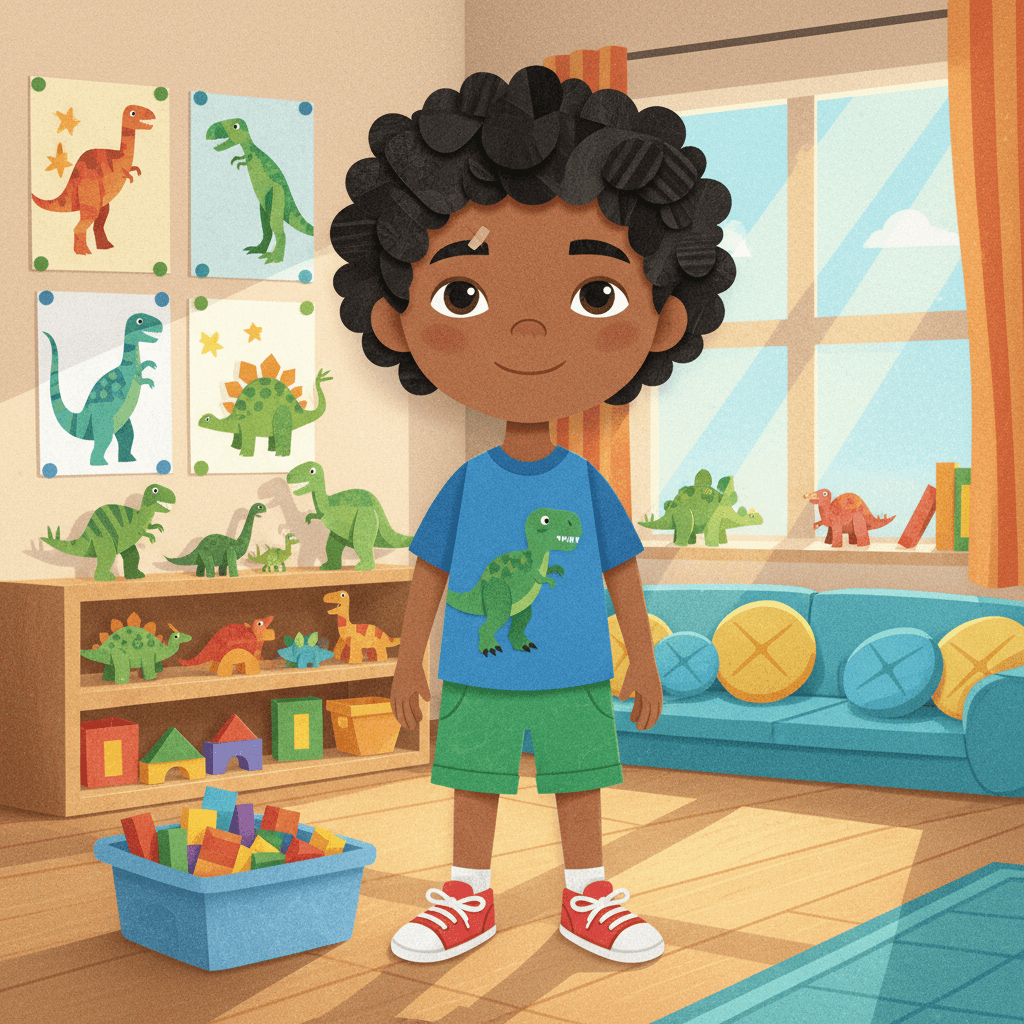
My Body Tells Me Things
Amir learns to recognize big feelings in his body and use simple calming strategies to help himself feel better. This story helps him understand that big feelings are normal and that his body can help him calm down.

Understanding My Emotions at School
Zara learns to recognize and name different feelings she experiences at different times during her school day, from morning arrival through afternoon dismissal. She also learns specific strategies to manage challenging feelings.
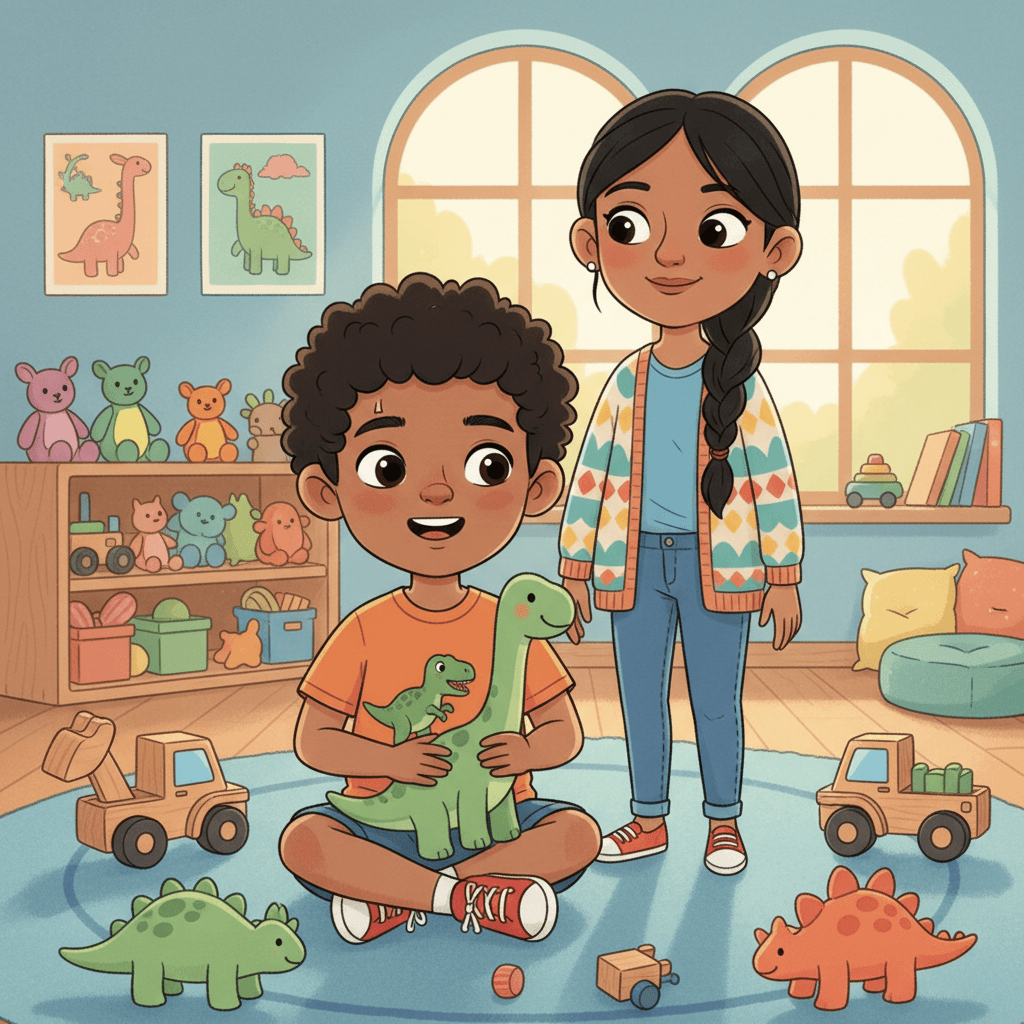
Amir Calms Down When Frustrated
Amir learns specific calming strategies to use when he feels frustrated during playtime. The story shows him practicing breathing, squeezing, and counting techniques that help his body feel calm again.