Asking for Help Shows Strength
Zara learns that asking her teacher for help when she doesn't understand something is brave and smart. Teachers want to help students learn, and asking questions makes her brain stronger.
Free to read and print — no account required




Read the Story
10 pages · 8 min read read
Show text
Read the Story
10 pages · 8 min read read
My name is Zara, and I am in first grade. Sometimes in class, my teacher gives us work to do. Today, my teacher asked us to solve some math problems on our paper. I looked at the first problem and felt confused about what to do.
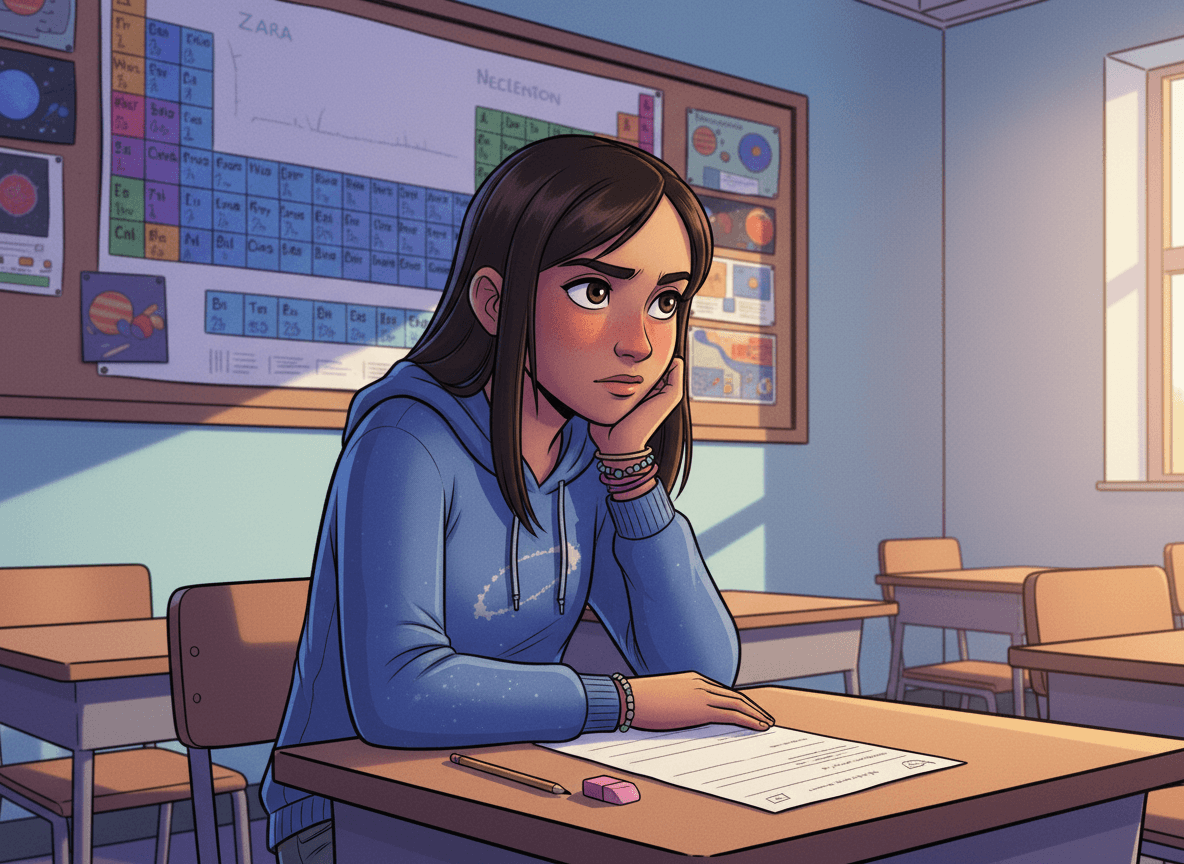
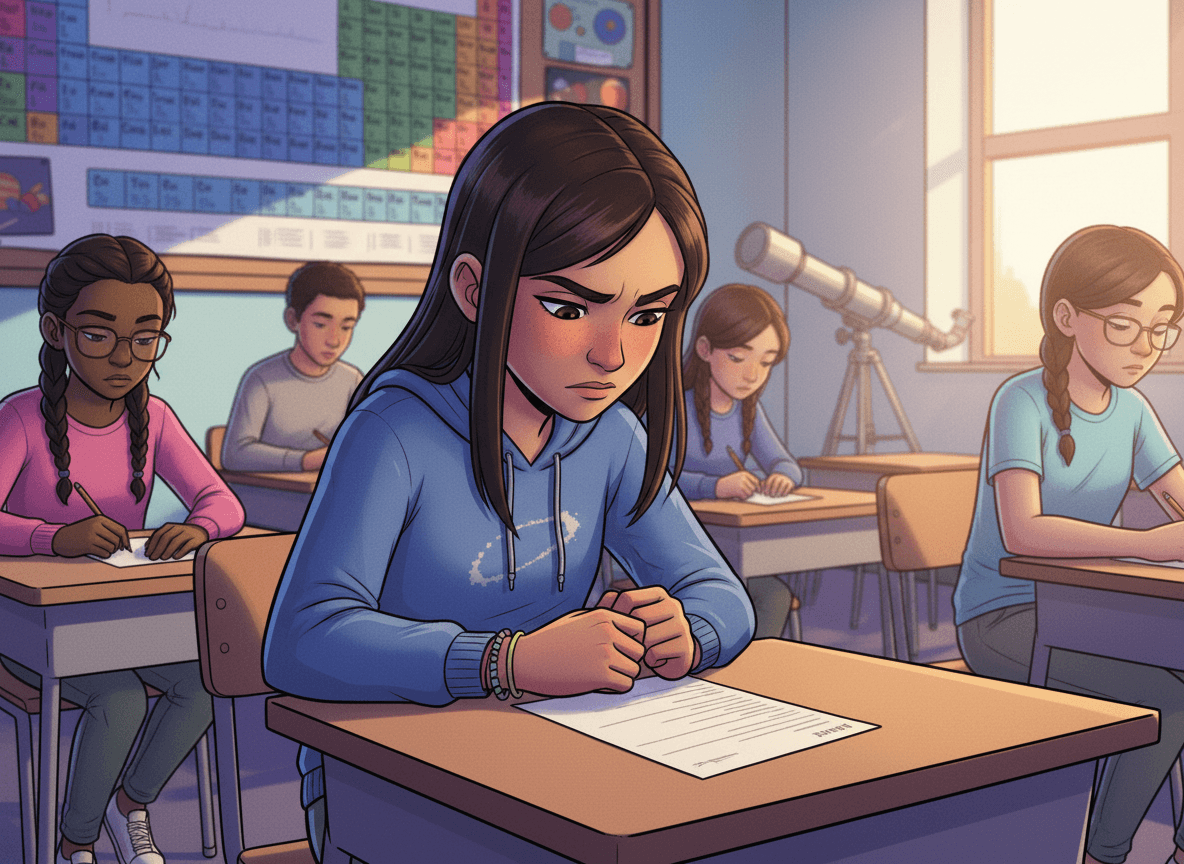
When I don't understand something, I sometimes feel worried. I thought about the problem for a long time, but the answer did not come to my brain. I sat very still and looked at my paper. Other kids around me seemed to know what to do, and I felt like I was the only one who didn't understand.
I had a choice to make. I could stay quiet and keep trying alone, or I could ask my teacher for help. My teacher's name is Ms. Chen, and she sits at the front of the classroom. Ms. Chen wants all her students to learn well because learning new things helps our brains grow stronger. Teachers feel happy when students ask questions because it means they care about understanding.
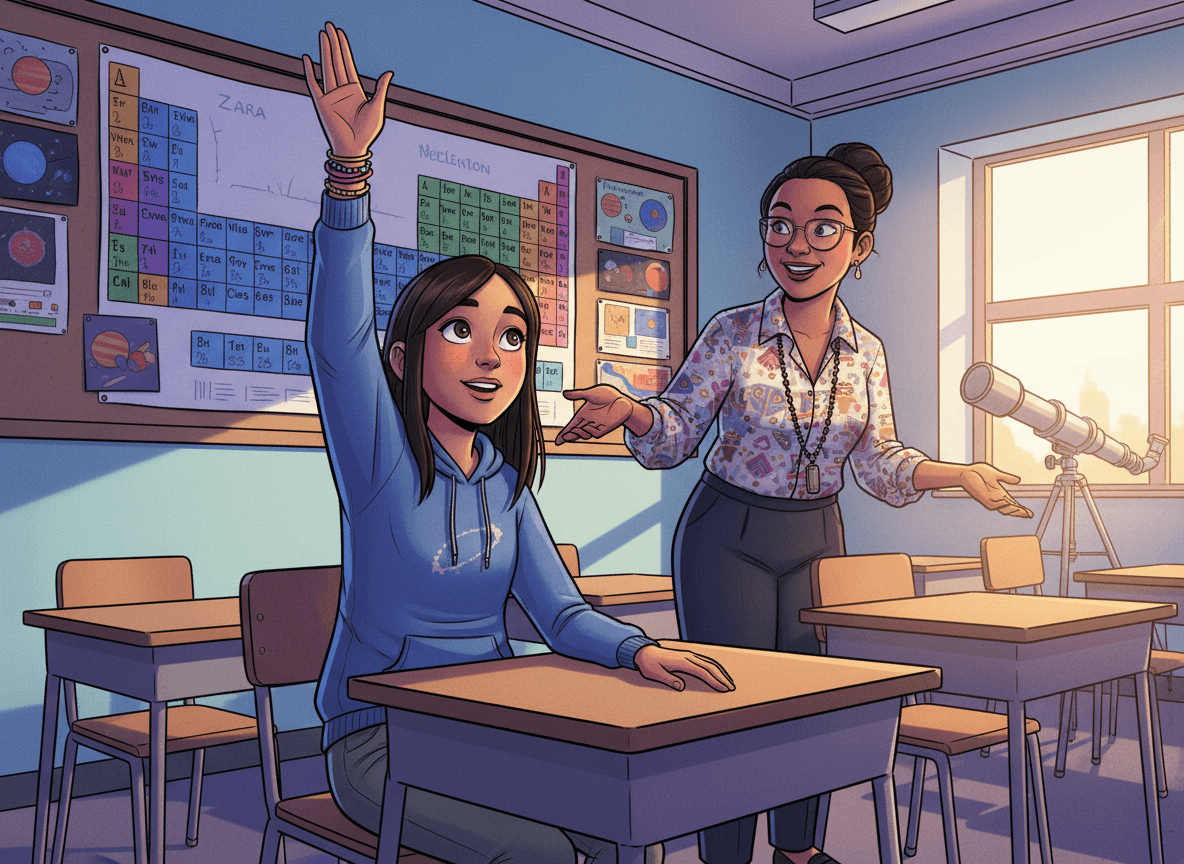
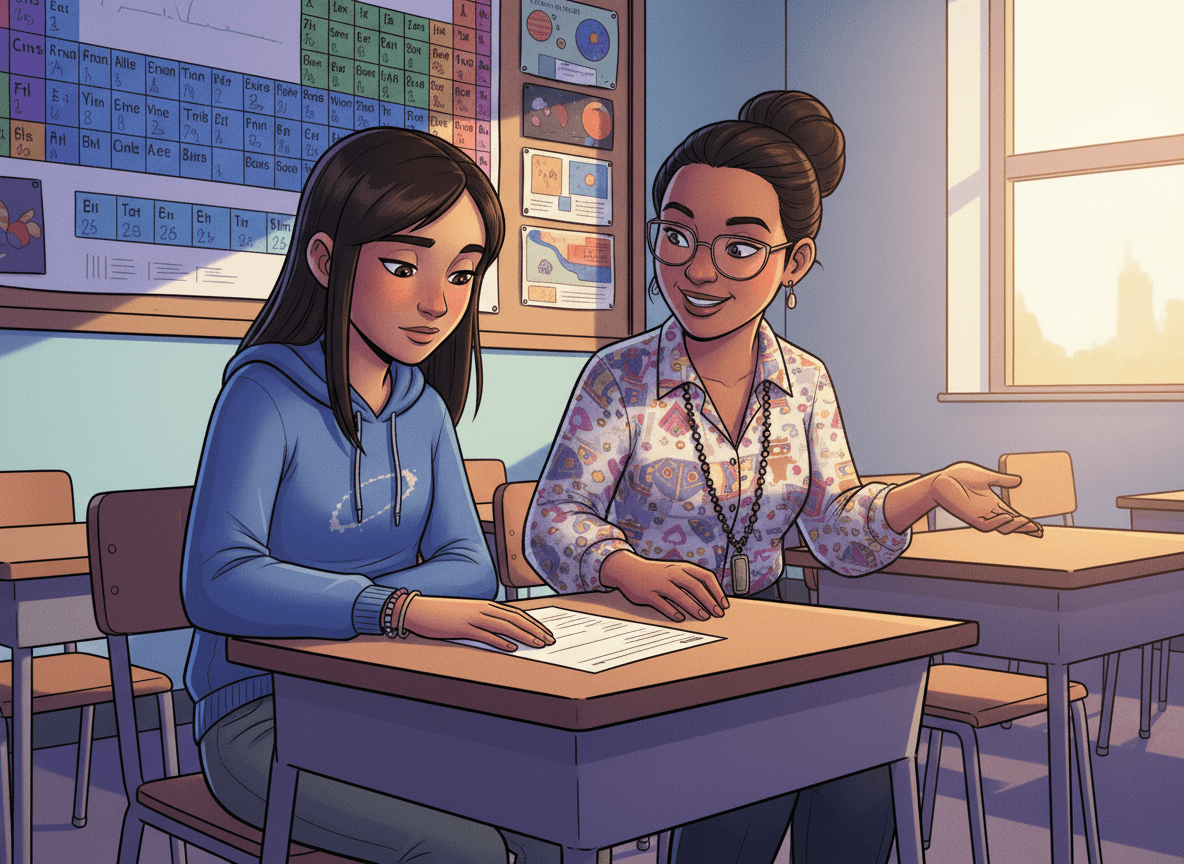
I decided to raise my hand. When I raised my hand, Ms. Chen looked at me and smiled. I said, 'Ms. Chen, I don't understand this problem.' Ms. Chen walked over to my desk and sat down next to me. She did not look upset or disappointed. Instead, she looked ready to help me learn.
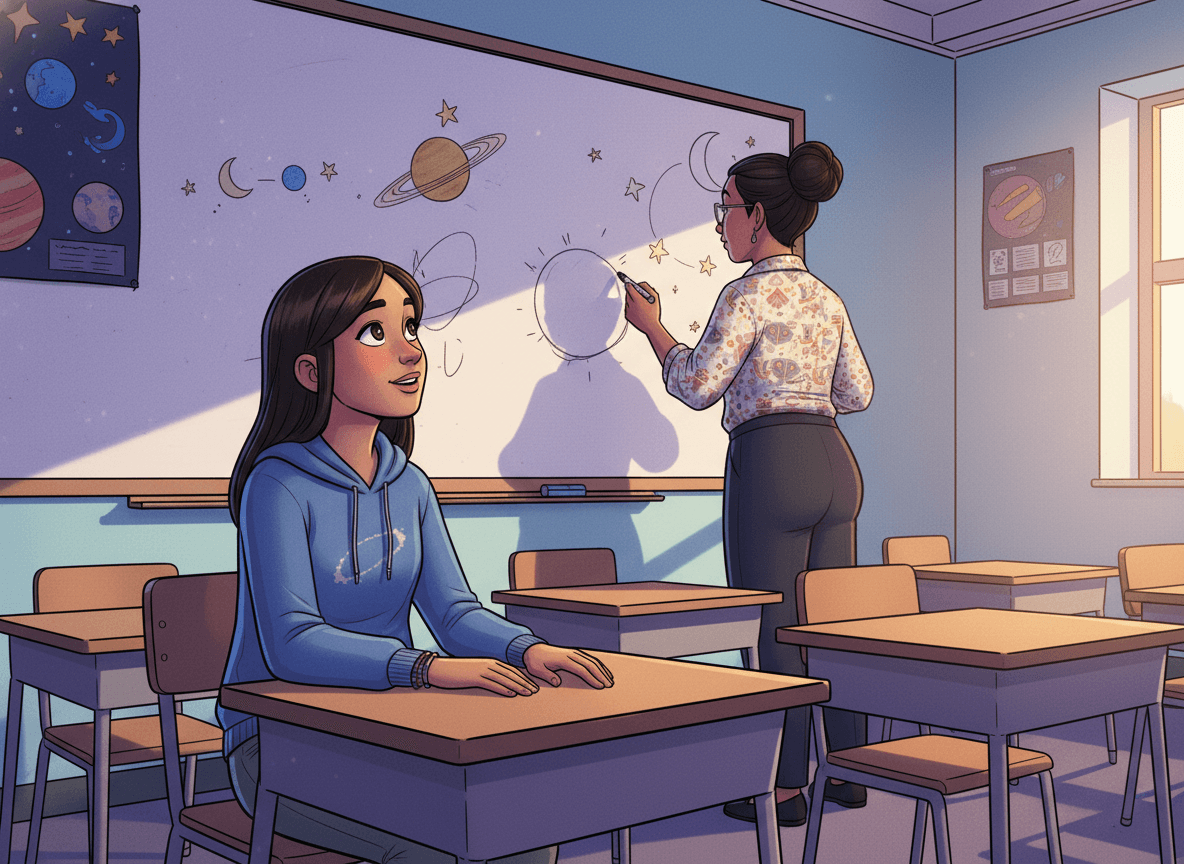
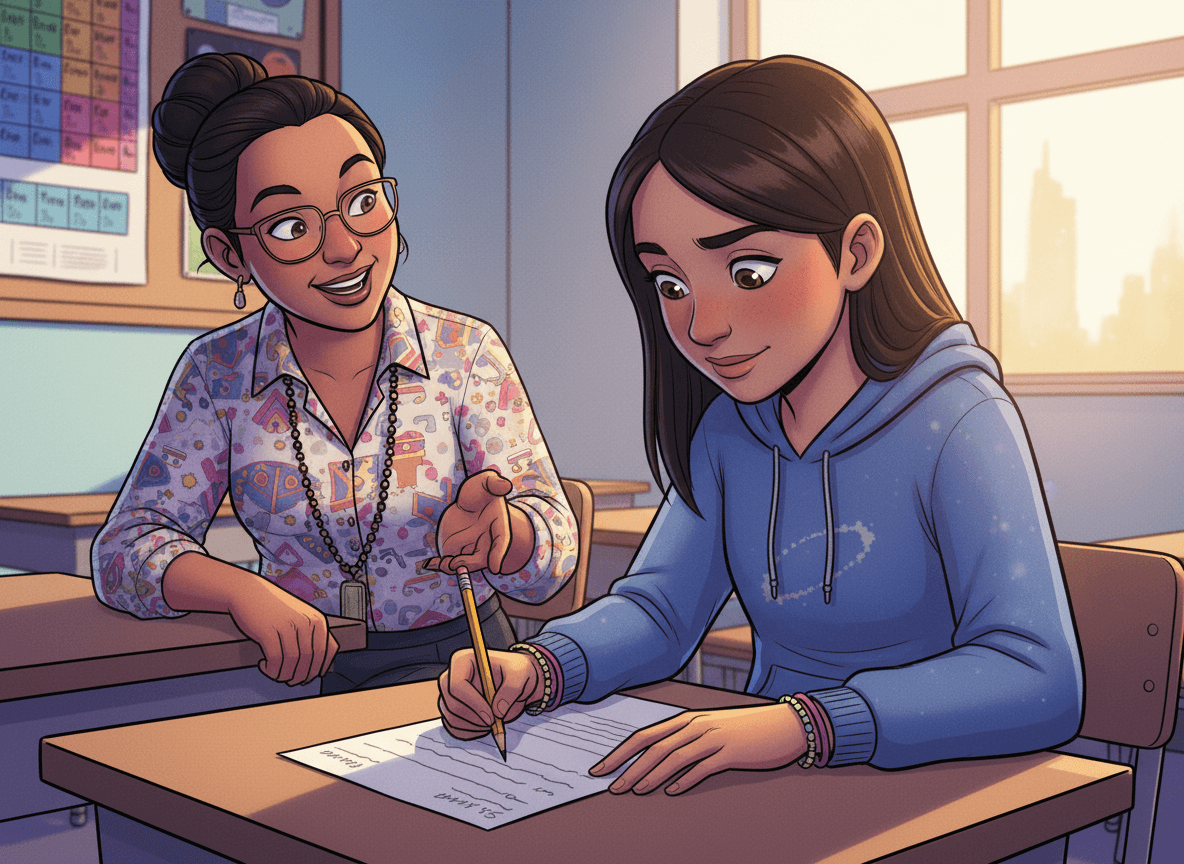
Ms. Chen pointed to the problem and explained it step by step. She used her finger to show me each part. She spoke slowly so my brain could follow along. As she explained, the problem started to make sense to me. I felt my shoulders relax because I finally understood what the problem was asking me to do.
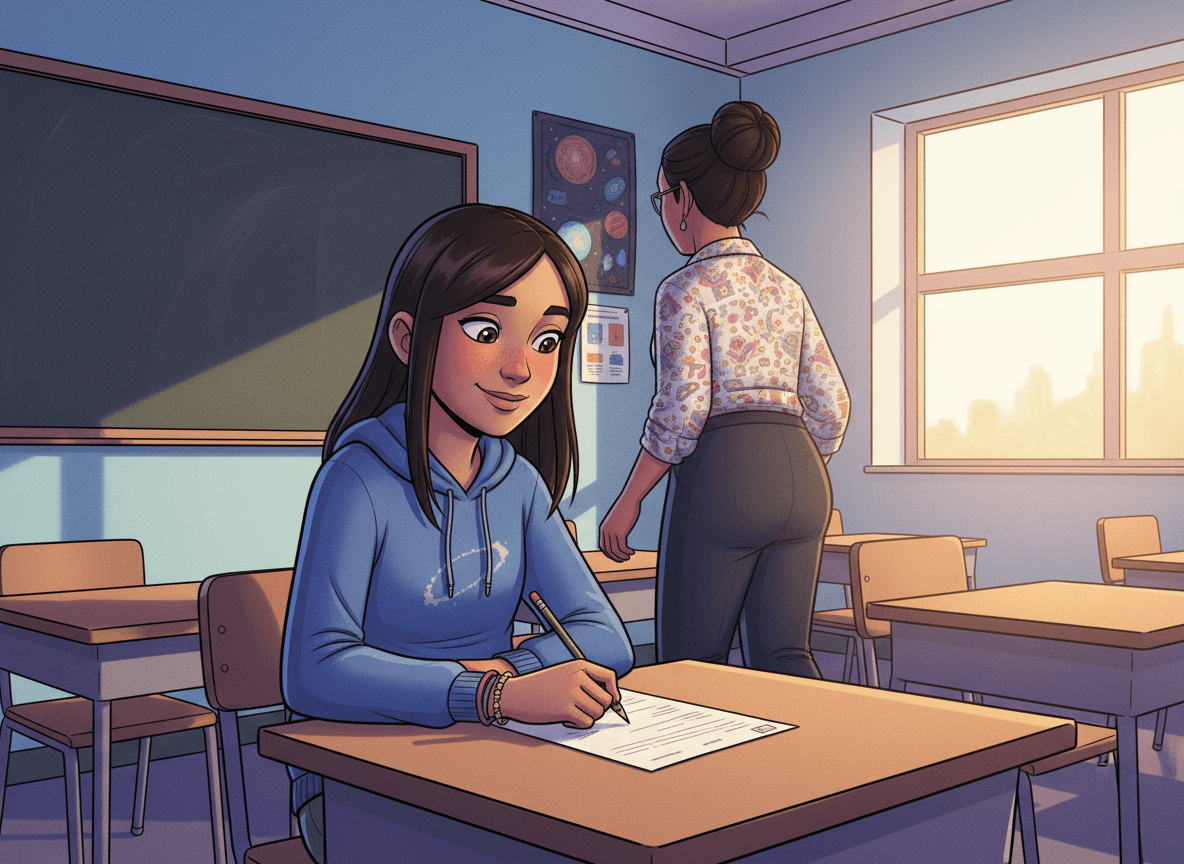
After Ms. Chen explained, I was able to solve the problem by myself. I wrote down the answer and felt proud of my work. Ms. Chen said, 'Great job asking for help, Zara. Asking questions is a sign of strength, not weakness.' I felt warm and happy inside because I learned something new and did it well.
I learned something important that day. Asking for help is brave because it means I am working hard to understand something new. When I ask my teacher for help, my brain learns faster so that I can do the work better next time. Teachers like Ms. Chen want to help students learn because that is their job and they care about us.
If I feel confused or stuck in class, I can raise my hand and ask my teacher. I can say, 'I don't understand,' or 'Can you help me?' or 'Can you explain this again?' When I ask these questions, my teacher will stop what they are doing and listen to me. Asking questions shows that I am thinking about my work and want to do well.
When I feel worried about asking for help, I can take three calm breaths. I breathe in slowly while I count to four, hold my breath while I count to four, and then breathe out slowly while I count to four. After three breaths like this, my body feels calmer and my brain feels ready to raise my hand. This helps me feel brave enough to ask my teacher what I need to know.
Now I know that asking for help is something to be proud of. Every time I ask my teacher a question, I am showing that I want to learn and grow. My teacher is there to help me, and asking questions makes my brain stronger. I am brave when I ask for help, and that helps me do well in school.
Social Story Methodology
Why This Story Works
This story reframes asking for help as a sign of strength rather than failure—a crucial shift for children with anxiety or perfectionist tendencies who often freeze when confused. By following Zara's internal experience (worry, confusion, self-doubt) and showing her teacher's warm, patient response, the story normalizes help-seeking and demonstrates that teachers actually *want* students to ask questions. Carol Gray's methodology shines here through the story's step-by-step narrative of a real classroom moment, which gives children a concrete mental script they can replay when facing their own moments of uncertainty.
Story Structure
How It's Written
Sentence Types
Voice & Perspective
Story Structure
Practical Guidance
Ways to Use This Story
Practice the exact phrases
Use the breathing exercise together
Share Ms. Chen's perspective with their teacher
Notice and name moments when they ask
Revisit the story when anxiety spikes
Want this story made just for your child?
Create a version with your child's name, appearance, and the specific details only they face — in minutes.
from $2.99 · no subscription · pay per story
More School Stories
Free to read and print

Playing at Recess
Aisha joins her classmates on the playground during recess, learning how to play together, take turns, and have fun with friends.
Eating Lunch in the Cafeteria
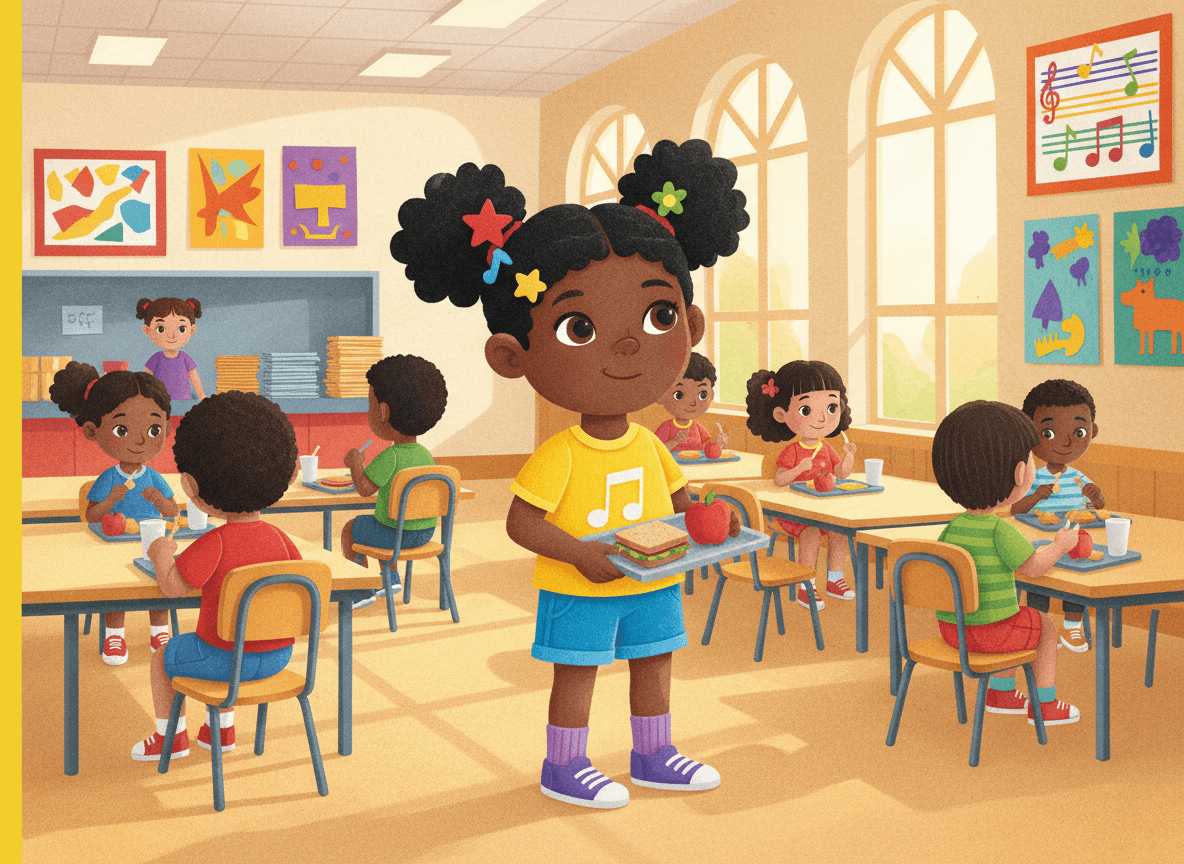
Amara navigates lunchtime in the school cafeteria, learning about the routine, managing sensory experiences, and discovering she can enjoy her meal with friends and classmates.
Fire Drill at School
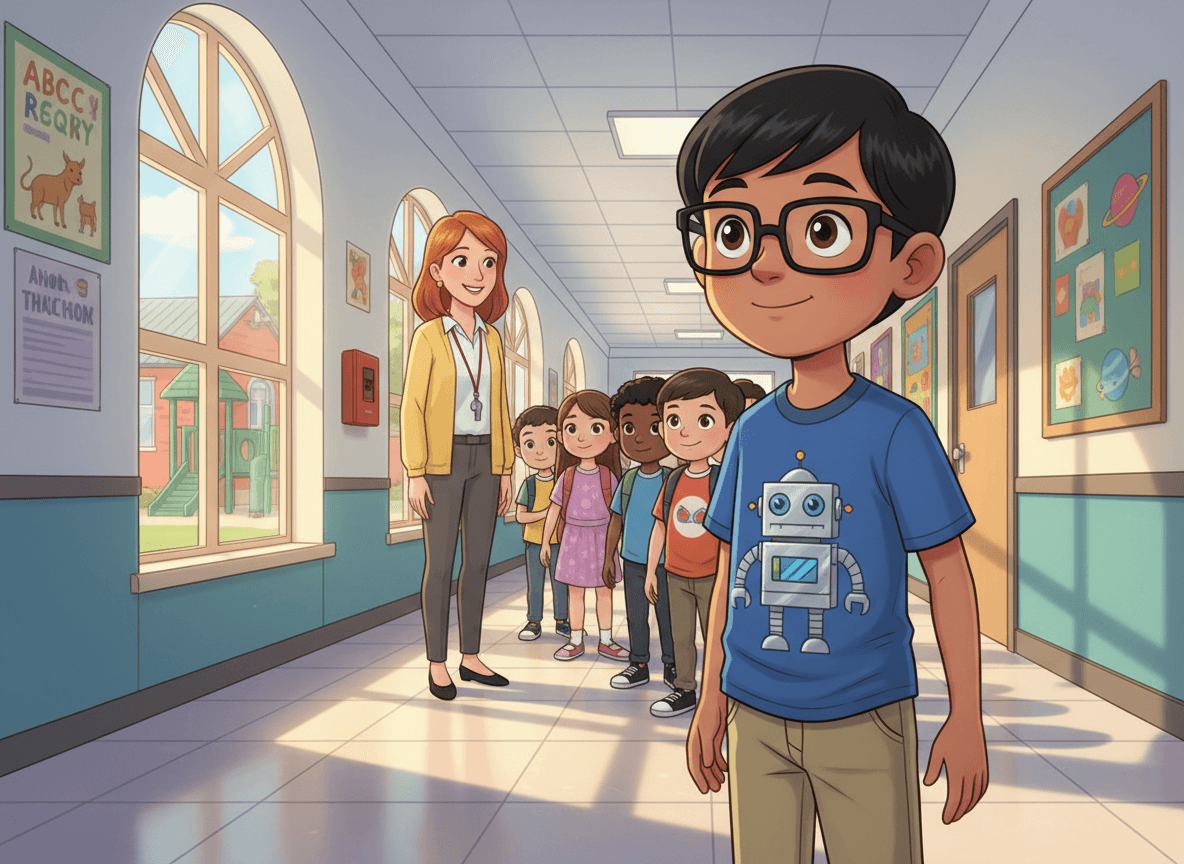
Rohan learns what happens during a fire drill at school, understanding the steps and why they're important for keeping everyone safe.