Fire Drill at School
Rohan learns what happens during a fire drill at school, understanding the steps and why they're important for keeping everyone safe.
Free to read and print — no account required
Read the Story
9 pages · 7 min read read
Show text
Read the Story
9 pages · 7 min read read
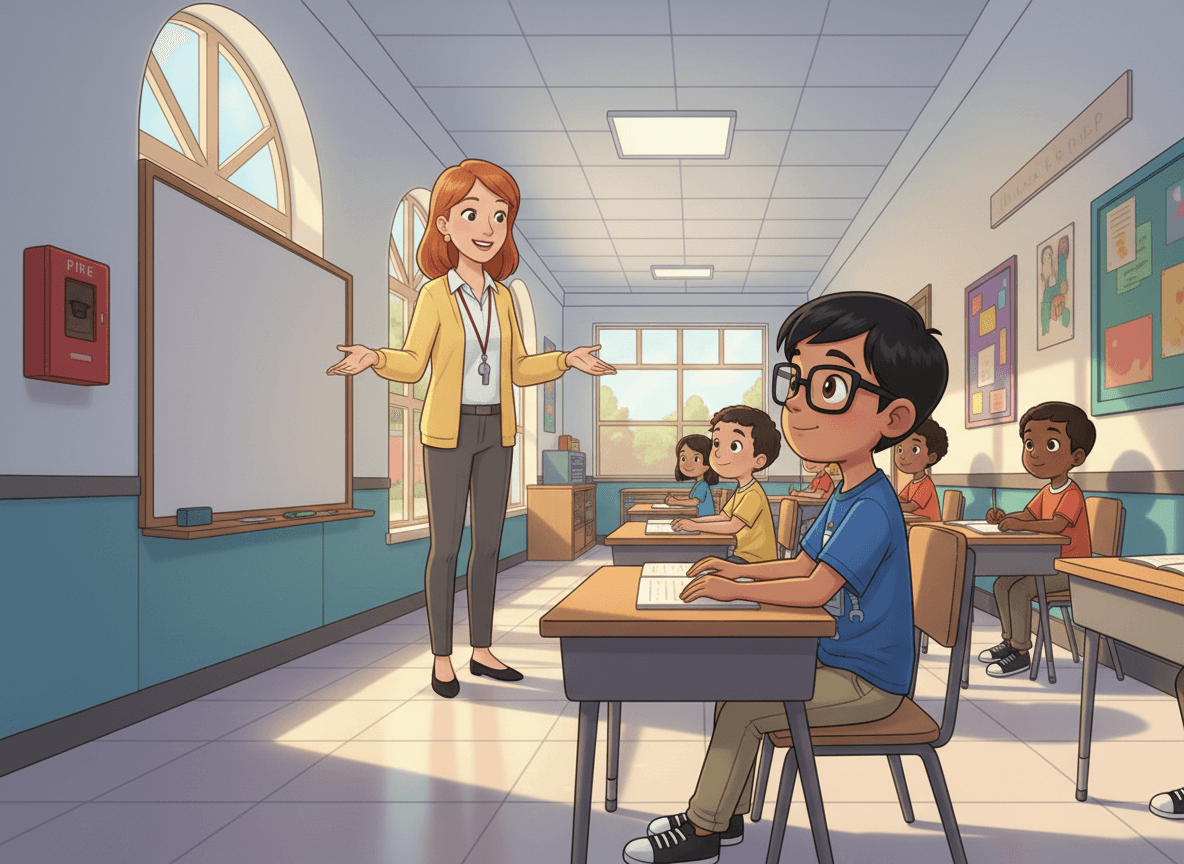
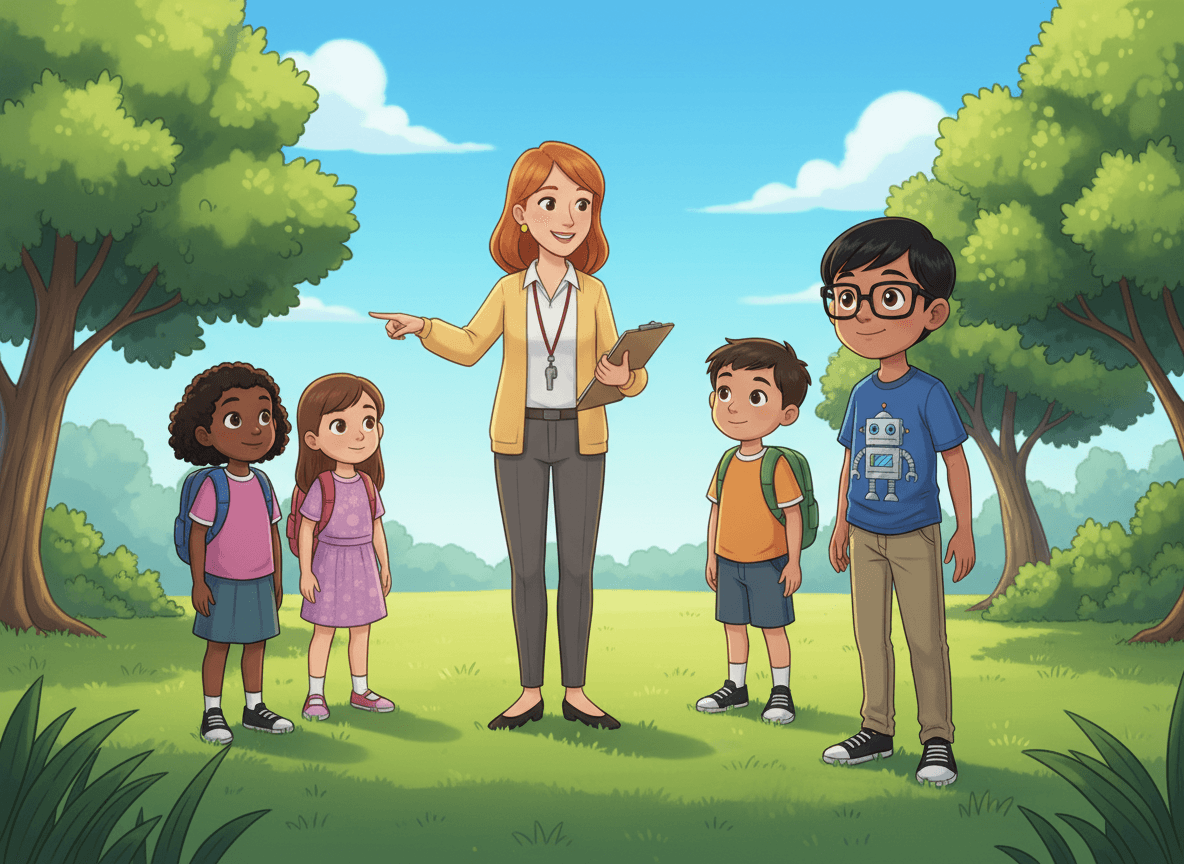
My name is Rohan, and I am in second grade at Lincoln Elementary School. Today, Ms. O'Brien told our class that we were going to have a fire drill. I had never done a fire drill before, and I wondered what it would be like.
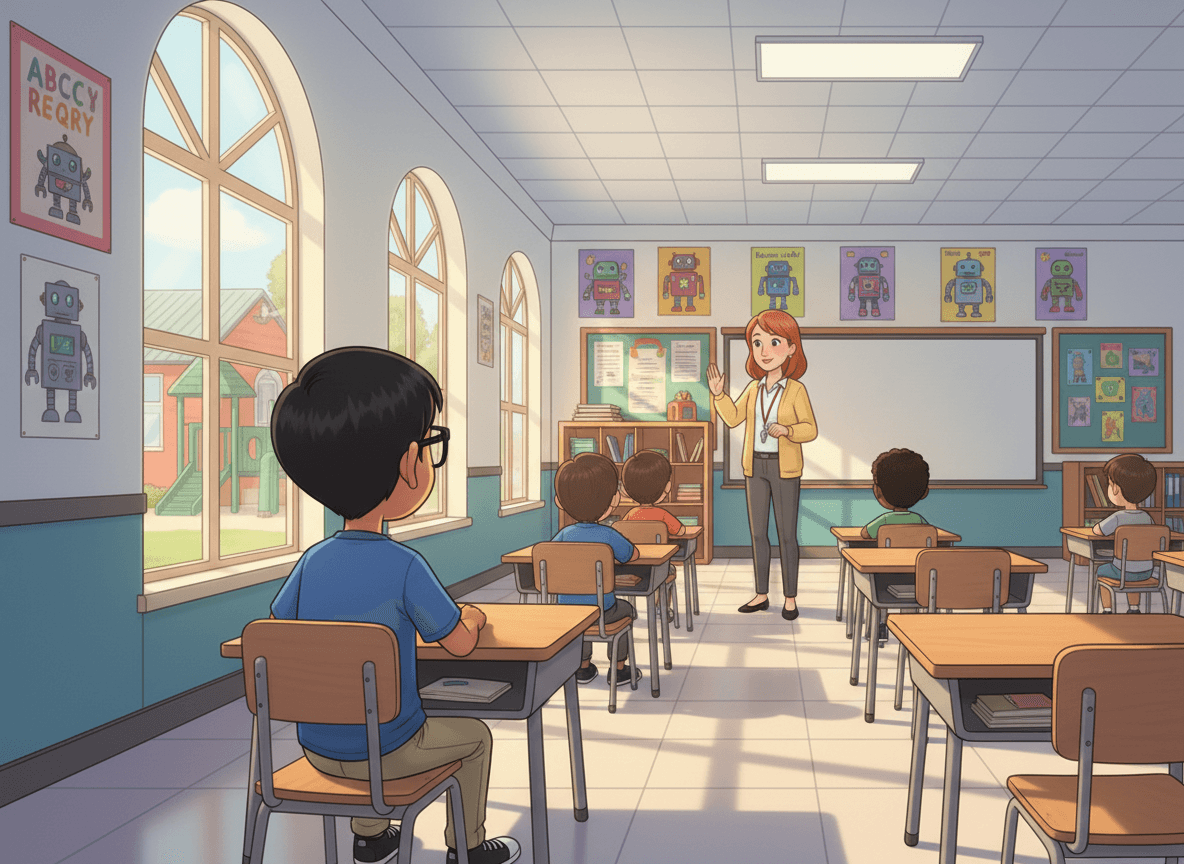
Ms. O'Brien explained that a fire drill is a practice to keep us safe. She said that during a fire drill, a loud alarm will ring because it tells everyone in the building that we need to practice leaving the school quickly. The alarm sound helps us remember to move fast and stay calm.
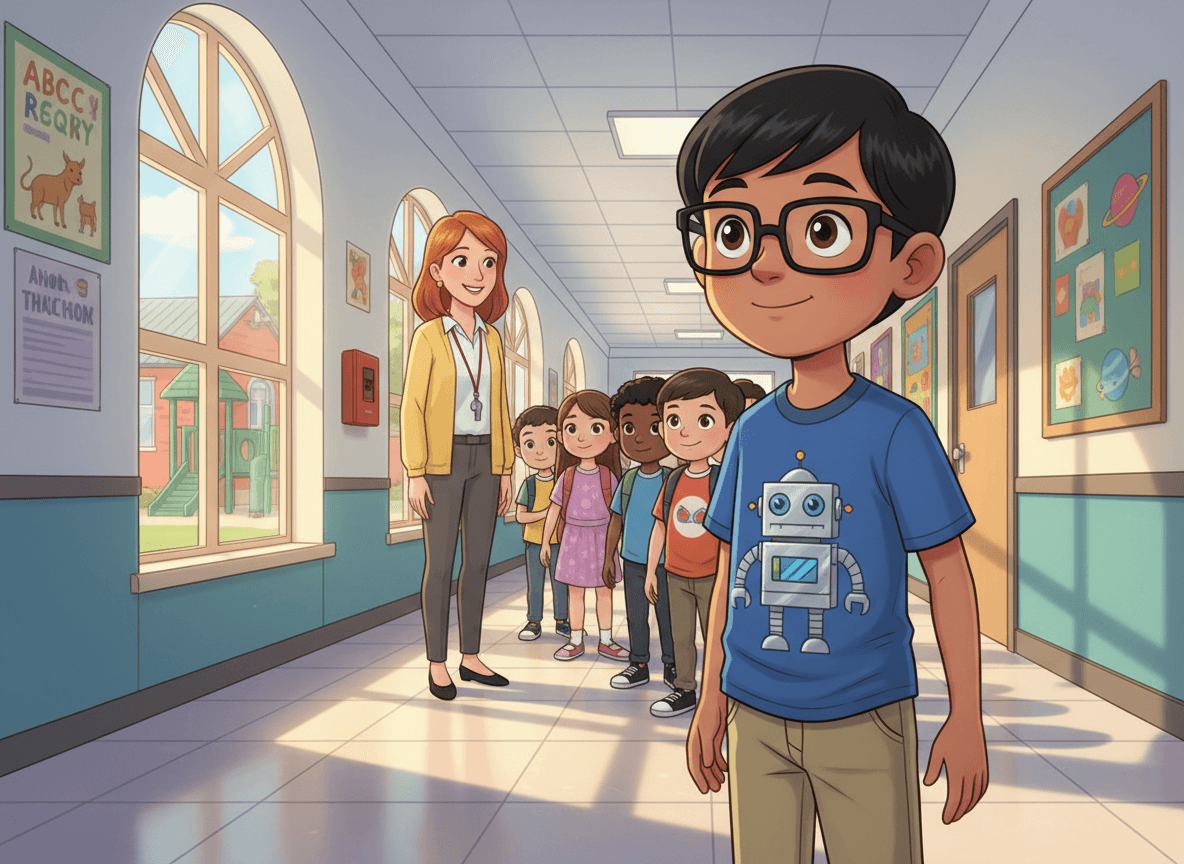
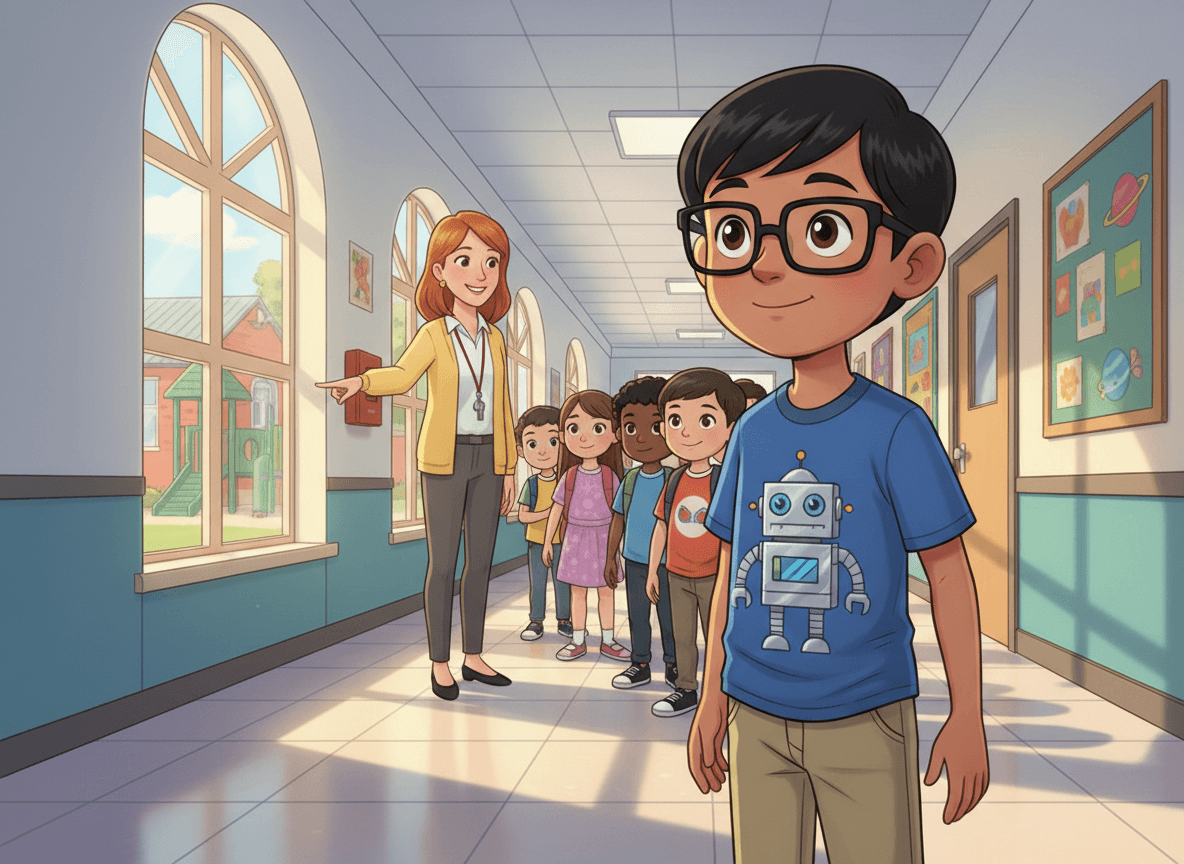
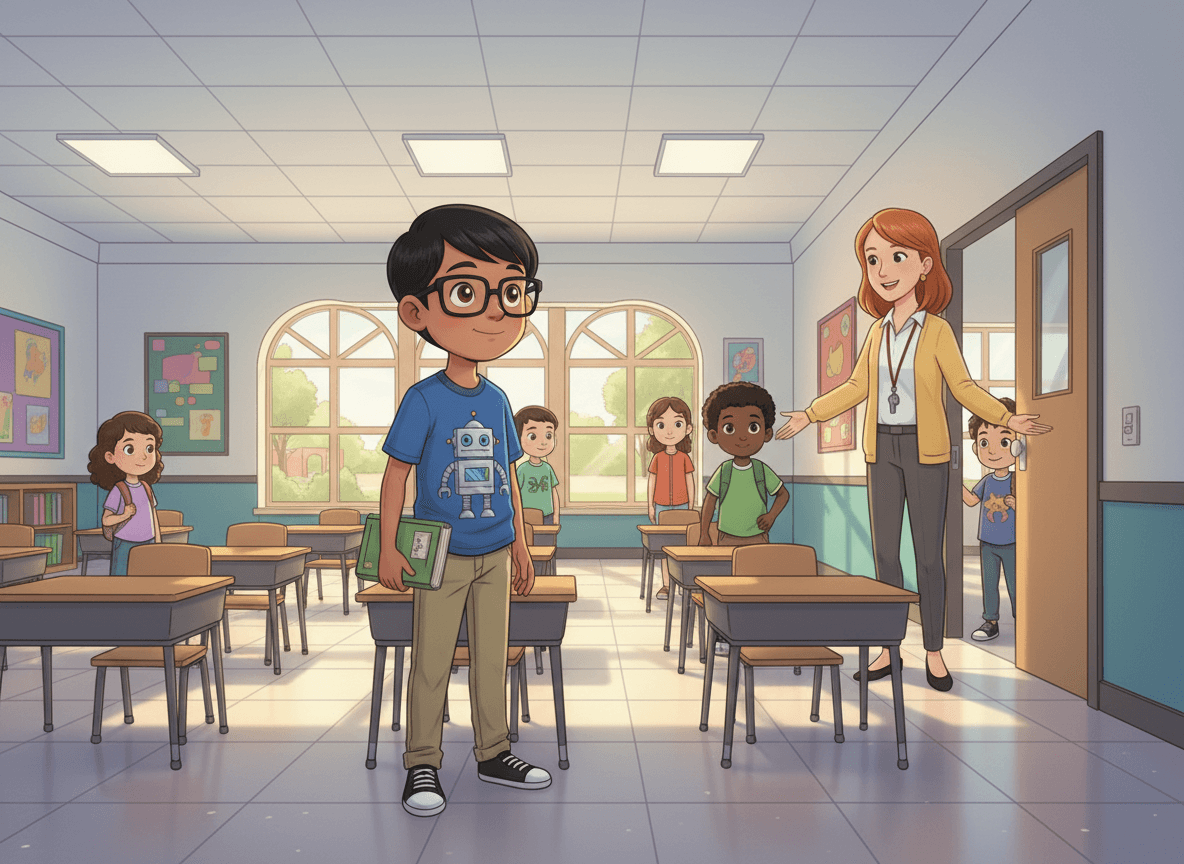
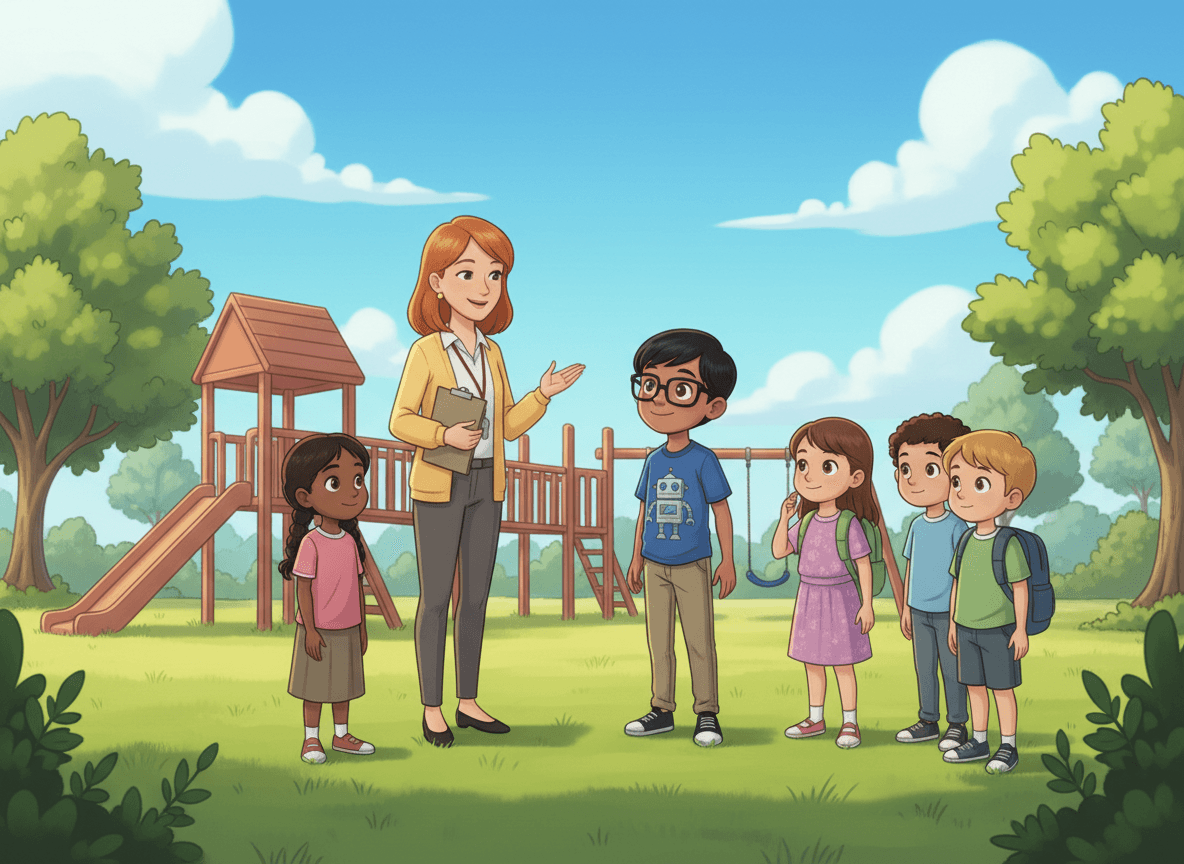
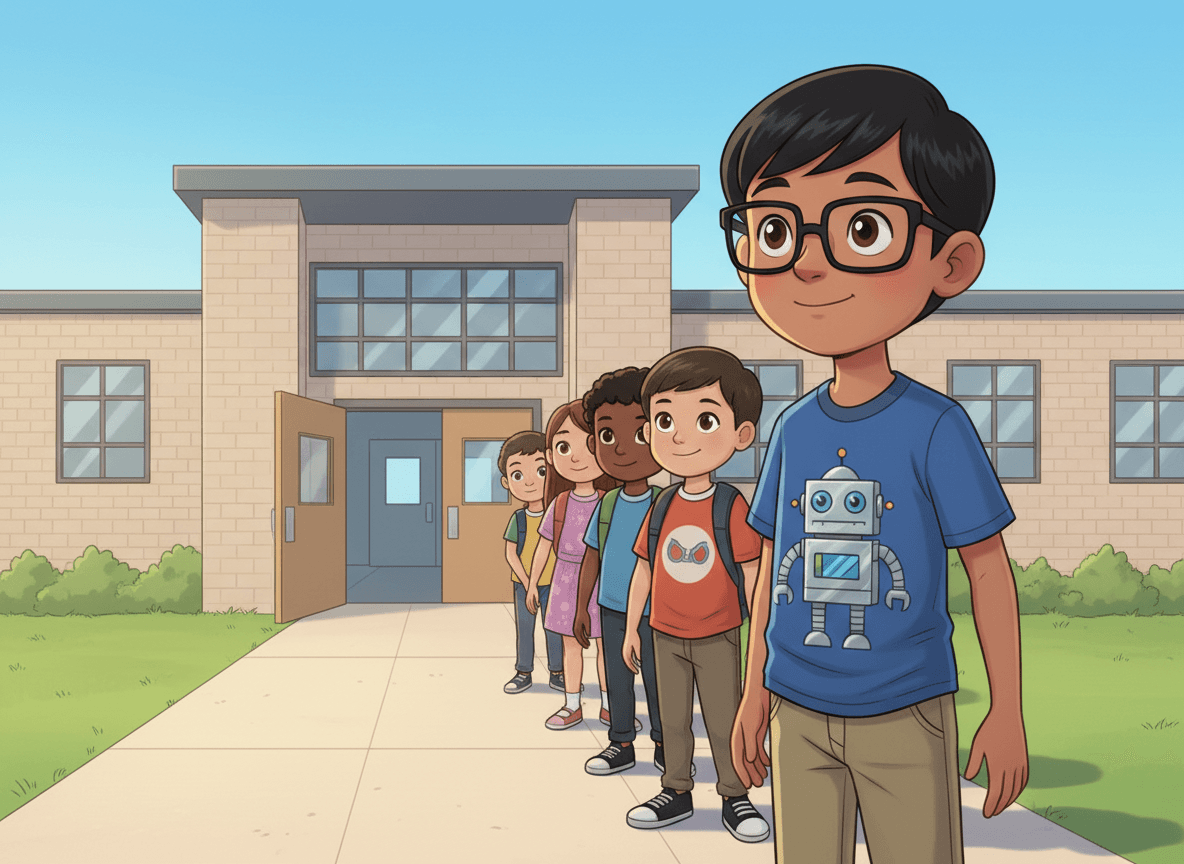
Ms. O'Brien said that when the alarm rings, everyone will line up at the door. We will walk together down the hallway and out to the playground because the playground is a safe place far away from the building. Walking together in a line helps us all stay together and makes sure nobody gets lost.
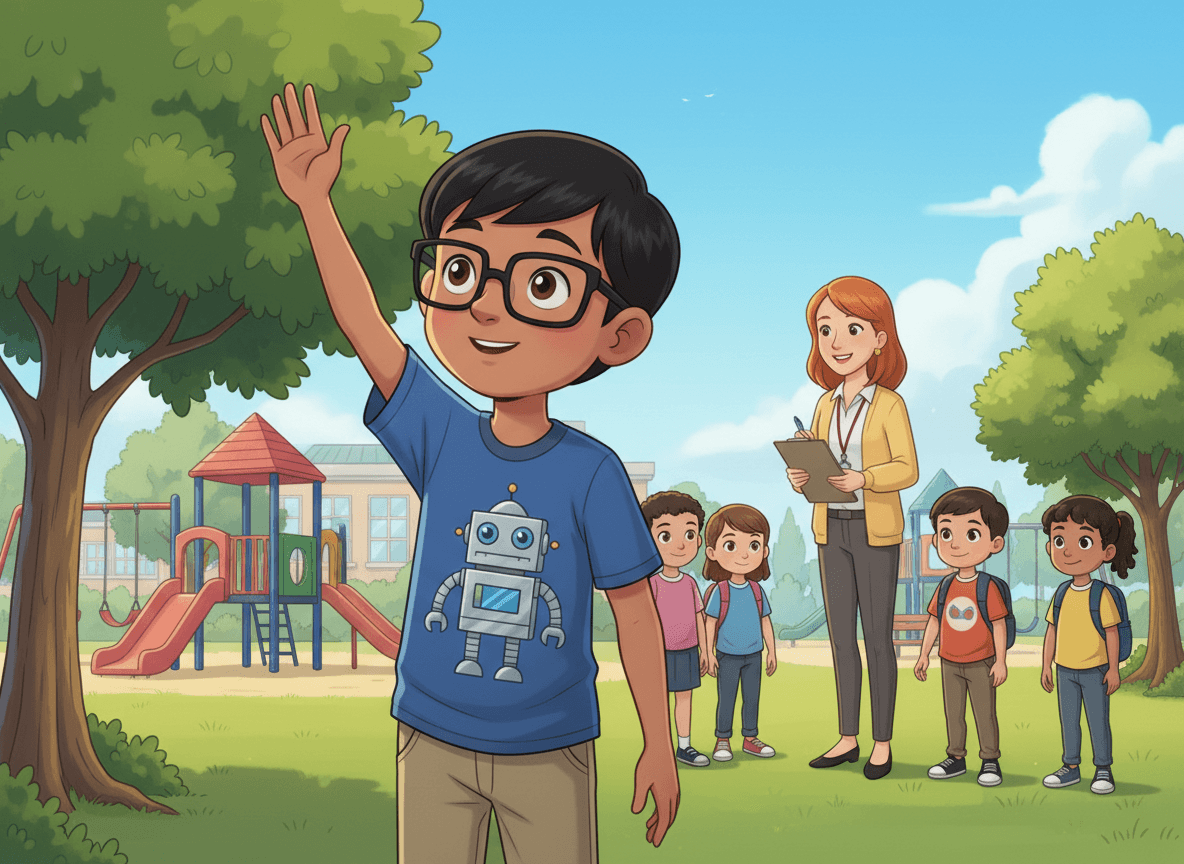
Then Ms. O'Brien told us what would happen on the playground. We would stand in a group with our class while Ms. O'Brien checks to make sure everyone is there. The teachers count all the children because they need to know that everyone is safe and accounted for.
I asked Ms. O'Brien what happens after the count. She said that when everyone is accounted for, we will hear another signal. The signal tells us it is safe to go back inside the building. Walking back inside means the practice drill is finished.
The next morning, the fire drill alarm suddenly rang. It was loud, but I remembered what Ms. O'Brien had told us. I knew the loud sound was the signal to practice leaving safely. I stood up and walked with my class to line up at the door.
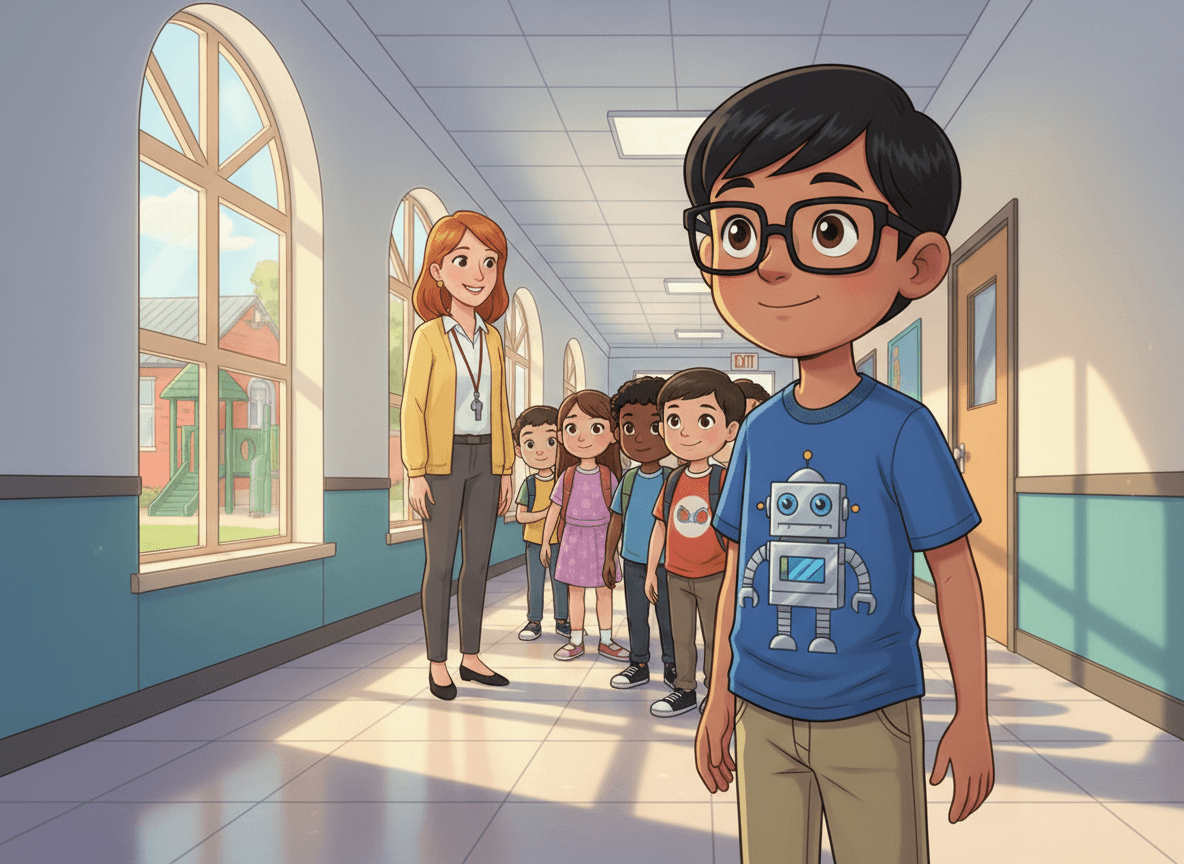
We walked down the hallway in a quiet line. My hands felt calm because I knew exactly what was happening and what would come next. Walking in a line helps everyone move safely and quickly out of the building.
We walked out to the playground and stood in our class group. Ms. O'Brien looked at her clipboard and counted everyone. When she finished counting, she nodded at me and smiled. I knew everyone was safe and accounted for.
Then we heard the all-clear signal. It meant the fire drill practice was done and it was time to go back inside. I walked back with my class, feeling proud that I had done everything correctly. Fire drills help keep us safe at school.
Social Story Methodology
Why This Story Works
Fire drills combine sudden sensory input (a loud alarm), unexpected transitions, and the need to follow multi-step instructions in a group setting—all common anxiety triggers for children with autism and ADHD. By reading this story before the drill happens, Rohan learns the exact sequence of events and gains a sense of predictability and control, which aligns perfectly with Carol Gray's principle that social stories reduce anxiety by making the invisible social world visible and manageable.
Story Structure
How It's Written
Sentence Types
Voice & Perspective
Story Structure
Practical Guidance
Ways to Use This Story
Play the Alarm Sound at Home First
Walk the Actual Route with Your Child
Read the Story Multiple Times Before the Drill
Ask Rohan's Questions Out Loud
Celebrate Staying Calm During the Real Drill
Want this story made just for your child?
Create a version with your child's name, appearance, and the specific details only they face — in minutes.
from $2.99 · no subscription · pay per story
More School Stories
Free to read and print
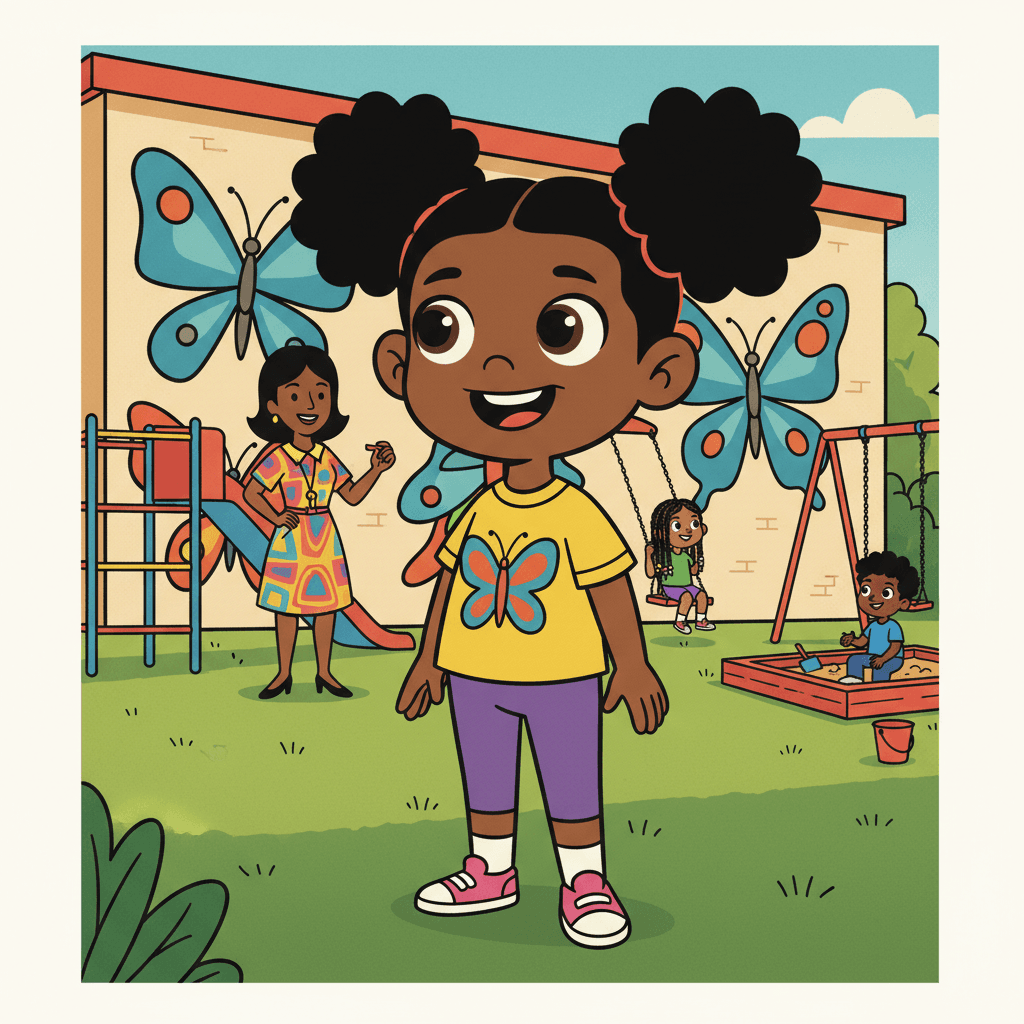
Playing at Recess
Aisha joins her classmates on the playground during recess, learning how to play together, take turns, and have fun with friends.
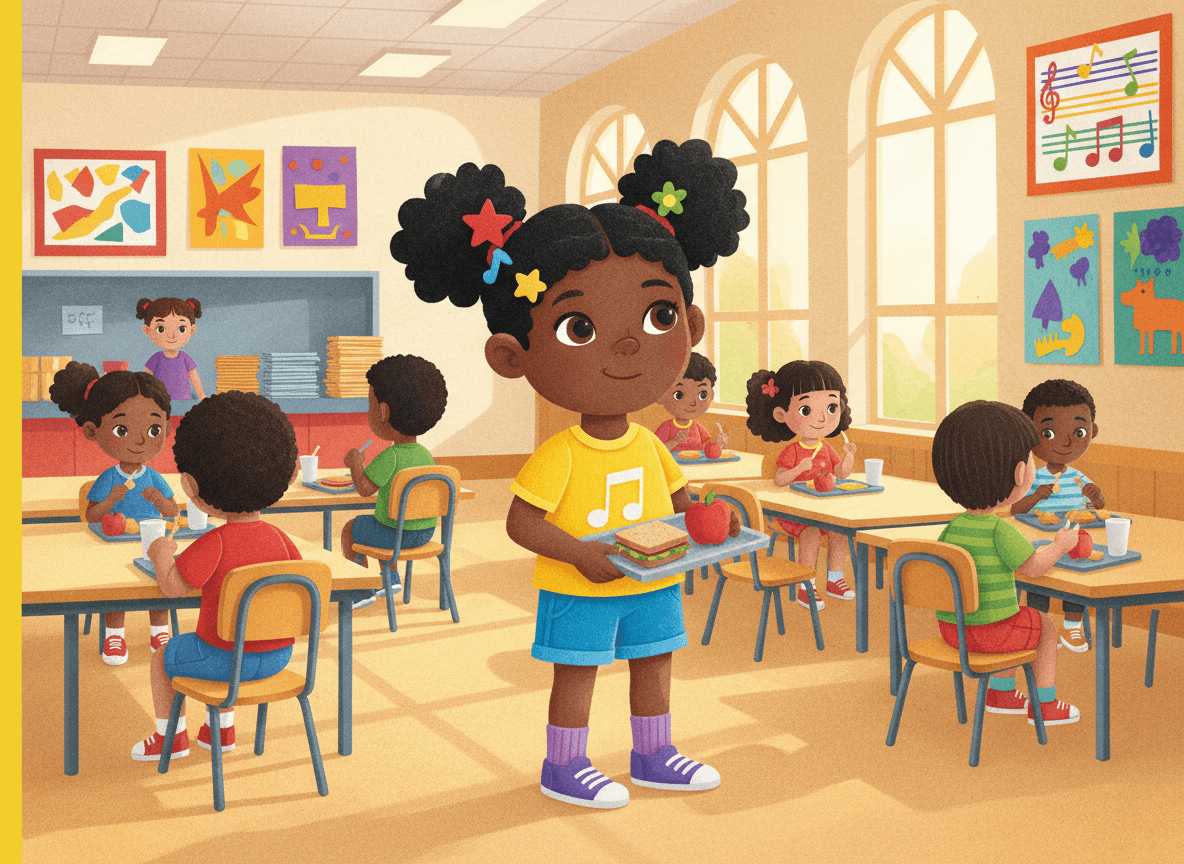
Eating Lunch in the Cafeteria
Amara navigates lunchtime in the school cafeteria, learning about the routine, managing sensory experiences, and discovering she can enjoy her meal with friends and classmates.
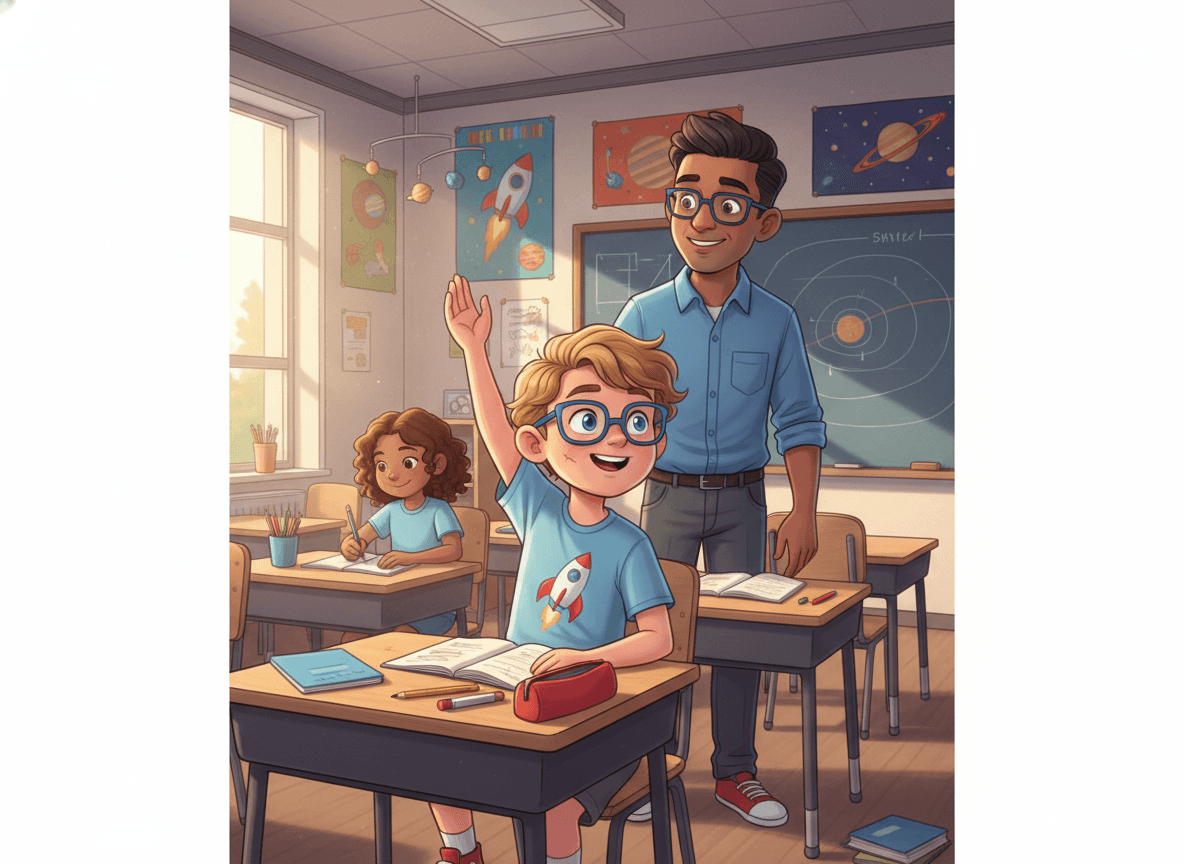
Asking Mr. Patel for Help
Liam learns that asking for help when he doesn't understand his classwork is a smart strategy that helps him learn better. This story shows how to recognize confusion, use a coping strategy to manage frustration, raise his hand, and talk to his teacher.