When My Friend Needs Help
Kai learns to recognize when a friend is sad and discovers simple, meaningful ways to offer support. This story helps develop empathy and practical friendship skills.
Free to read and print — no account required
Want this story in your inbox?
We’ll email you the link so you can read and print it whenever you need it. Free, and no account required.
One email with your story. We won’t pass your address on, and you can unsubscribe any time.


Read the Story
12 pages · 9 min read read
Show text
Read the Story
12 pages · 9 min read read
My name is Kai, and I have a really good friend named Jordan. We've known each other since third grade. Jordan likes the same video games I do, and we sometimes talk about the coolest levels and characters. I enjoy spending time with Jordan at lunch and at recess.
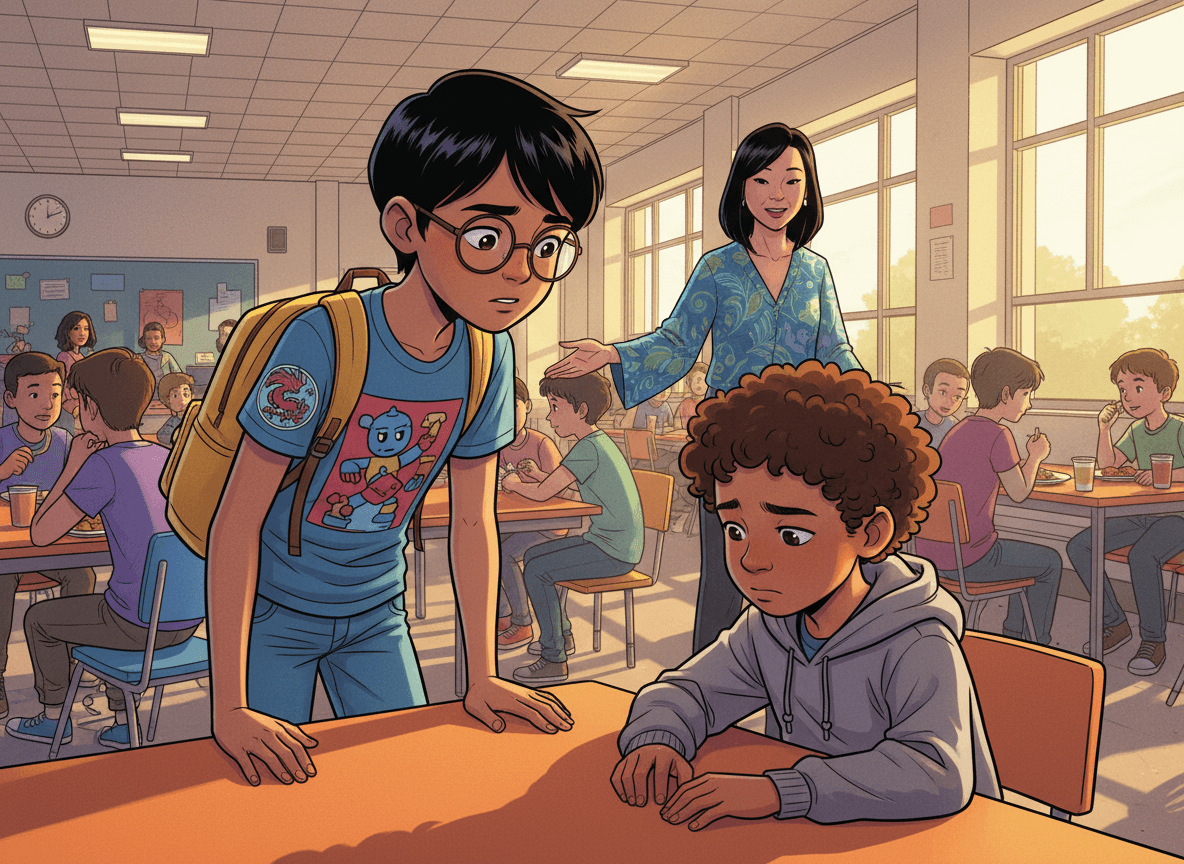
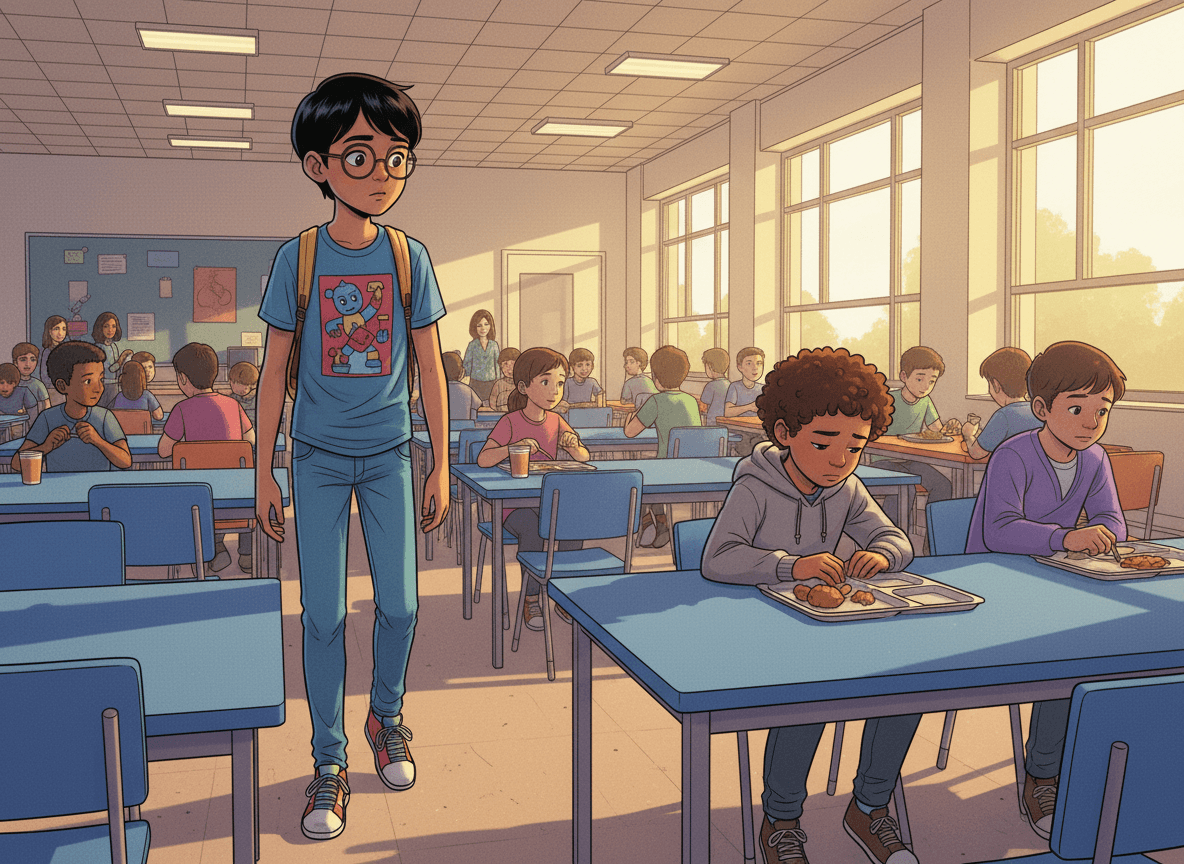
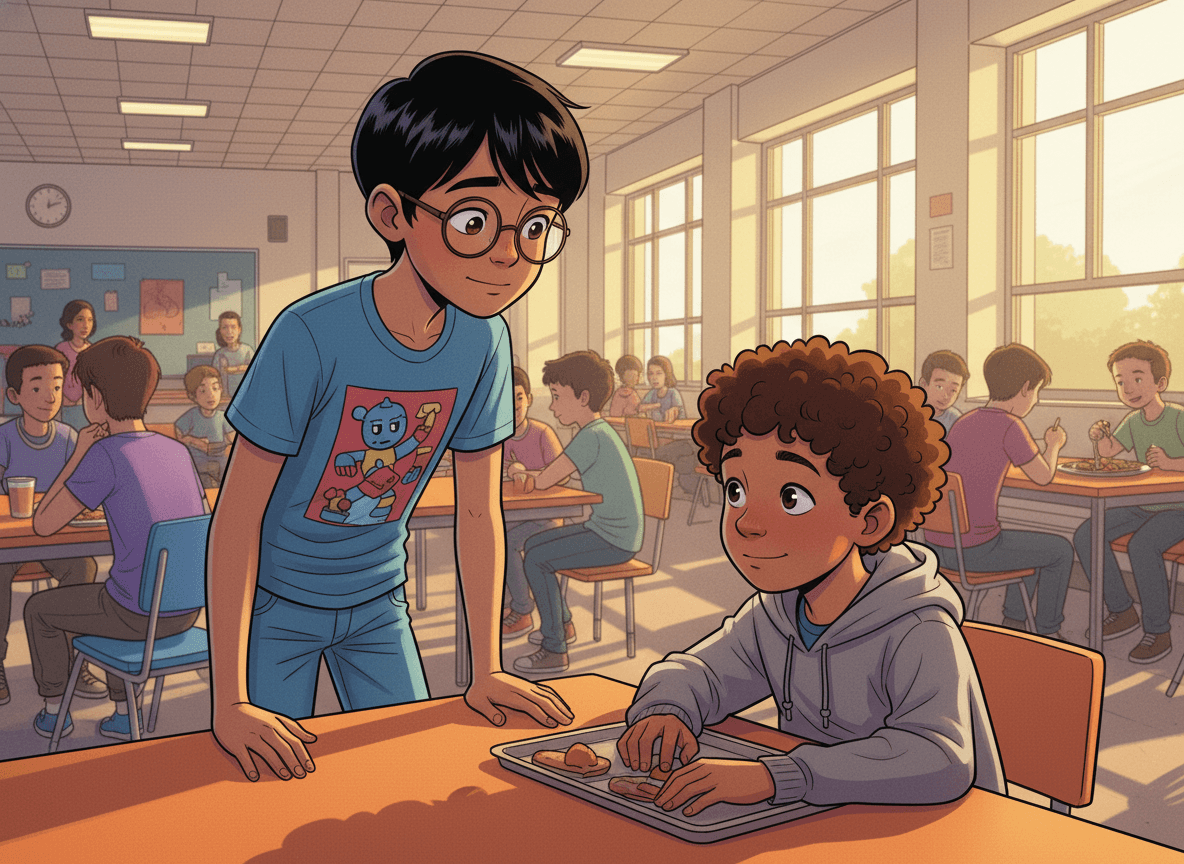
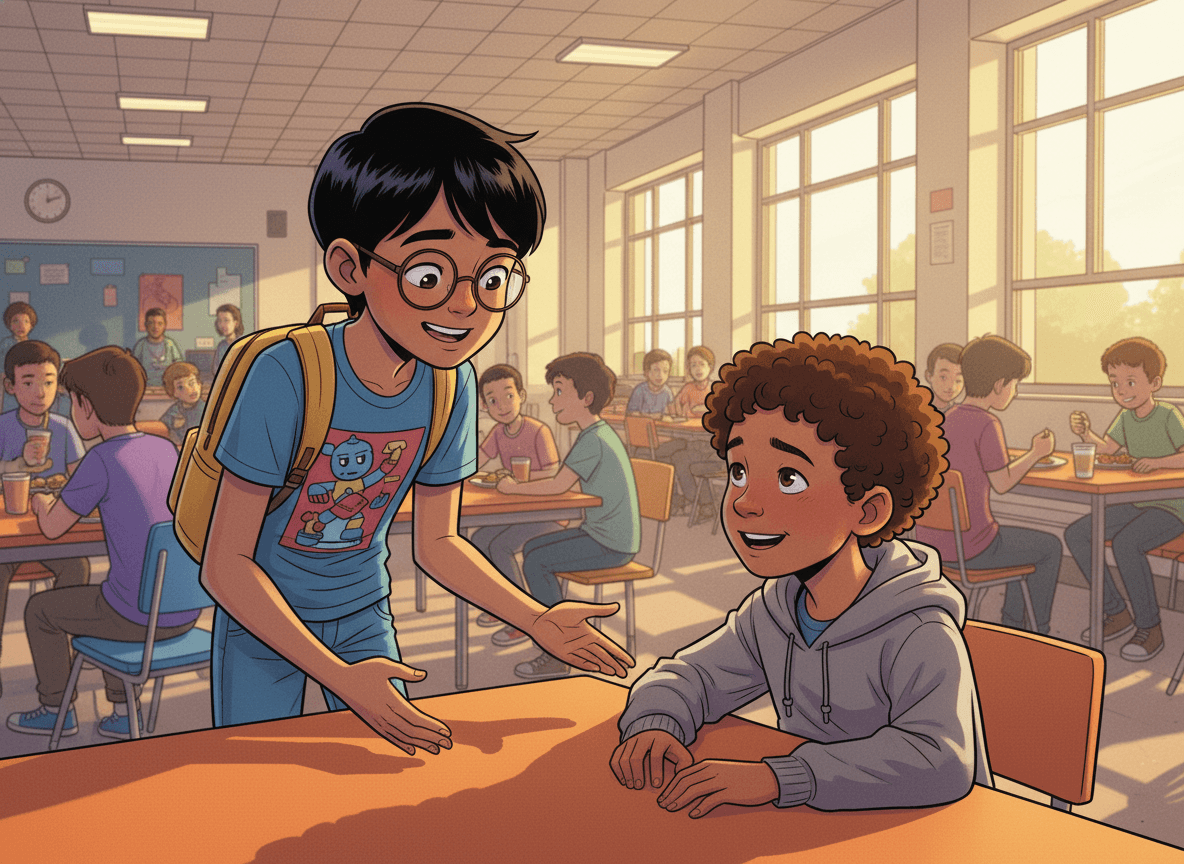
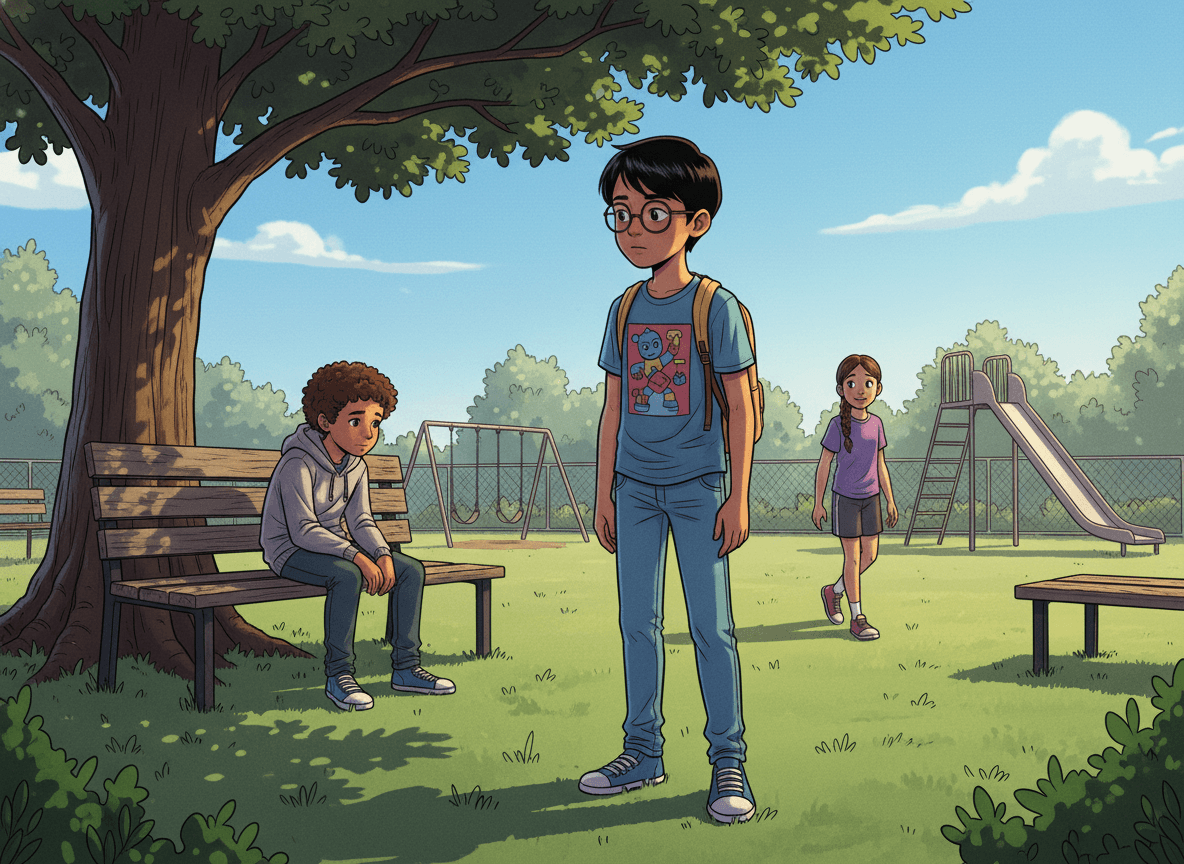
One day at lunch, I noticed something different about Jordan. My friend was sitting alone at our usual table, looking down at their food. Jordan wasn't talking or joking like usual. I wondered what was going on.
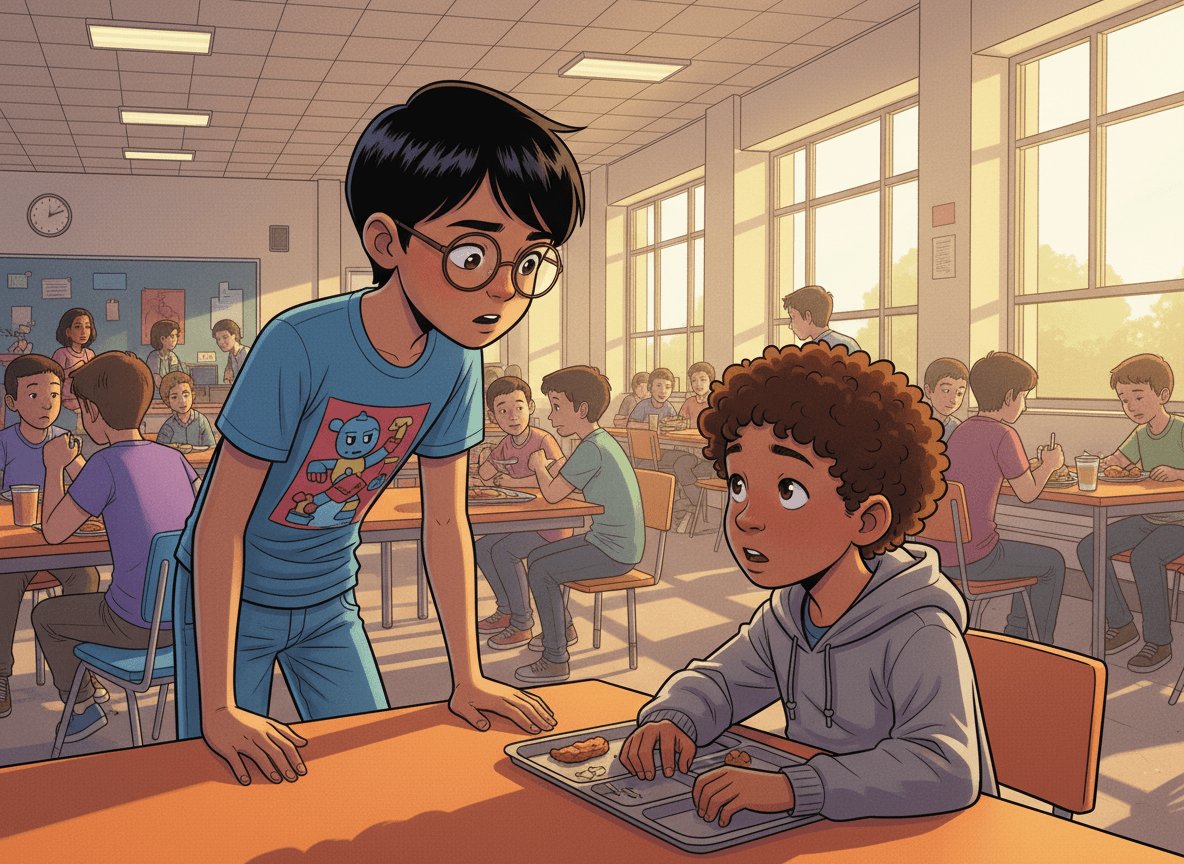
I realized that something might be bothering Jordan. When someone sits alone and doesn't talk much, it can mean they're feeling sad or worried. I've felt this way before too—when things aren't going well, I don't always feel like talking or being around other people. Jordan might be feeling something similar right now.
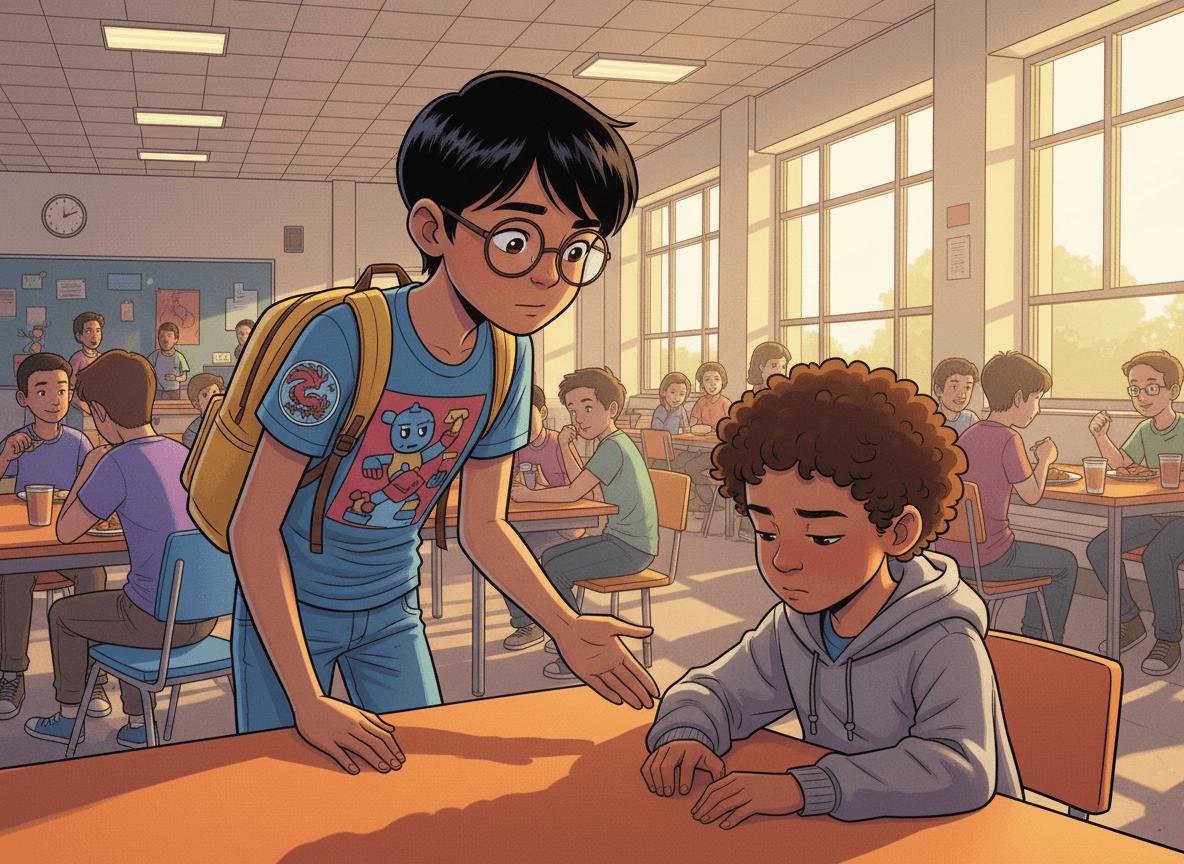
I wanted to help Jordan feel better. There are different ways I can show my friend that I care. I could ask Jordan what's wrong in a gentle way. I could also just sit with Jordan and be a quiet friend. Sometimes people don't want to talk right away—they just want to know someone is there.
I decided to ask Jordan directly but gently. I said, 'Hey Jordan, I noticed you seem quiet today. Is everything okay?' When people are sad, they sometimes need someone to notice and ask. Asking shows that I care and that I'm paying attention to how my friend is feeling.
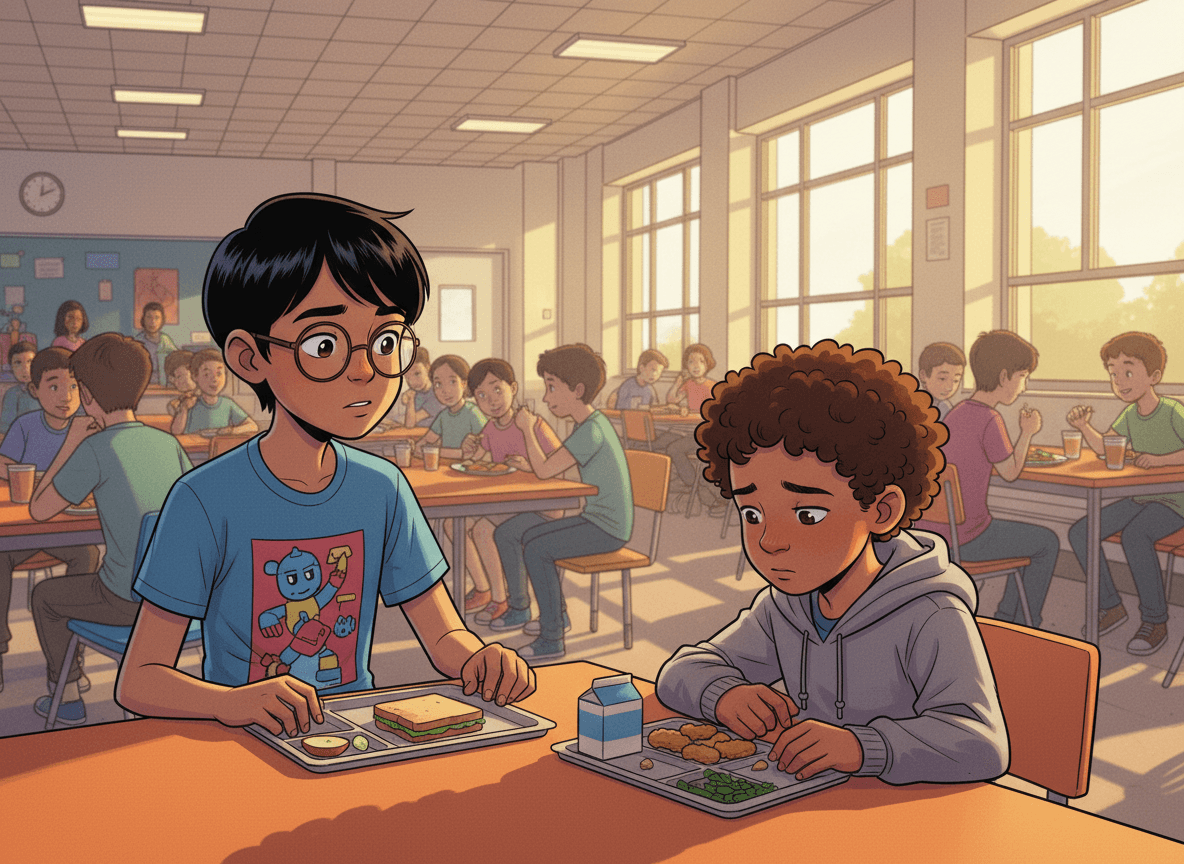
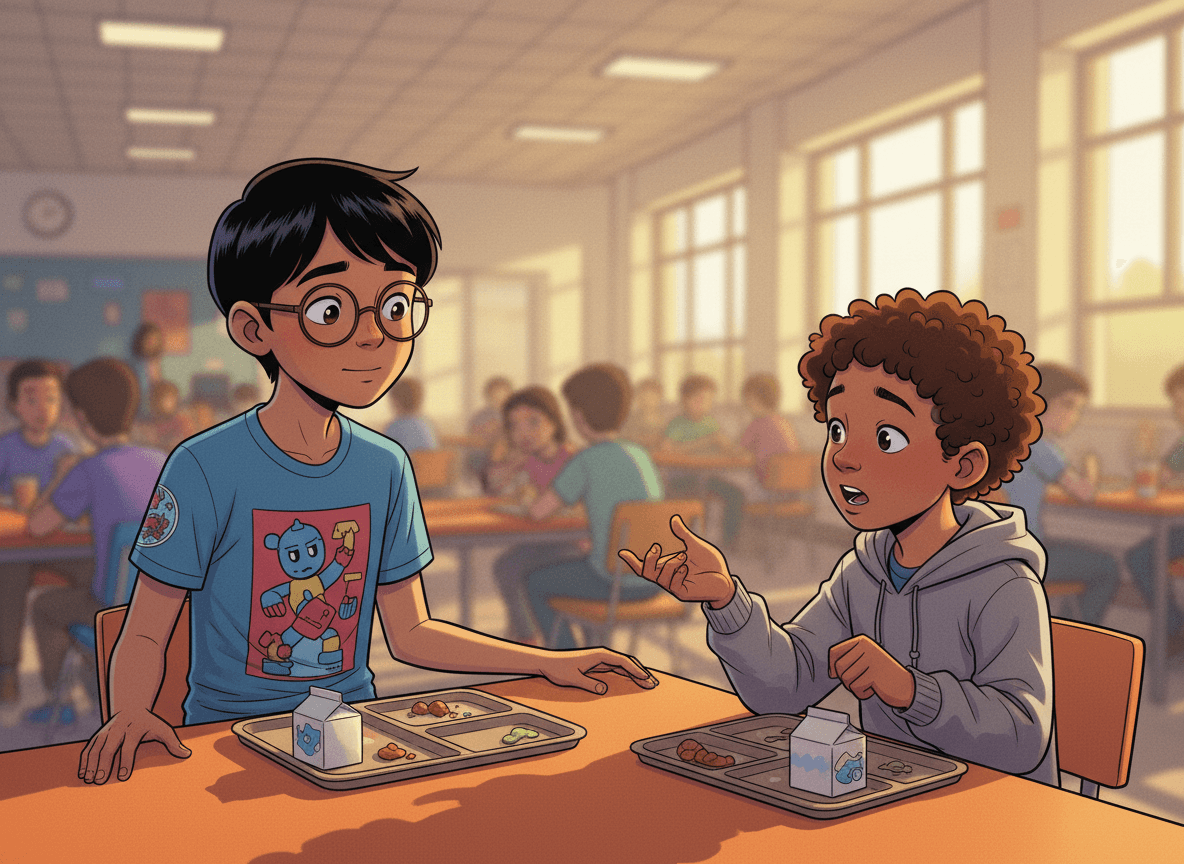
Jordan looked up at me and said, 'Yeah, actually something happened. My team lost our game yesterday and I felt really mad and sad about it.' Jordan was upset because something that mattered to them didn't go the way they wanted. When people we care about are sad, they need us to listen and understand why it matters to them.
I listened to Jordan talk about the game and how the team tried really hard but didn't win. I didn't try to make Jordan feel better by saying 'it's okay' or 'you'll do better next time' right away. Instead, I just listened. Sometimes when people are sad, they need to talk about it first before they feel better.
After Jordan finished talking, I said, 'I know you really care about playing well. That's one of the things I like about you—you always try hard at things you care about.' I was showing Jordan that I understand why this matters, and I was reminding them of something good about themselves. This can help people feel a little better when they're sad.
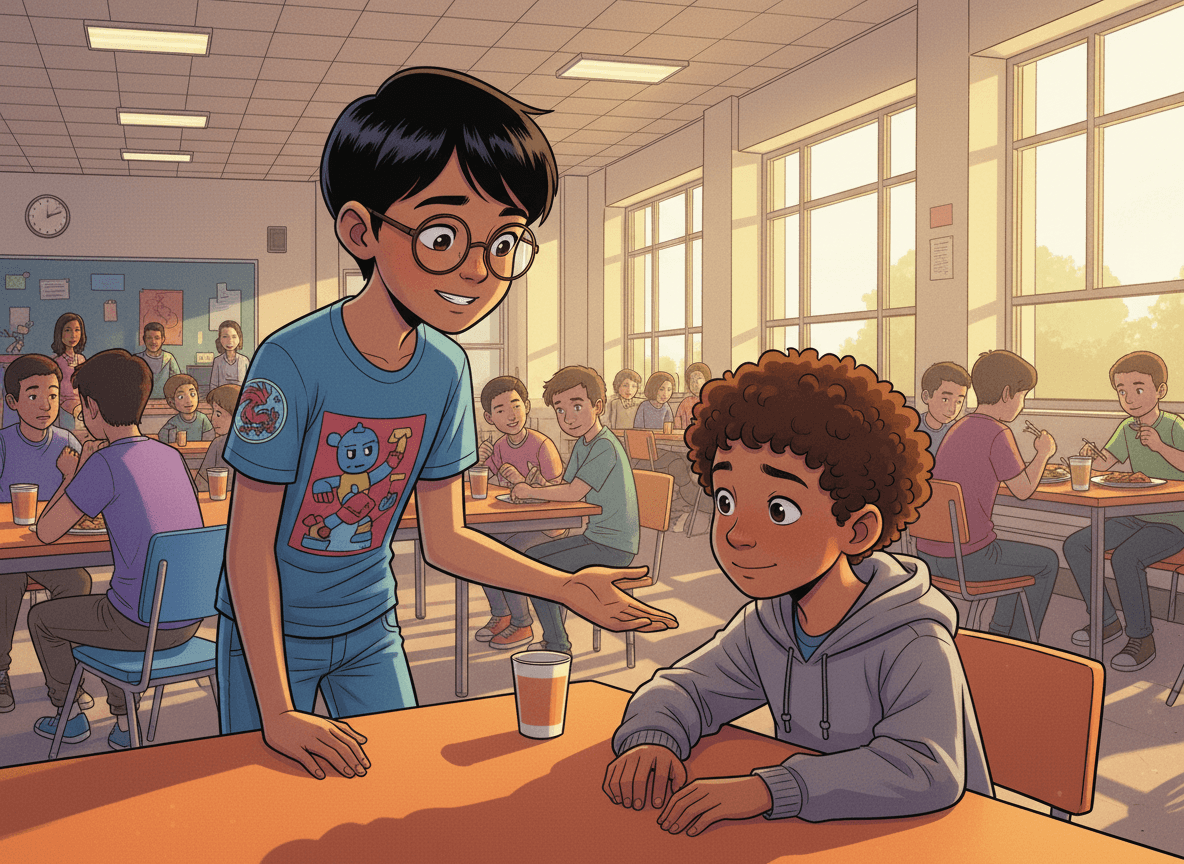
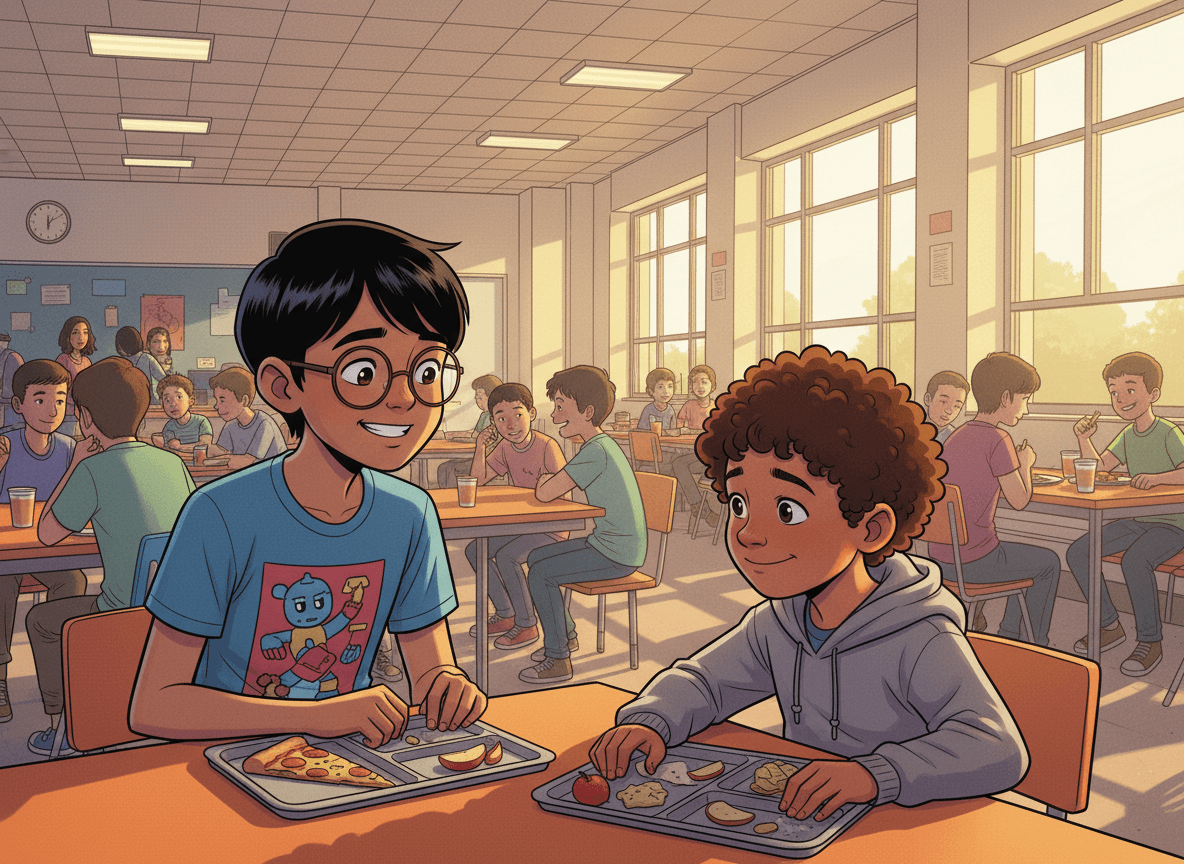
I also offered to do something together. I said, 'Do you want to come over this weekend? We could play that new video game that just came out, or just hang out.' Spending time with a friend can help them feel less alone. Doing something fun or normal together is another way to show care.
Jordan smiled a little bigger and said yes. By the end of lunch, Jordan seemed less sad. I realized that helping a friend doesn't always mean fixing their problem or making them happy right away. Sometimes it means noticing when something is wrong, asking about it, listening, and letting them know they're not alone.
Now when I'm with my friends, I try to pay attention to how they seem. I look for signs that someone might be sad—like sitting alone, not talking as much, or looking down. When I notice these things, I know it's a good time to ask, listen, and let them know I care. Being a good friend means noticing when someone needs help.
I'm glad I have friends like Jordan, and I'm glad I learned how to help. Recognizing when someone is sad and offering support is an important friendship skill. It makes friendships stronger and helps people feel cared for when they need it most.
Social Story Methodology
Why This Story Works
This story breaks down the abstract skill of recognizing emotional distress into concrete, observable signs—like sitting alone or looking down—that children with autism and ADHD can learn to identify and respond to. By walking through Kai's internal thought process (noticing → wondering → realizing → deciding → acting), the story mirrors Carol Gray's methodology of making hidden social thinking visible, helping neurodivergent children understand both what empathy looks like in action and why their friend's emotional state matters. The story also normalizes that helping doesn't mean fixing, which reduces anxiety for children who worry they must solve their friend's problems perfectly.
Story Structure
How It's Written
Sentence Types
Voice & Perspective
Story Structure
Practical Guidance
Ways to Use This Story
Practice Reading Body Language First
Share Your Own Friendship Moments
Role-Play the Gentle Ask
Coach Listening Without Fixing
Notice and Name It in Real Life
Want this story made just for your child?
Create a version with your child's name, appearance, and the specific details only they face — in minutes.
from $2.99 · no subscription · pay per story
More Social Skills Stories
Free to read and print
When Friends Play Without Me
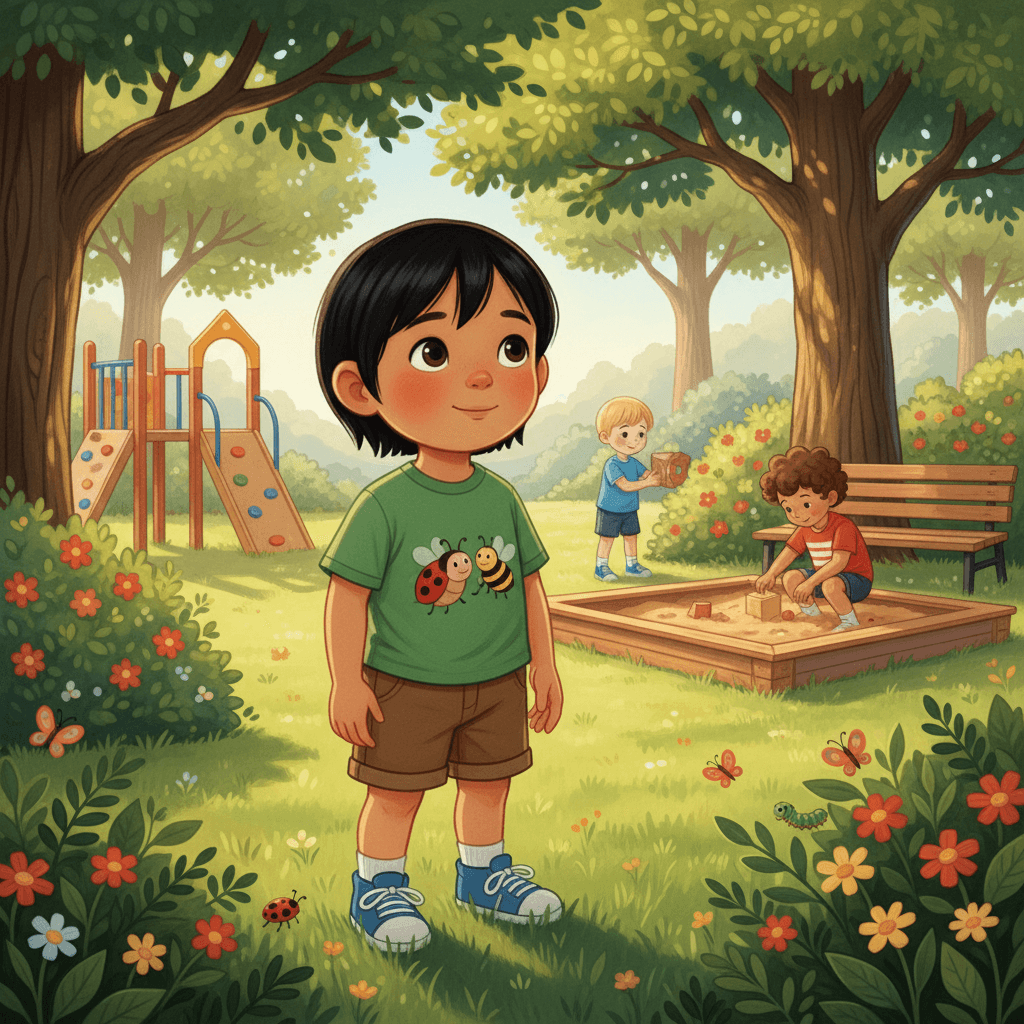
Kai feels left out when friends start playing a game without including them, and learns how to join in and make new connections.

Waiting My Turn in Line
Marcus learns that waiting in line helps everyone get a turn, and discovers strategies to stay calm while waiting. Set at a superhero-themed ice cream shop, this story shows Marcus practicing patience and seeing why lines work.

Taking Turns With Friends
Priya learns that taking turns and sharing toys with classmates helps everyone have fun together and makes friendships stronger.