When My Pet Goes to Heaven
Zara's beloved goldfish passes away, and she learns that it's okay to feel sad and miss someone you love. Through talking with Mama and remembering happy moments, Zara discovers that grief is a way of showing love.
Free to read and print — no account required
Want this story in your inbox?
We’ll email you the link so you can read and print it whenever you need it. Free, and no account required.
One email with your story. We won’t pass your address on, and you can unsubscribe any time.


Read the Story
8 pages · 6 min read read
Show text
Read the Story
8 pages · 6 min read read
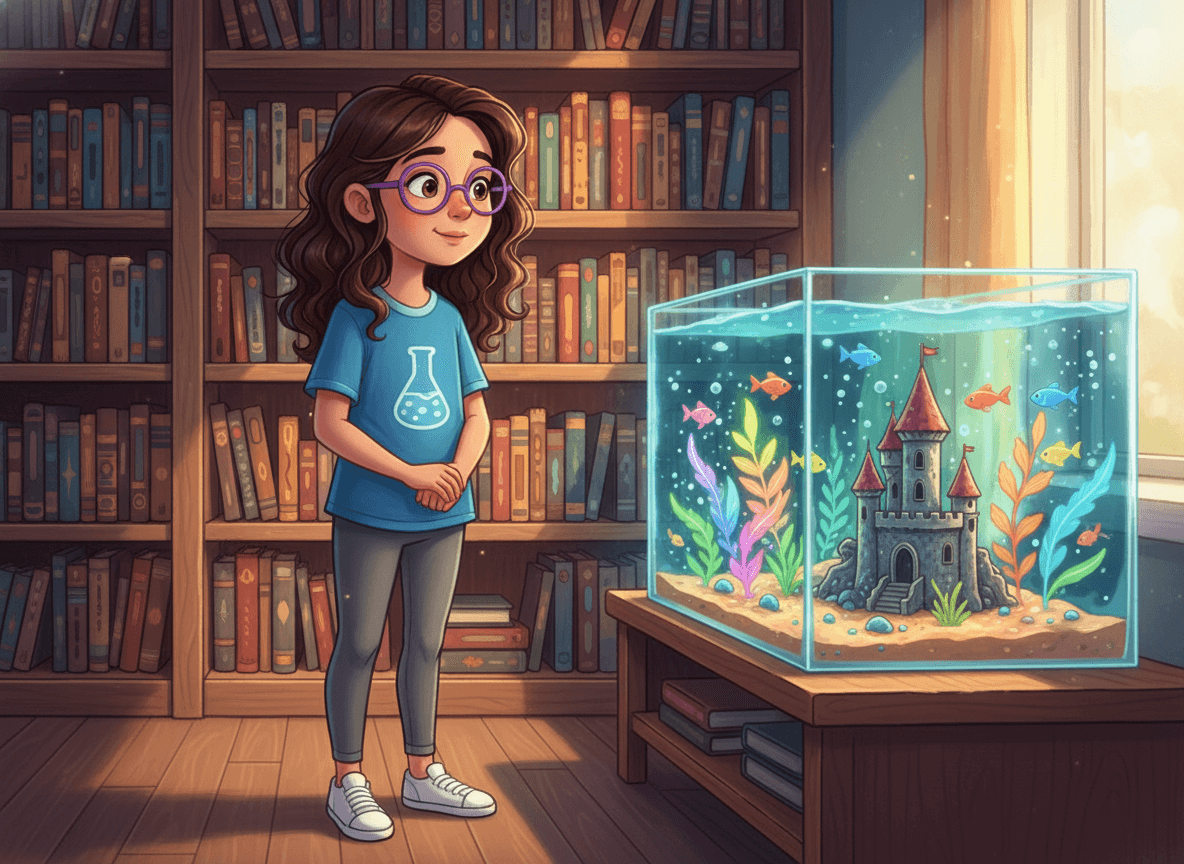
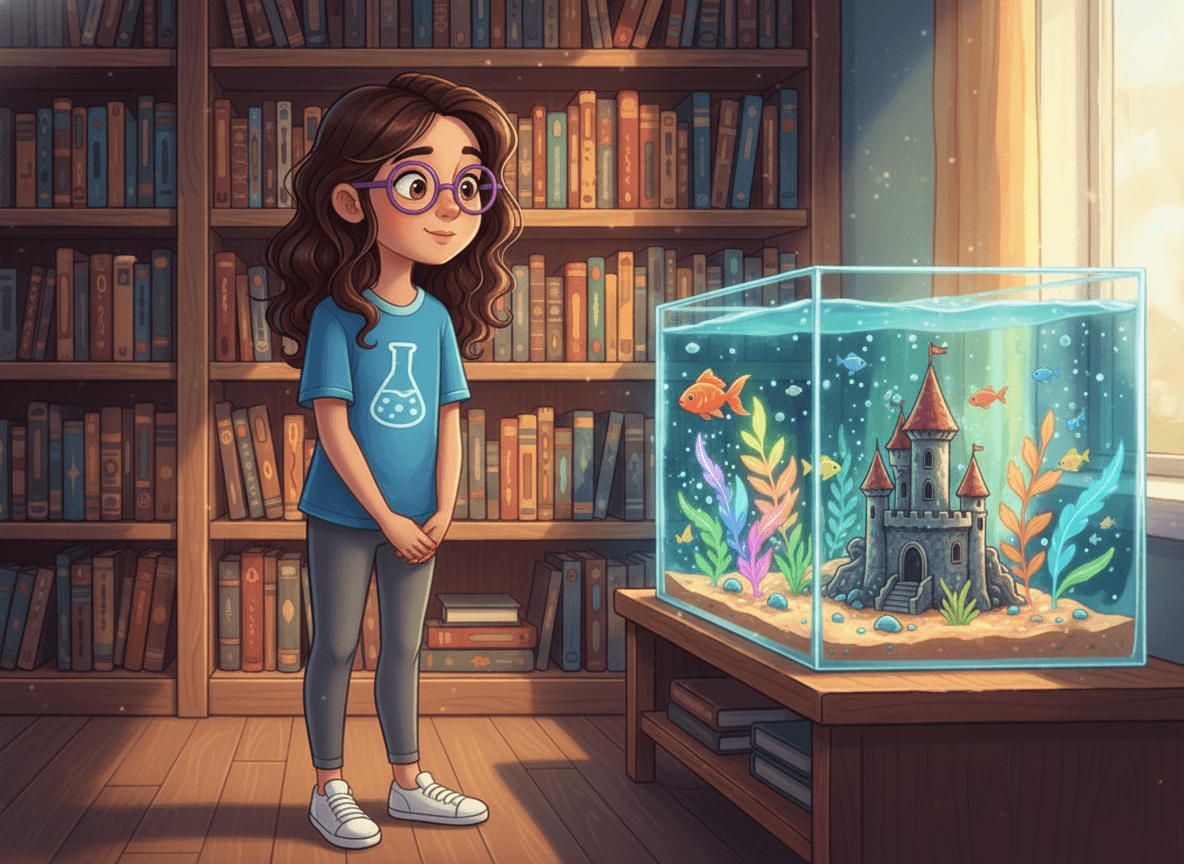
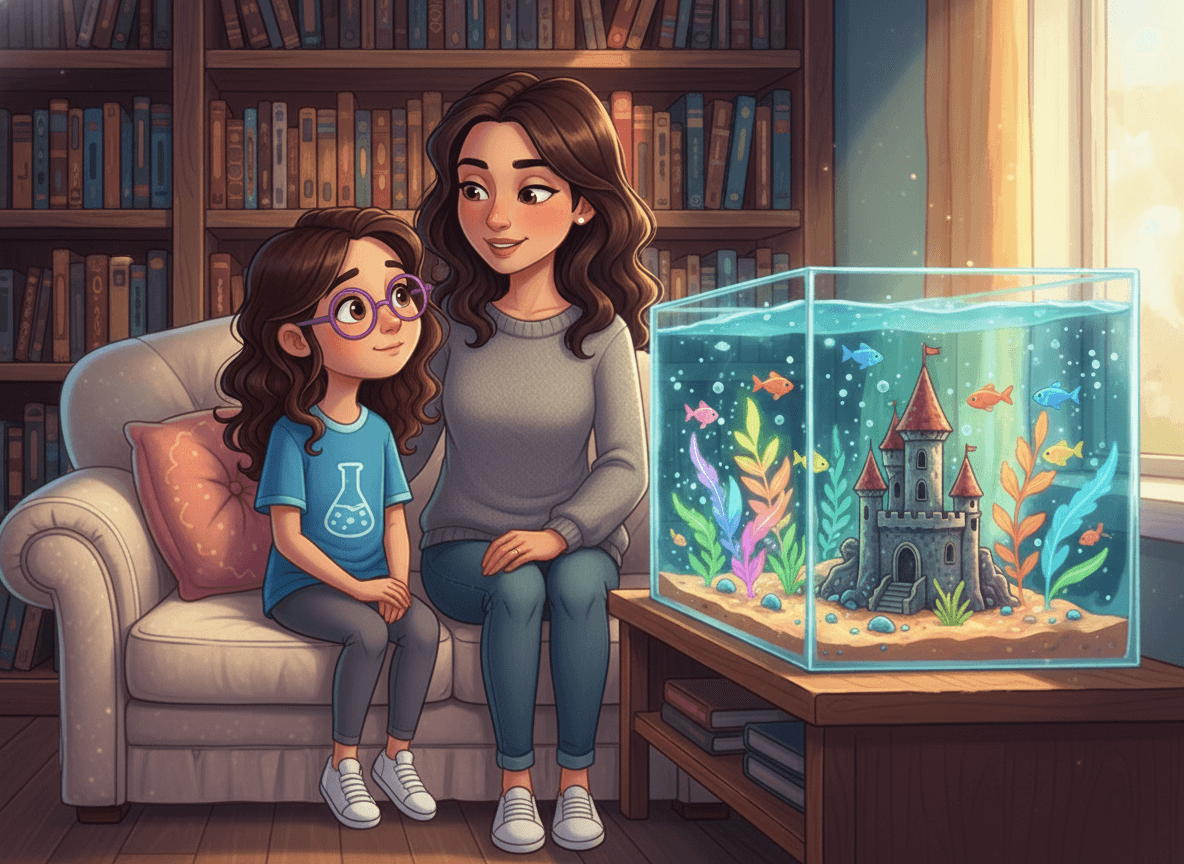
My name is Zara, and I have a goldfish named Splash. Splash lives in a tank by the window in our living room. Every morning, I feed Splash her food and watch her swim in circles. I love watching her glide through the water.
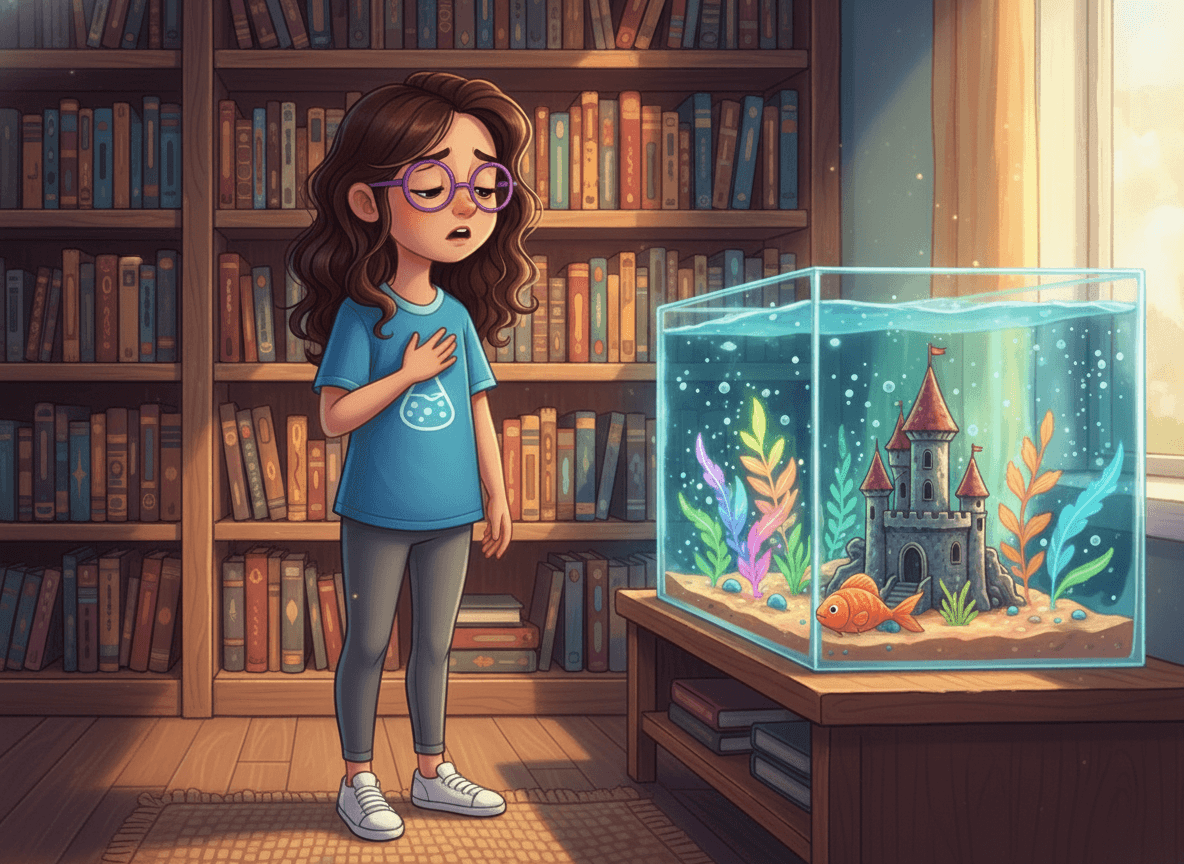
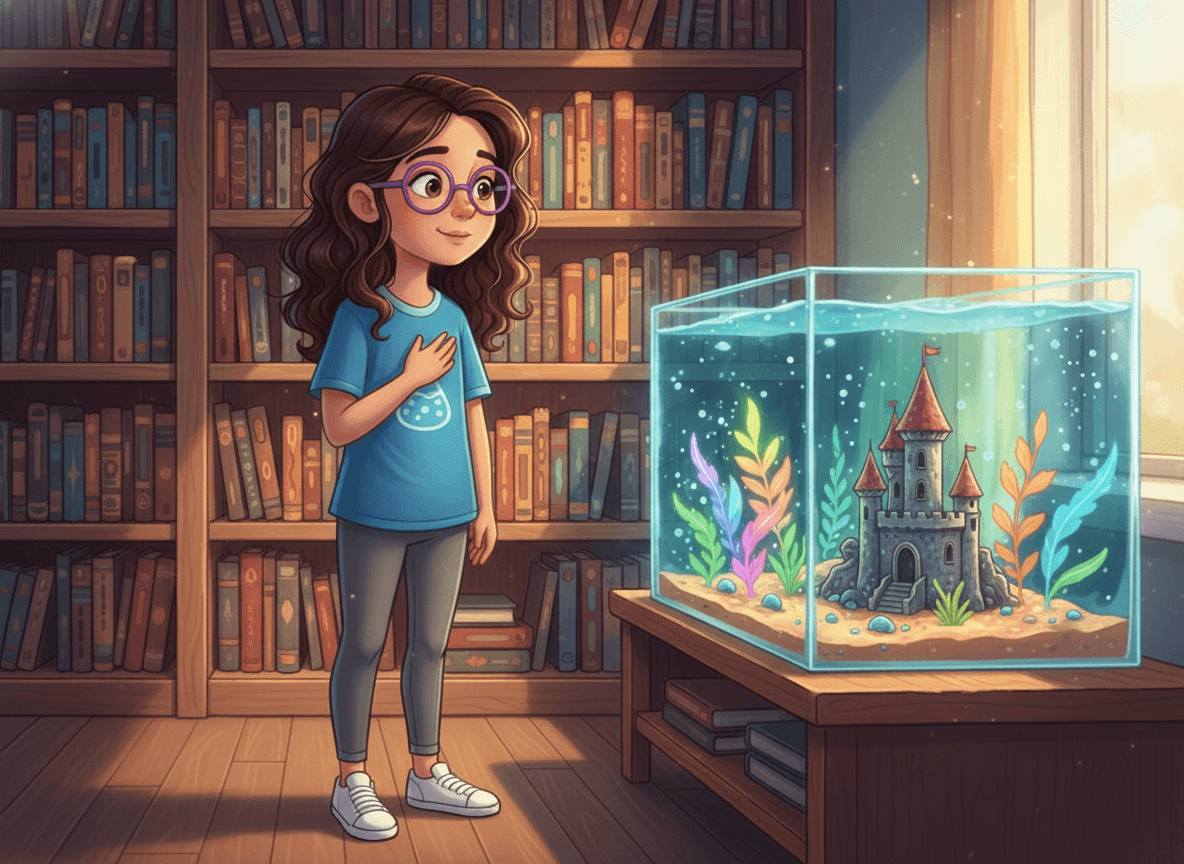
This morning, I went to feed Splash like I always do. But when I looked in the tank, Splash was not moving. She was lying still at the bottom of the tank. I felt my chest get tight, and my eyes started to feel hot and watery.
I called for Mama. When she came over, I pointed at Splash without saying anything. Mama looked at the tank and put her arm around me. She said, "Splash has died, sweetheart. I'm so sorry." My eyes filled with tears because I loved Splash so much.
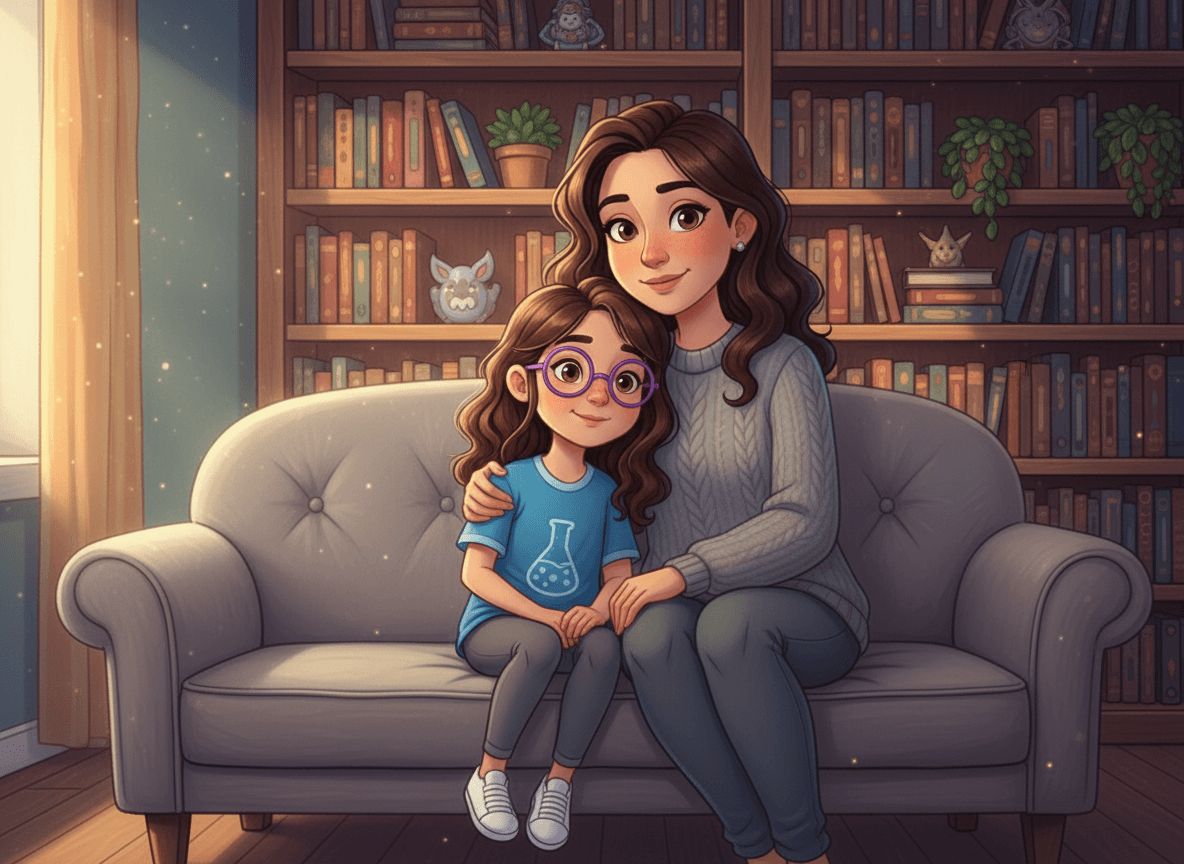
Mama and I sat on the couch together. She said, "Feeling sad right now makes sense because you loved Splash. When we love someone, we feel sad when they go away. That sadness is actually a sign of how much you cared." I nodded and leaned against Mama.
Mama asked me to tell her my favorite memories of Splash. I remembered when I first got Splash, and she was so tiny. I remembered the time I showed Splash to my friend and she said Splash had the prettiest orange color. Talking about these happy moments made me feel a little better.
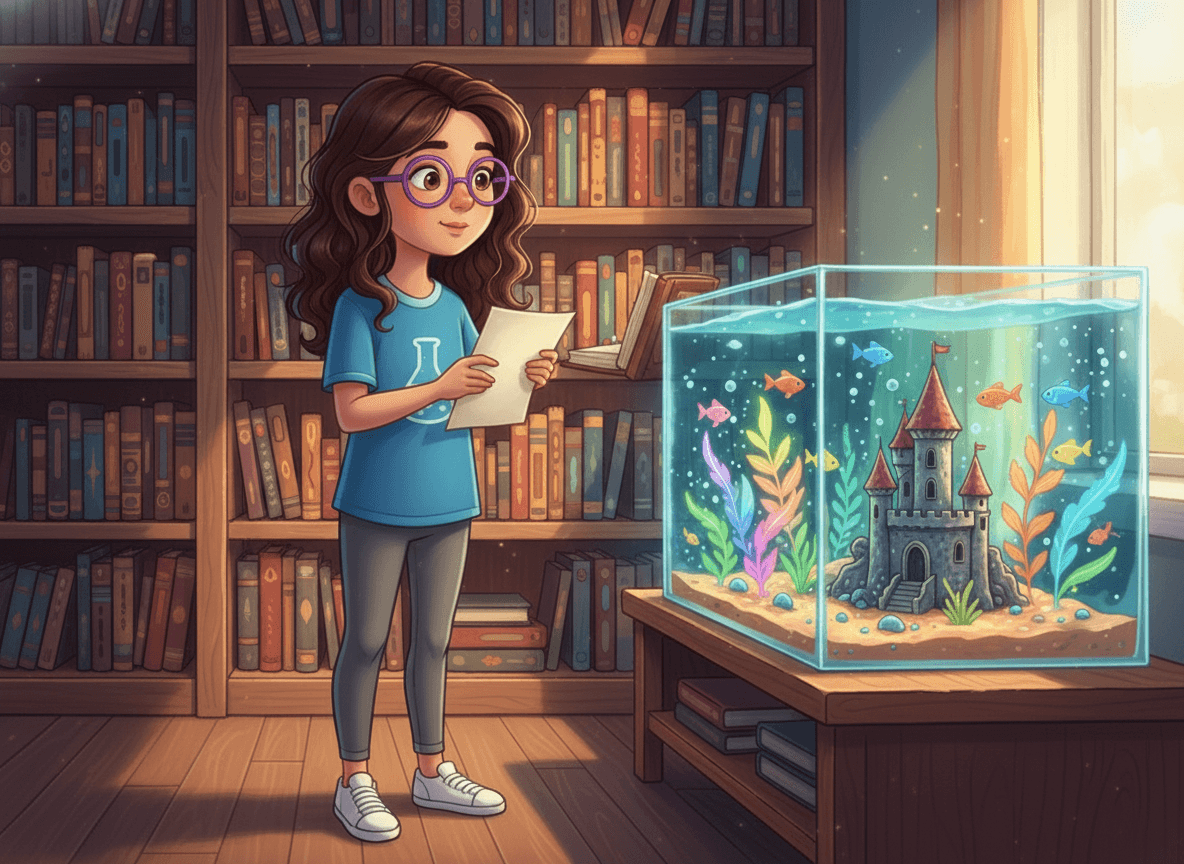
We decided to make a special goodbye for Splash. Mama helped me write down three things I loved about her: her bright orange color, the way she blew bubbles, and how she always swam to the glass when I came near. Writing these things down helped me remember Splash forever.
A few days later, I still felt sad when I looked at the empty tank. But I also felt something else—I felt grateful for the time I had with Splash. Mama said that missing someone means they were important to us, and that's a beautiful thing. I knew Splash would always have a special place in my heart.
I decided to keep the paper I wrote about Splash in a special book on my shelf. Every time I see it, I remember how much fun I had with her. Missing Splash still happens sometimes, but now I know that feeling sad is okay—it's just my heart remembering someone I loved.
Social Story Methodology
Why This Story Works
Pet loss is a child's first experience with death, and the ambiguity—what does it mean when something stops moving?—can trigger anxiety or confusion in neurodivergent children who think literally and need concrete explanations. This story uses Carol Gray's "I" perspective and calm, matter-of-fact language to name both the physical event (Splash lying still) and the emotional response (chest tightness, tears), helping children understand that sadness is predictable, manageable, and connected to love rather than something frightening or wrong.
Story Structure
How It's Written
Sentence Types
Voice & Perspective
Story Structure
Practical Guidance
Ways to Use This Story
Read Before the Loss Happens
Create Your Own Memory Page
Revisit When Sadness Surfaces
Name Sadness as Love, Not Weakness
Prepare for the "Why" Questions
Want this story made just for your child?
Create a version with your child's name, appearance, and the specific details only they face — in minutes.
from $2.99 · no subscription · pay per story
More Emotions Stories
Free to read and print

Understanding My Emotions at School
Zara learns to recognize and name different feelings she experiences at different times during her school day, from morning arrival through afternoon dismissal. She also learns specific strategies to manage challenging feelings.
My Body Tells Me Things
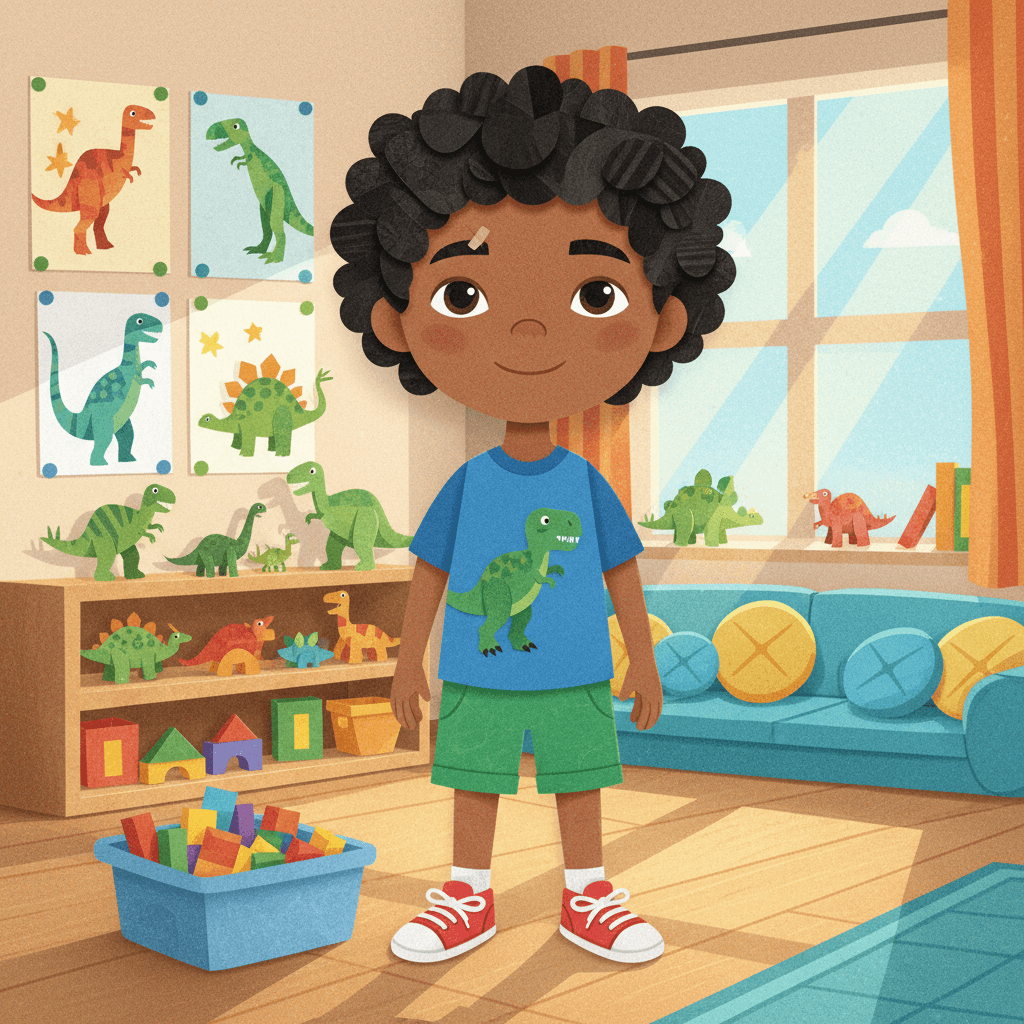
Amir learns to recognize big feelings in his body and use simple calming strategies to help himself feel better. This story helps him understand that big feelings are normal and that his body can help him calm down.
Amir Calms Down When Frustrated
Amir learns specific calming strategies to use when he feels frustrated during playtime. The story shows him practicing breathing, squeezing, and counting techniques that help his body feel calm again.