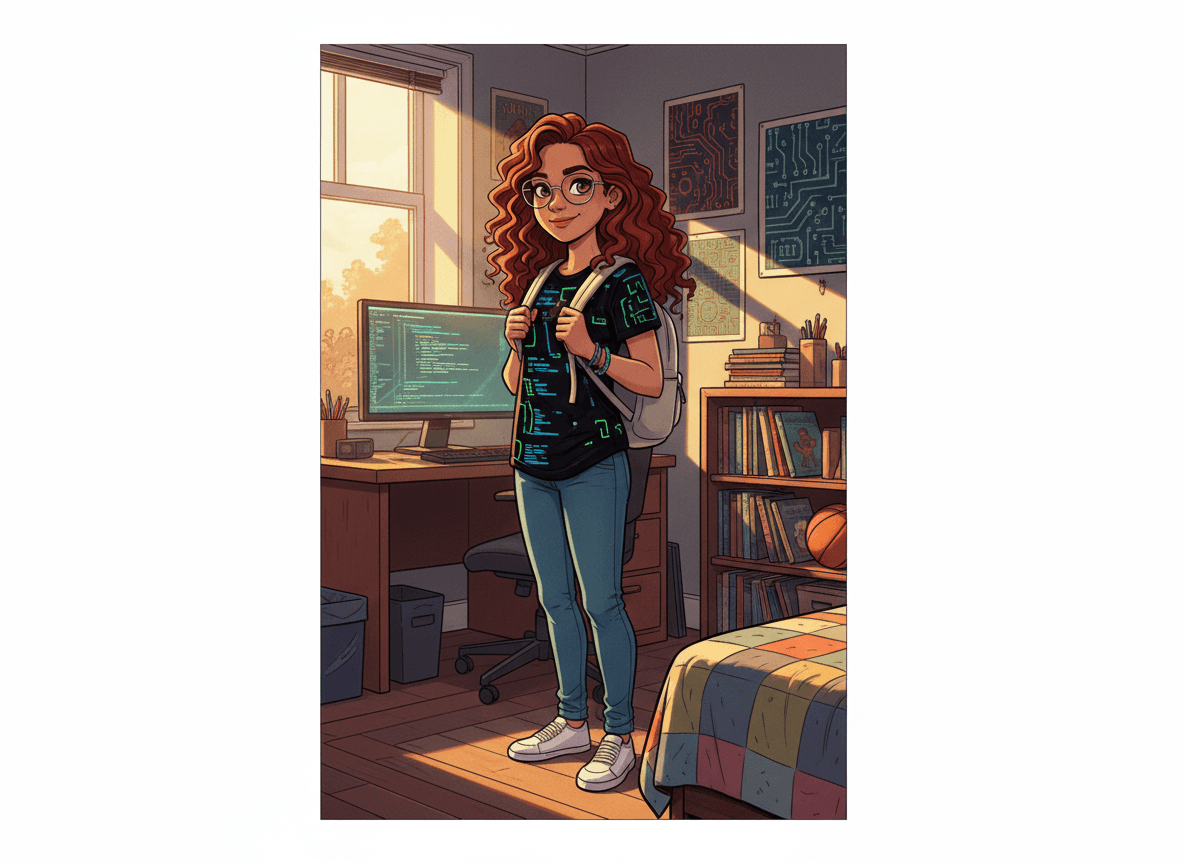
My Morning Routine Before School
Amara learns how to follow a morning routine with specific steps and timing to get to school on time. The story explains why each part of the routine matters and includes concrete strategies to stay on track.
Free to read and print — no account required
Want this story in your inbox?
We’ll email you the link so you can read and print it whenever you need it. Free, and no account required.
One email with your story. We won’t pass your address on, and you can unsubscribe any time.


Read the Story
12 pages · 9 min read read
Show text
Read the Story
12 pages · 9 min read read
My name is Amara, and I'm learning about my morning routine. A morning routine is a set of steps I follow every morning to get ready for school. When I follow my routine, I have enough time to do everything I need to do without feeling rushed or stressed.
My routine helps my brain get organized for the day. When my brain knows what to expect, it can focus better on learning and activities. Getting to school on time is important because my teachers need everyone to be there when class starts, and my friends are waiting to see me.
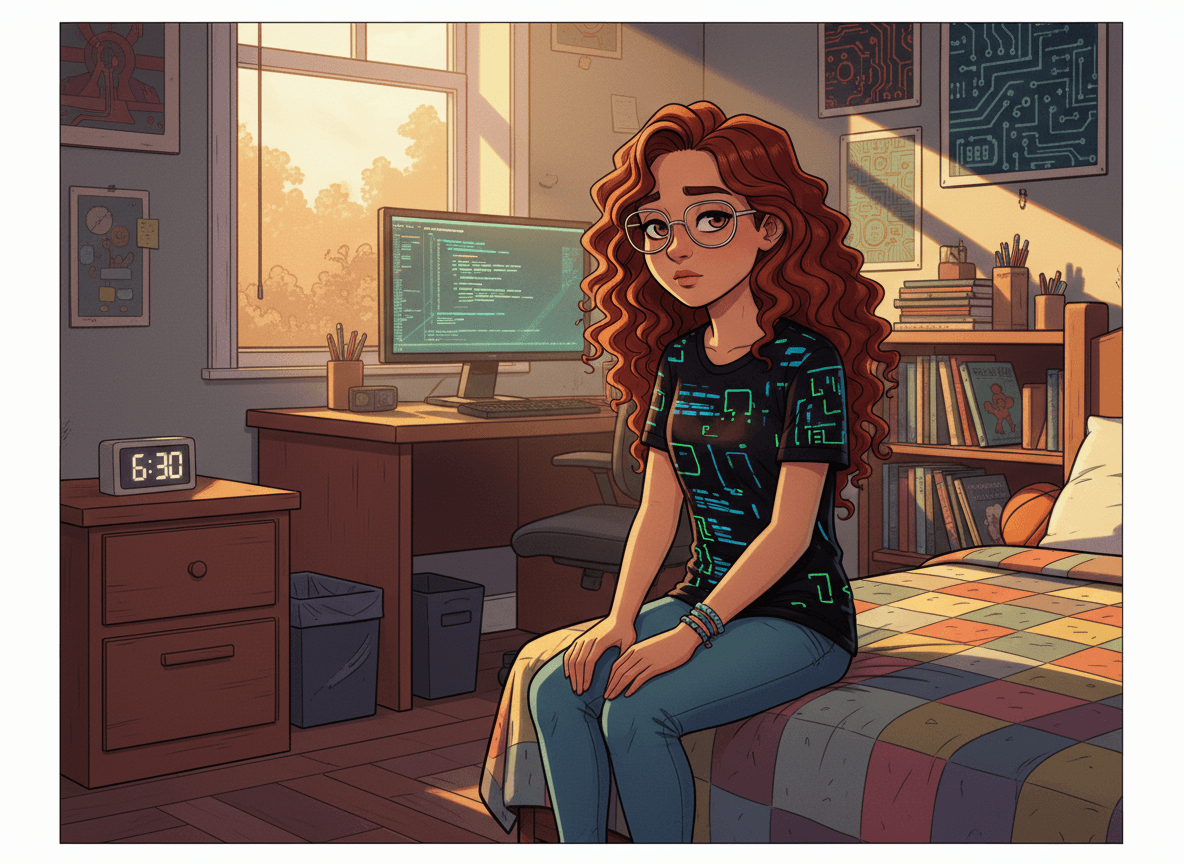
Step one of my morning routine is waking up. I wake up when my alarm goes off at 6:30 AM. My body needs this time to slowly become alert and ready for the day. When I first wake up, I sit on the edge of my bed for a moment and take three deep breaths to help my brain start working.
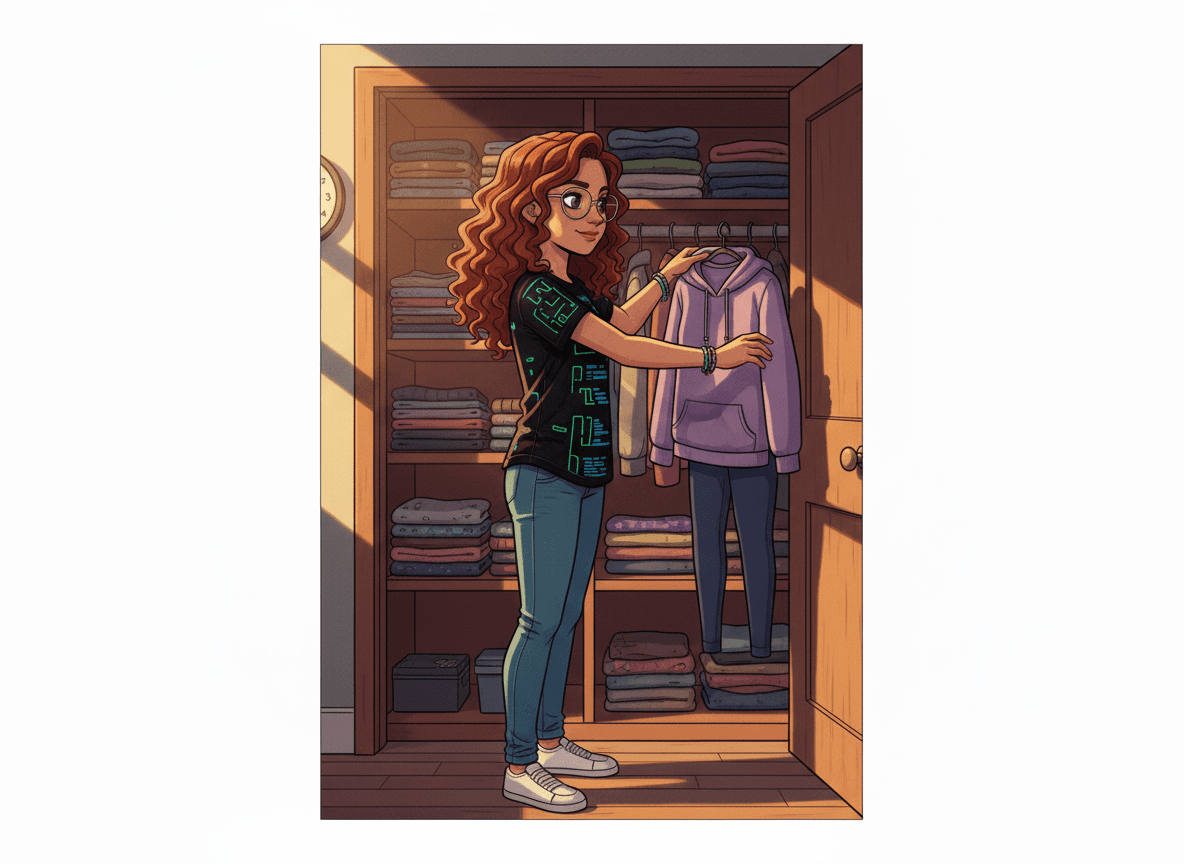
Step two is getting dressed. I choose my clothes the night before, so I don't have to decide when I'm still waking up. This saves time and helps me avoid making choices when my brain is still sleepy. Getting dressed helps me feel ready and prepares my body for the day.
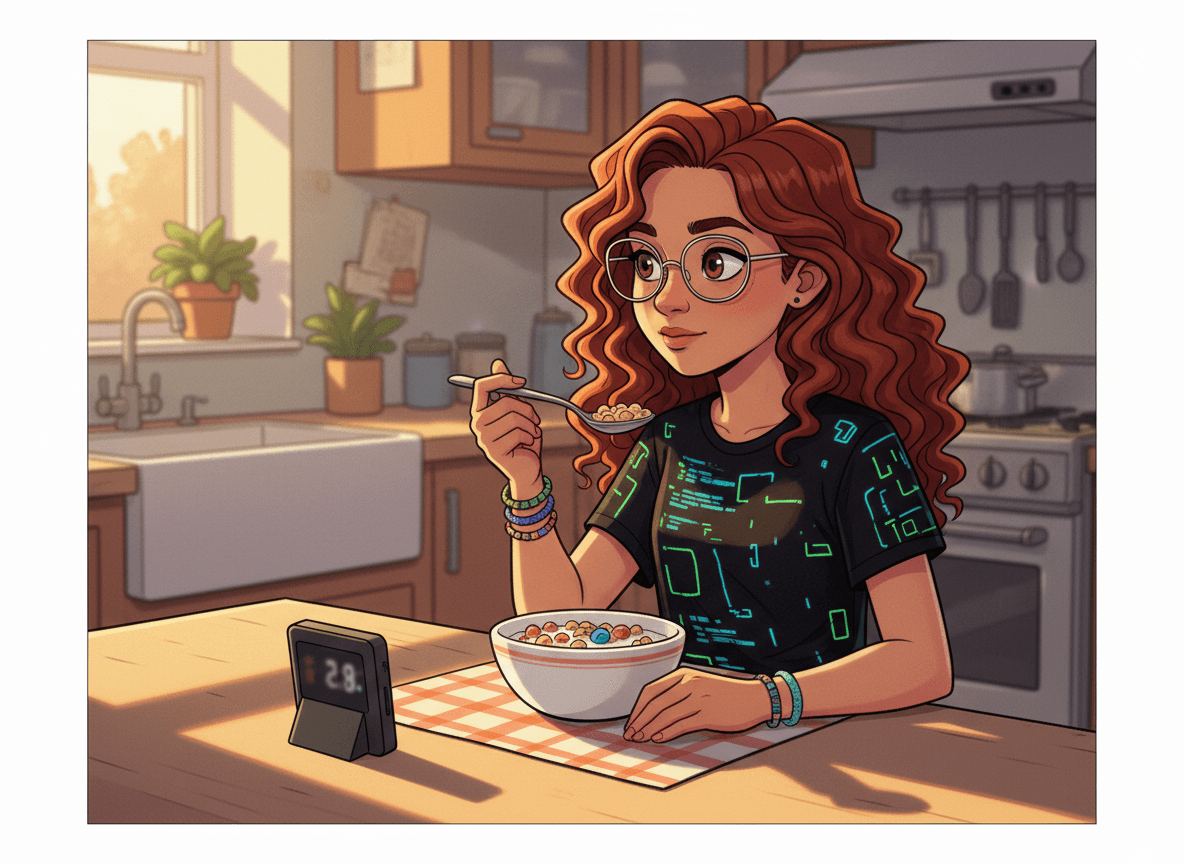
Step three is eating breakfast. My brain and body need fuel in the morning. Eating breakfast gives me energy to think, learn, and focus during school. I eat foods that help my body feel good, like cereal with milk, toast with peanut butter, or yogurt with fruit.
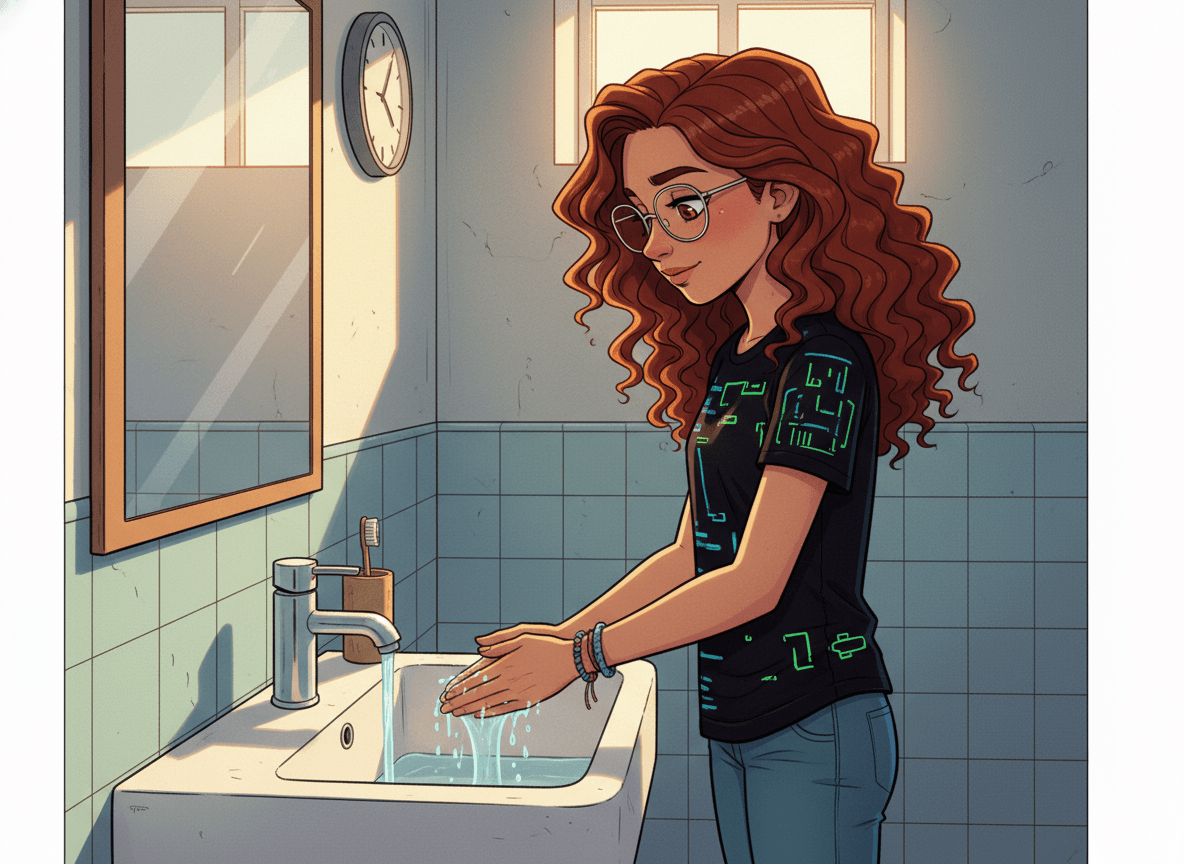
Step four is washing up. I wash my hands and face, brush my teeth, and use the bathroom. These activities help me feel clean and fresh. Brushing my teeth keeps my teeth and gums healthy. Washing my hands removes germs so I stay healthy and don't spread germs to my friends and teachers.
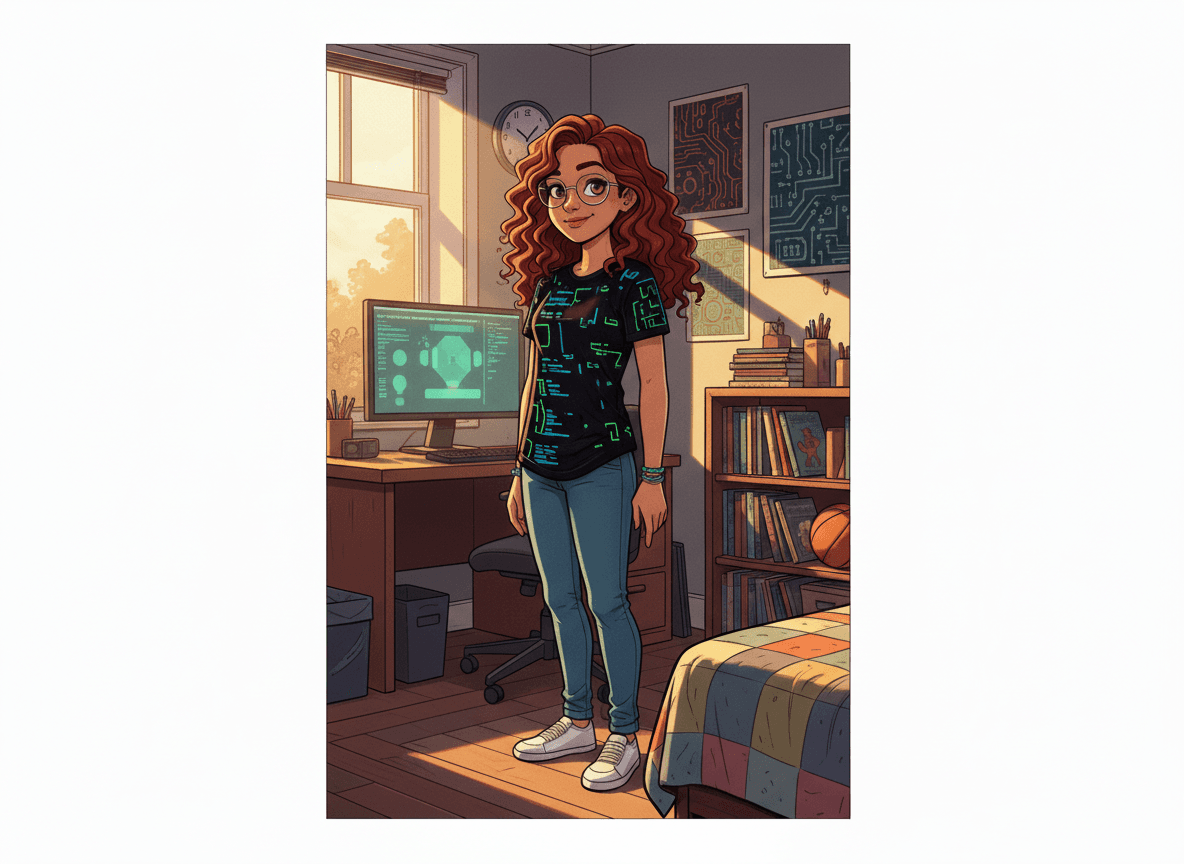
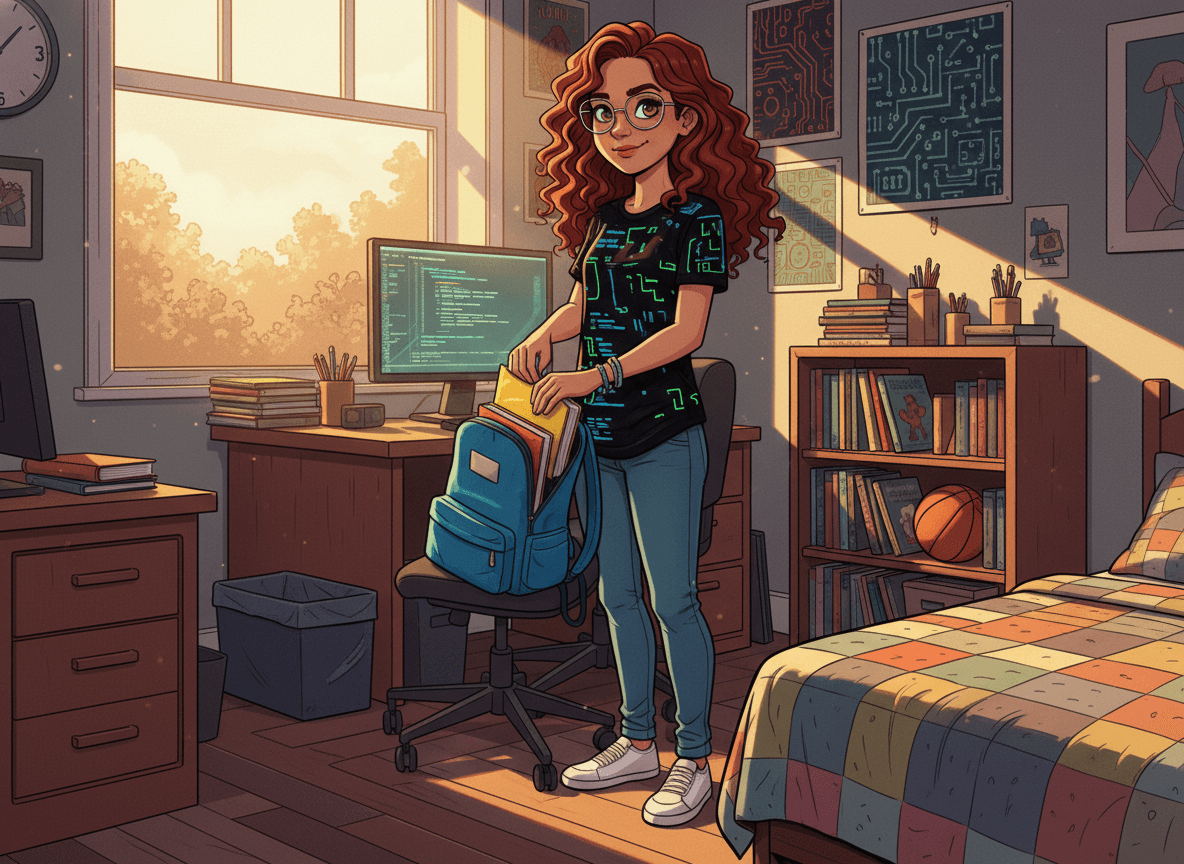
Step five is gathering my things. I collect my backpack, which contains my homework, notebooks, and lunch. I also check that I have my glasses and my phone for emergencies. Gathering my things the night before helps me remember everything I need and saves time in the morning.
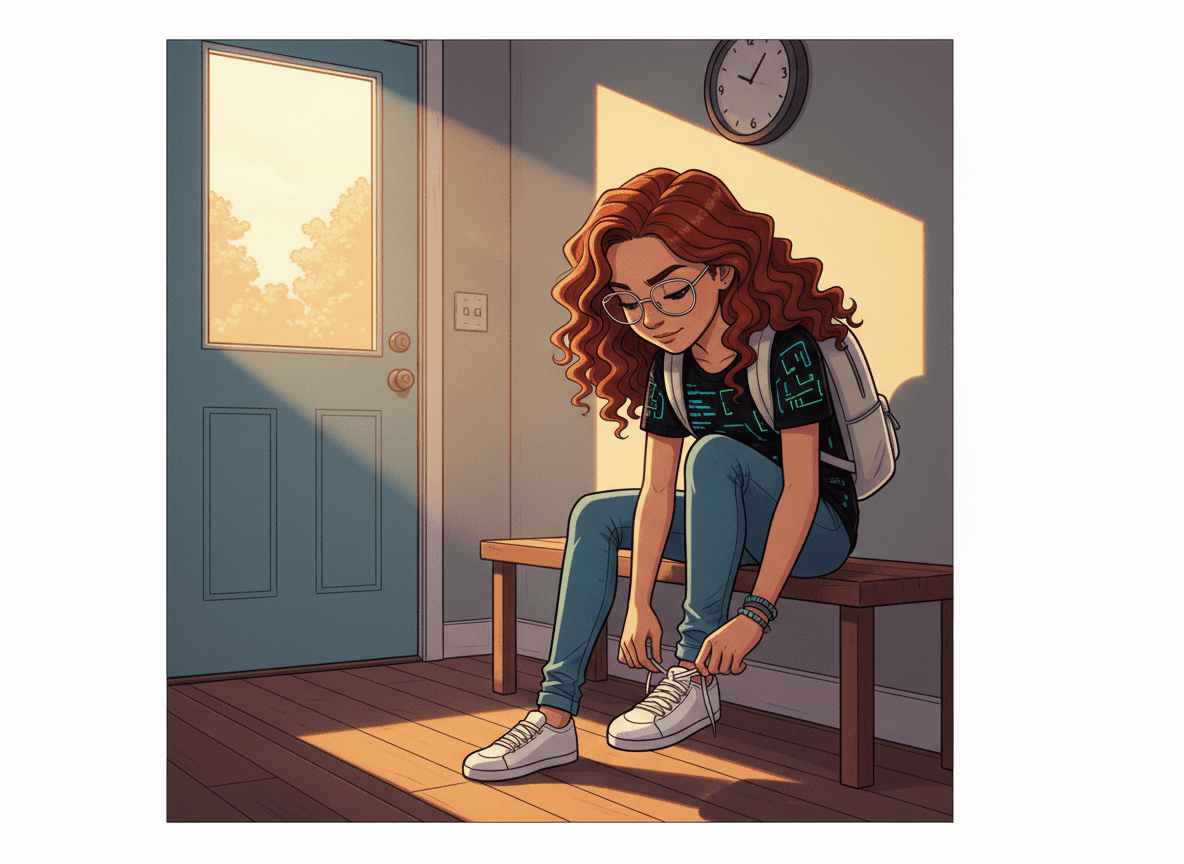
Step six is putting on my shoes. This is the last step before I leave. Putting on my shoes means my body is ready to go outside. I tie my laces properly so my shoes stay secure while I walk or play.
Sometimes during my morning routine, I notice I am spending too much time on one step. When this happens, I use a timer on a clock or my phone. I set it for the amount of time each step should take. This helps me stay on track and makes sure I have enough time for every step.
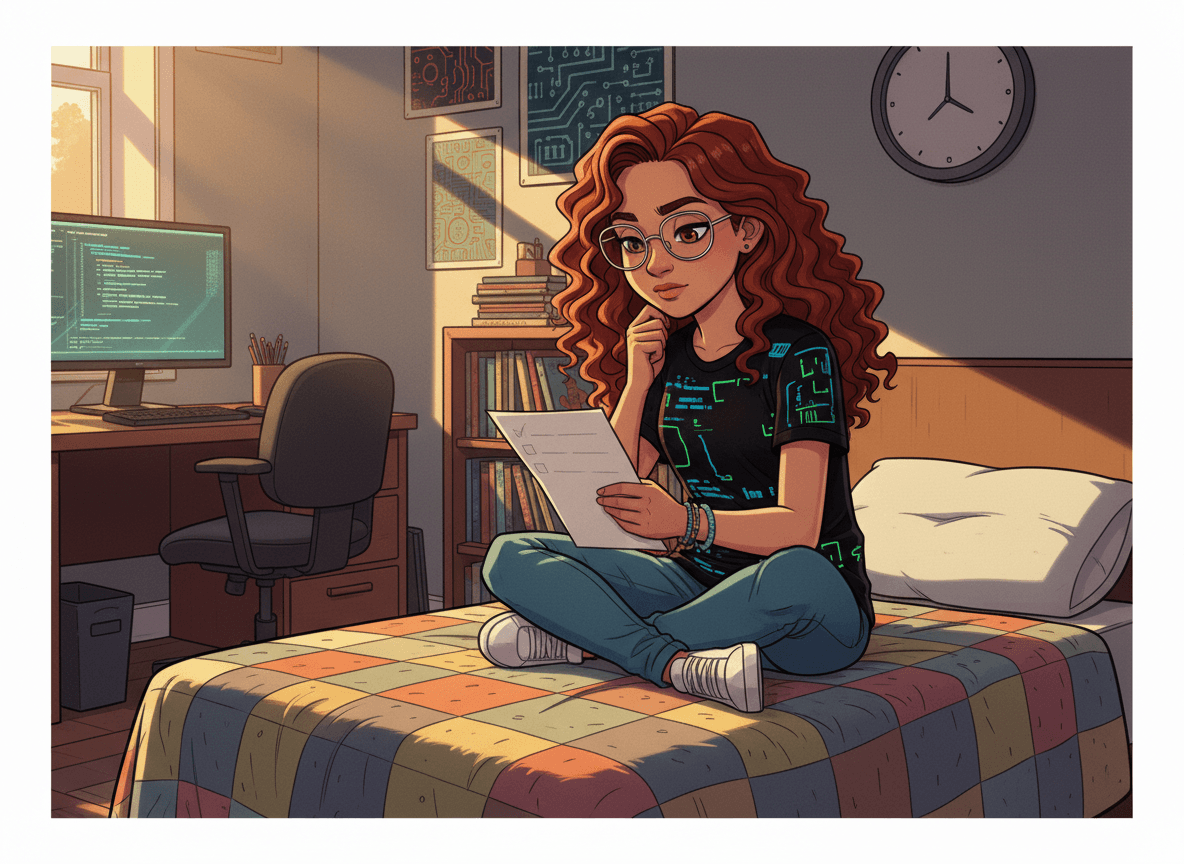
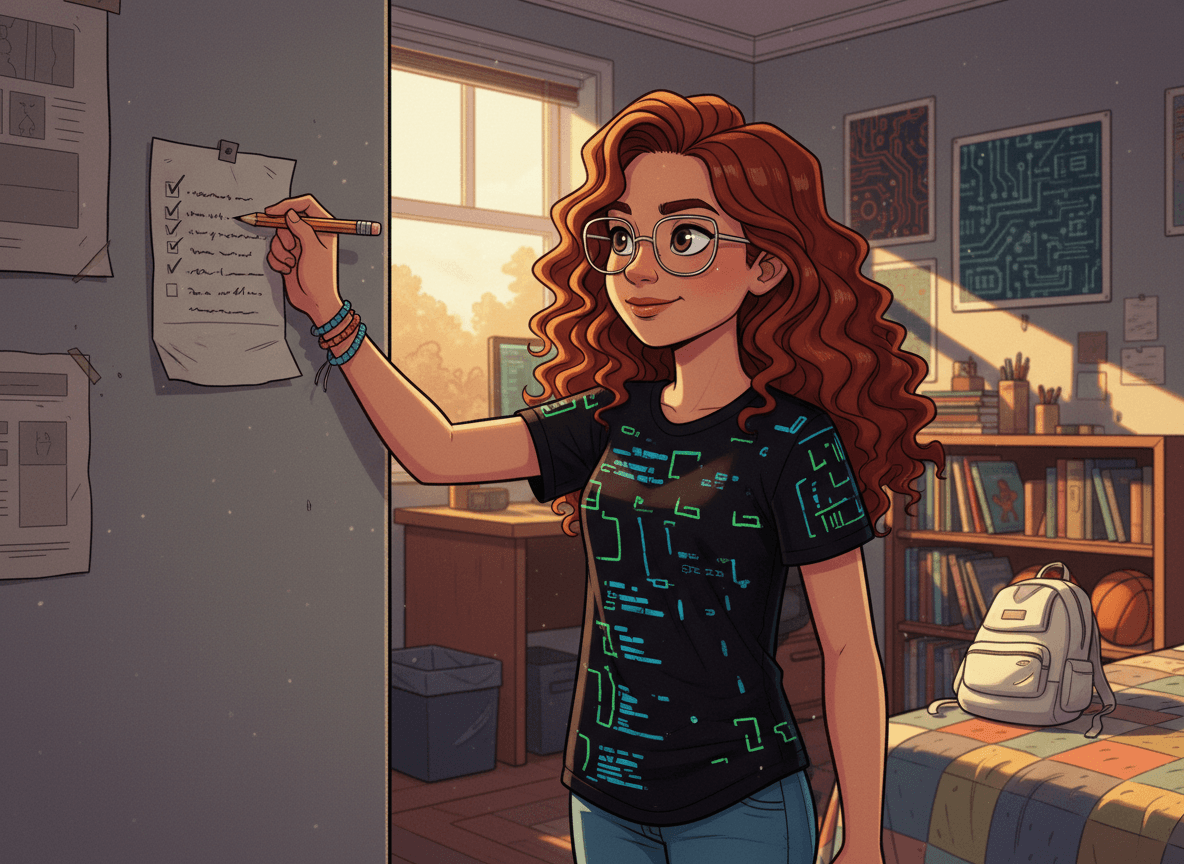
I can also create a checklist to help me remember each step. A checklist is a list of items I check off as I complete them. Checking off each step gives my brain a feeling of accomplishment. It also helps me see that I am making progress through my routine and getting closer to being ready for school.
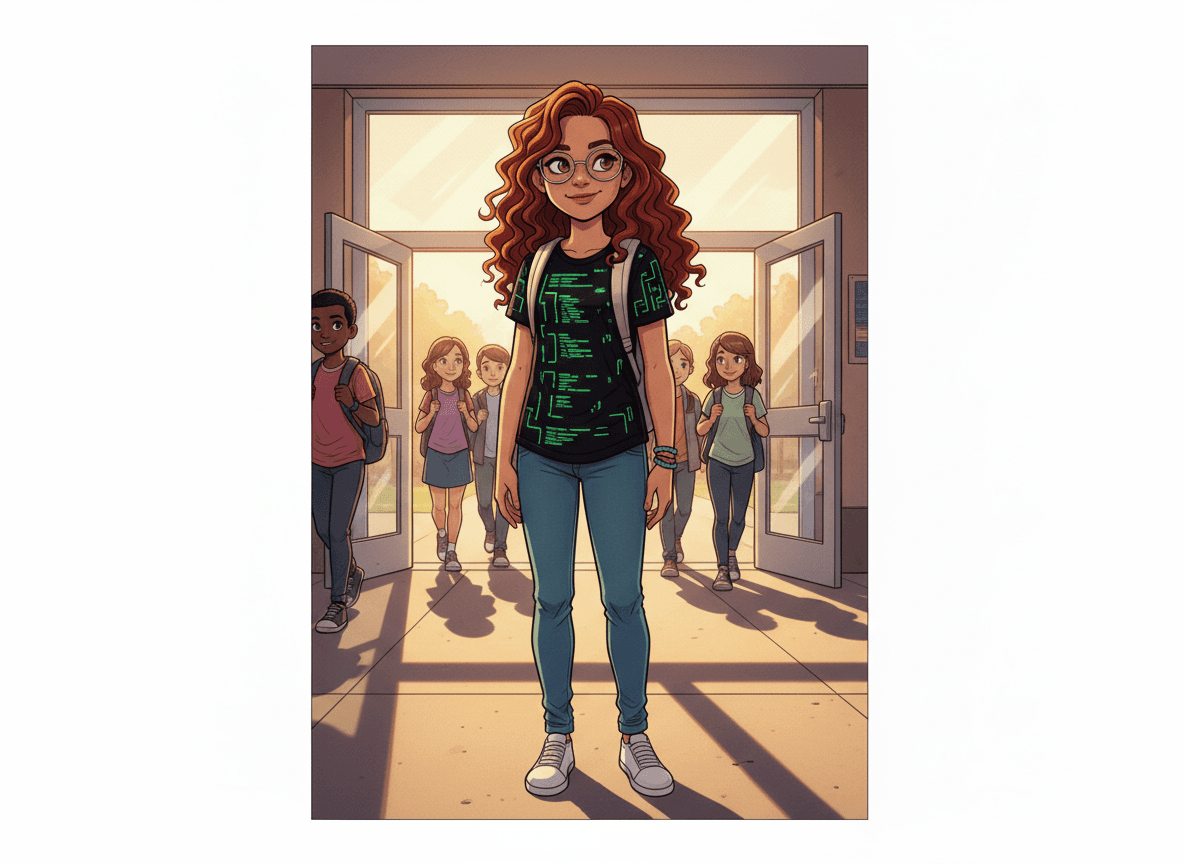
When I follow my morning routine and arrive at school on time, I feel proud and calm. My teachers are happy when I arrive on time because it shows responsibility. My friends see me at the start of the day. I have enough time to settle into class without feeling rushed or worried.
Following my morning routine helps my whole day go better. I feel organized, calm, and ready to learn. Every morning is an opportunity to practice my routine and get better at managing my time. I know that I can do this, and my routine helps me succeed at school.
Social Story Methodology
Why This Story Works
Morning routines are often the most anxiety-triggering part of a child's day—too many decisions, unpredictable transitions, and time pressure can overwhelm developing brains. This story uses Carol Gray's strength-based approach by breaking down each step into concrete, predictable actions and explicitly teaching *why* each matters ("my brain knows what to expect, it can focus better"). For children with autism or ADHD, the combination of visual sequence, sensory anchors (deep breaths, clean hands), and built-in flexibility tools (timers, checklists) transforms a chaotic routine into a manageable, pride-building ritual.
Story Structure
How It's Written
Sentence Types
Voice & Perspective
Story Structure
Practical Guidance
Ways to Use This Story
Practice with a visual timer
Create a laminated checklist
Prep clothes the night before together
Celebrate on-time arrivals visibly
Read it on a calm evening
Want this story made just for your child?
Create a version with your child's name, appearance, and the specific details only they face — in minutes.
from $2.99 · no subscription · pay per story
More Daily Routines Stories
Free to read and print
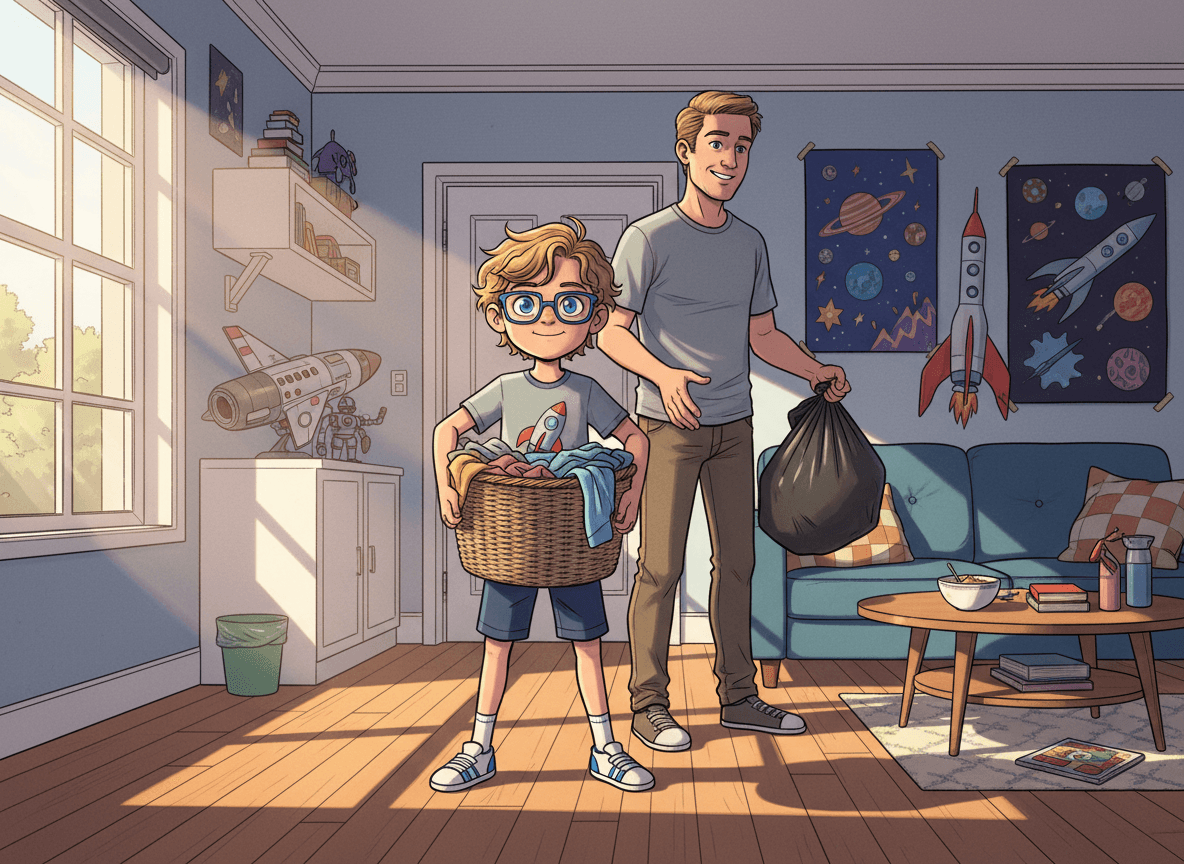
Helping Dad With Chores
Liam learns why helping with household chores matters and discovers how his contributions make a real difference to his family. Through a specific Saturday morning scenario, he sees the connection between his actions and the comfort of his home, and learns a coping strategy to manage frustration.
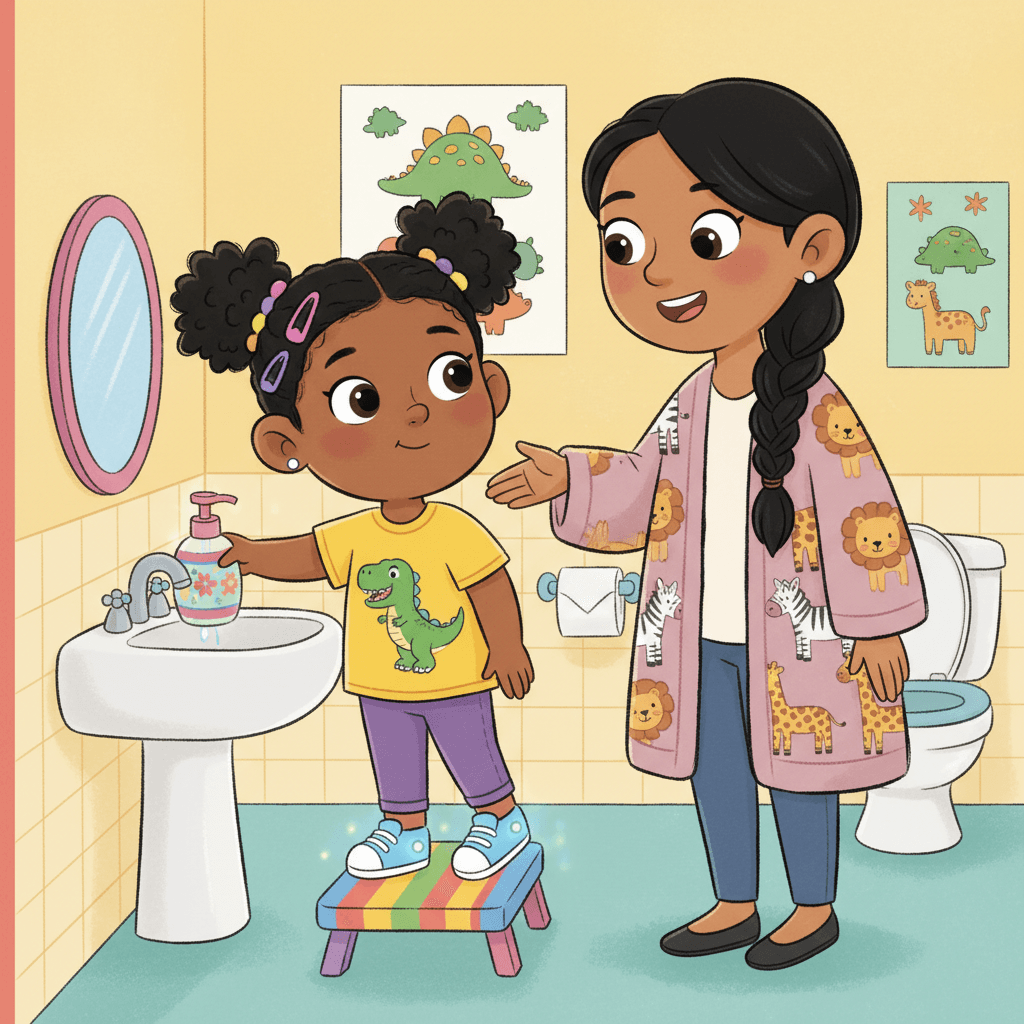
Using the Bathroom at Preschool
Aisha learns the steps for using the bathroom independently at preschool, with support from her teacher Ms. Rodriguez. This story helps her understand the routine and build confidence.
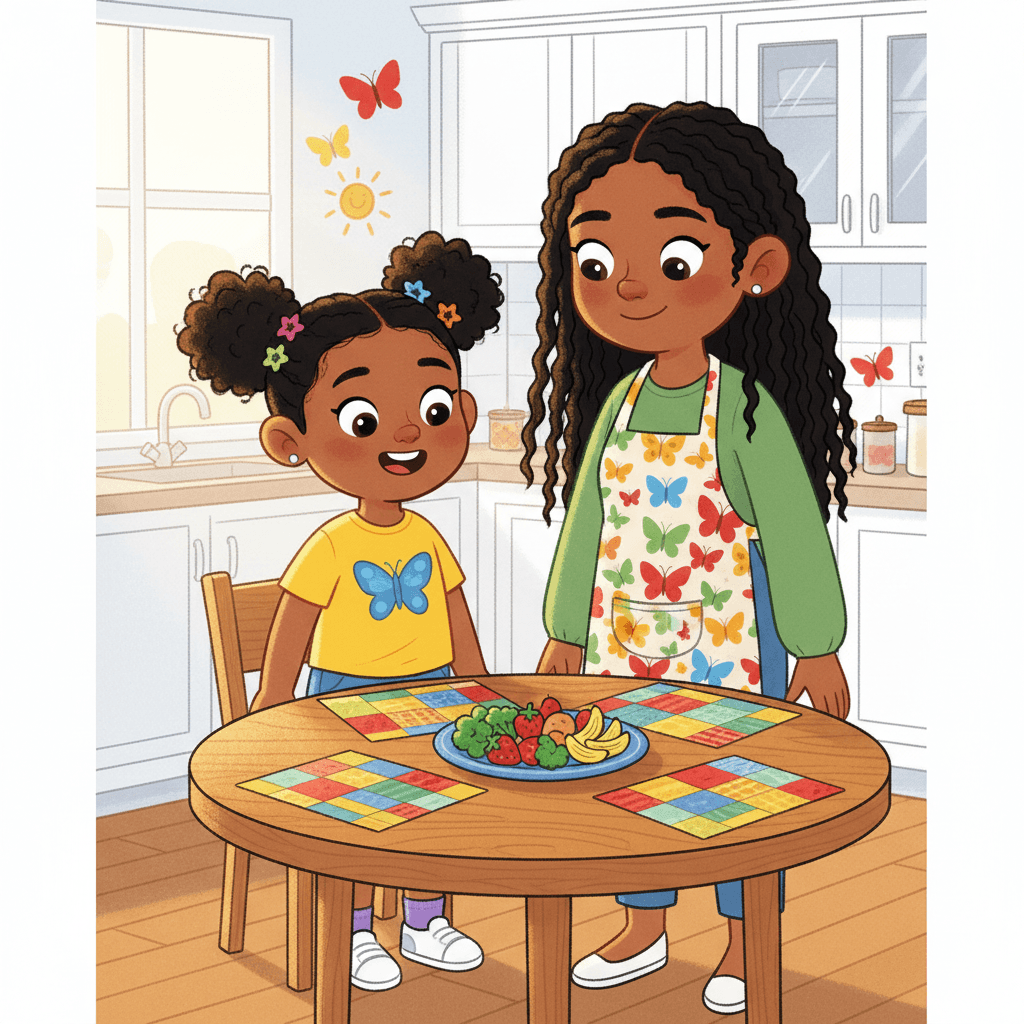
Trying New Foods with Aisha
Aisha discovers that trying new foods can be an adventure, with support from Mama. This story helps children understand why we try new foods and gives them strategies to feel brave during mealtime.