When Friends Play Without Me
Kai feels left out when friends start playing a game without including them, and learns how to join in and make new connections.
Free to read and print — no account required
Want this story in your inbox?
We’ll email you the link so you can read and print it whenever you need it. Free, and no account required.
One email with your story. We won’t pass your address on, and you can unsubscribe any time.
Read the Story
8 pages · 6 min read read
Show text
Read the Story
8 pages · 6 min read read
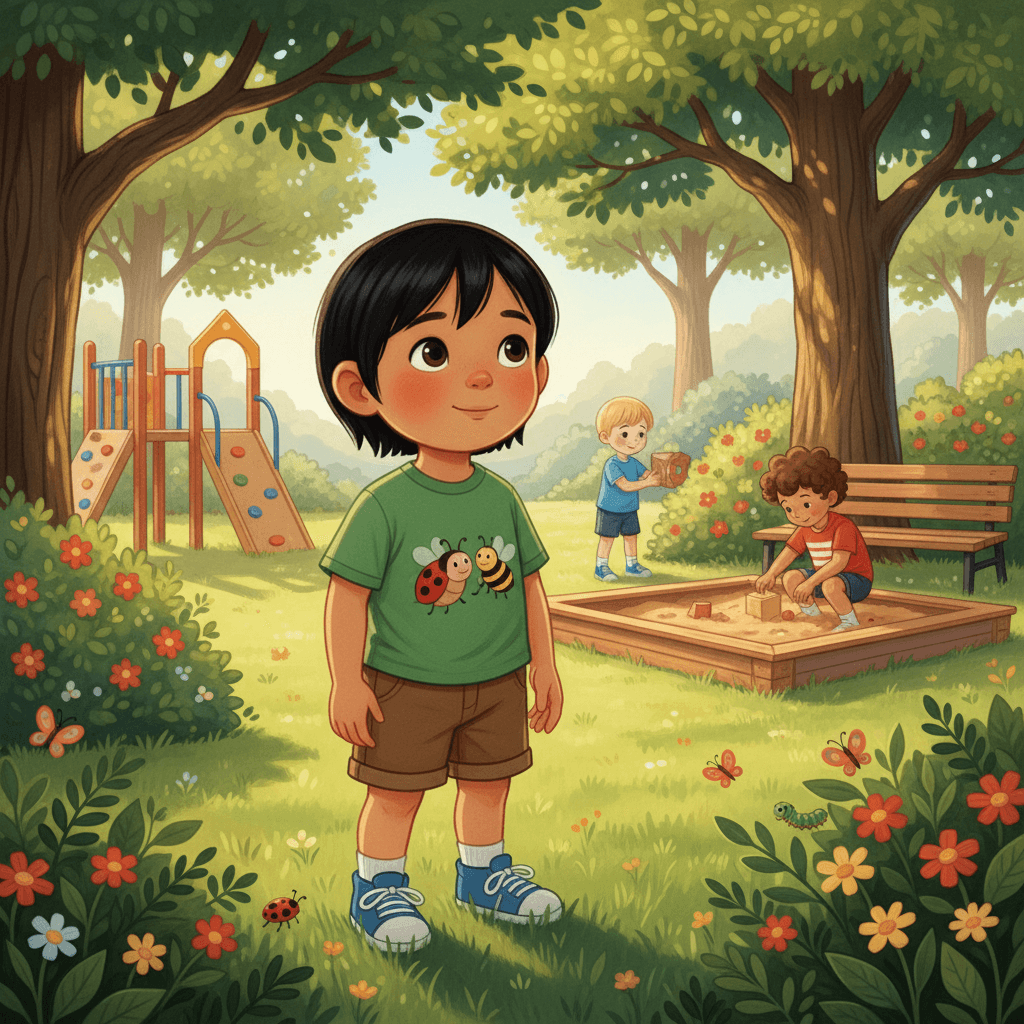
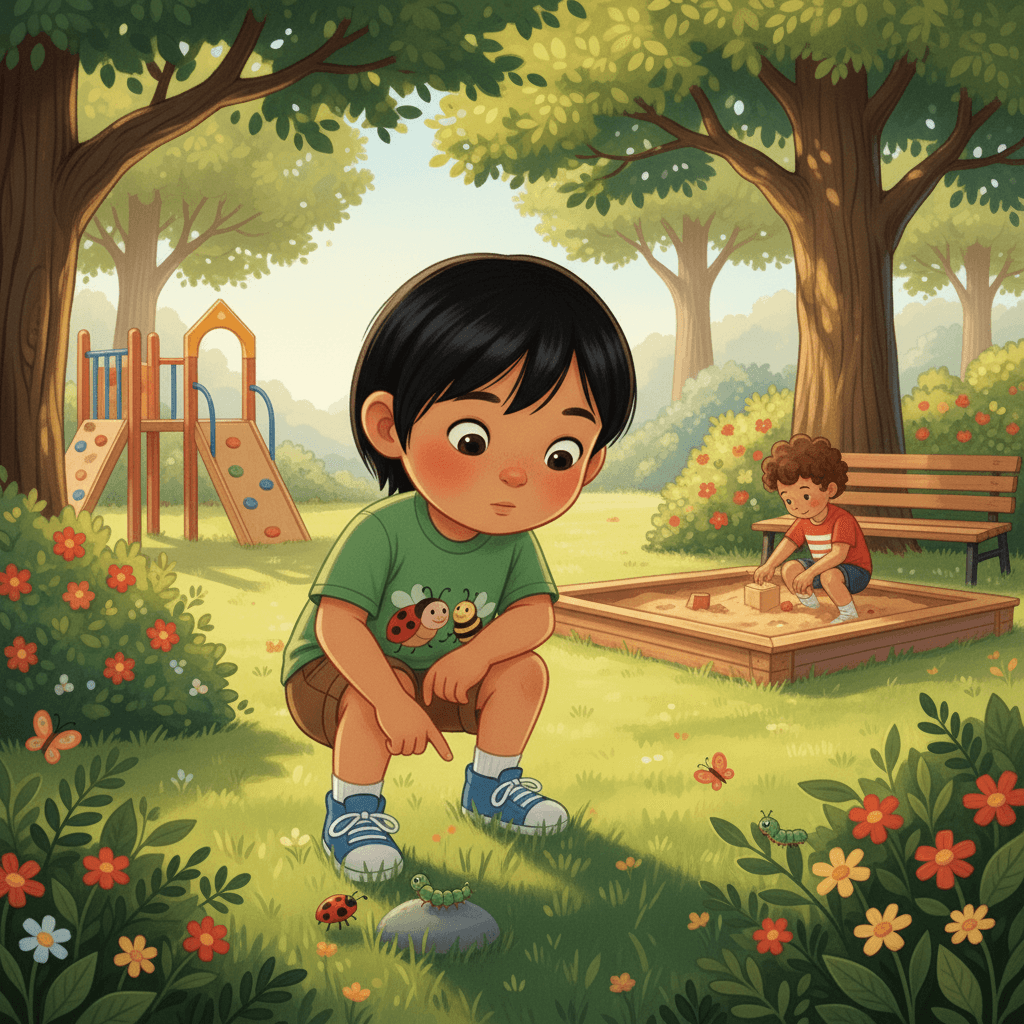
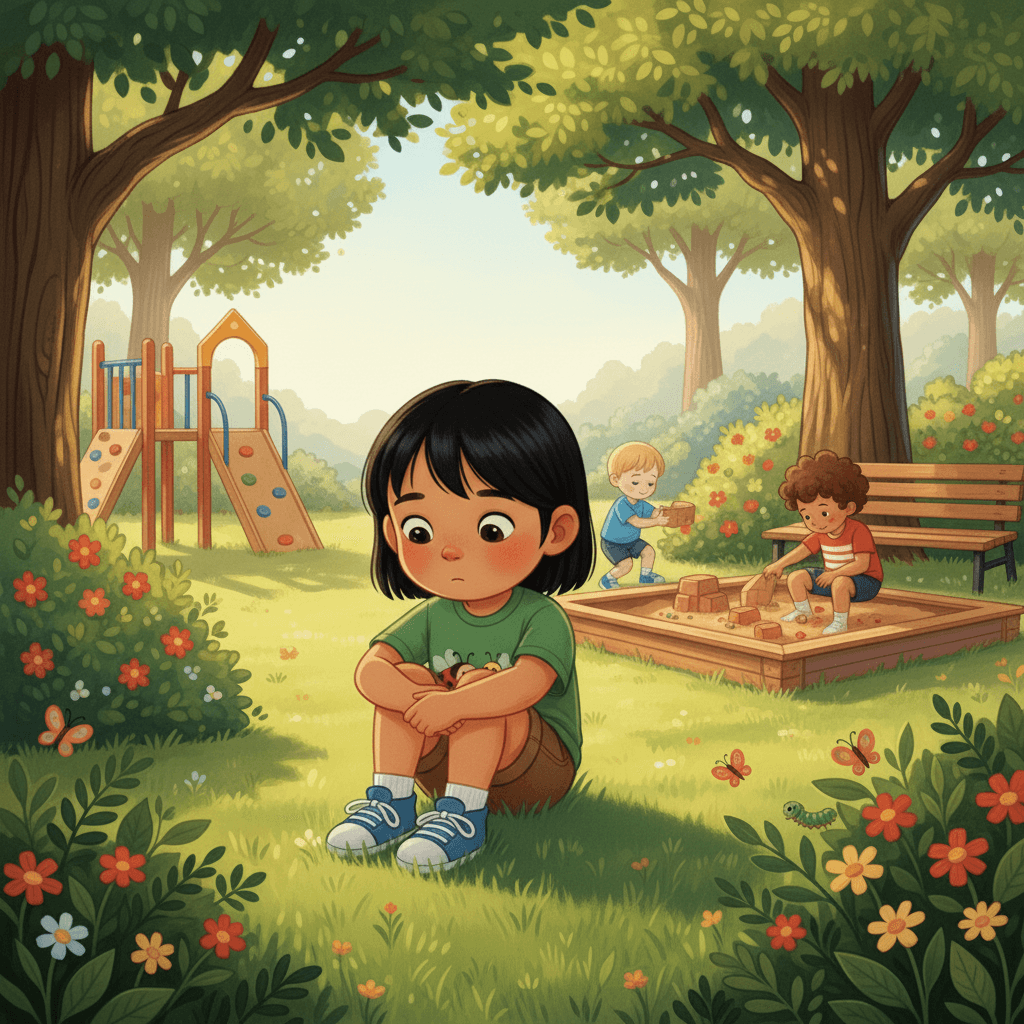
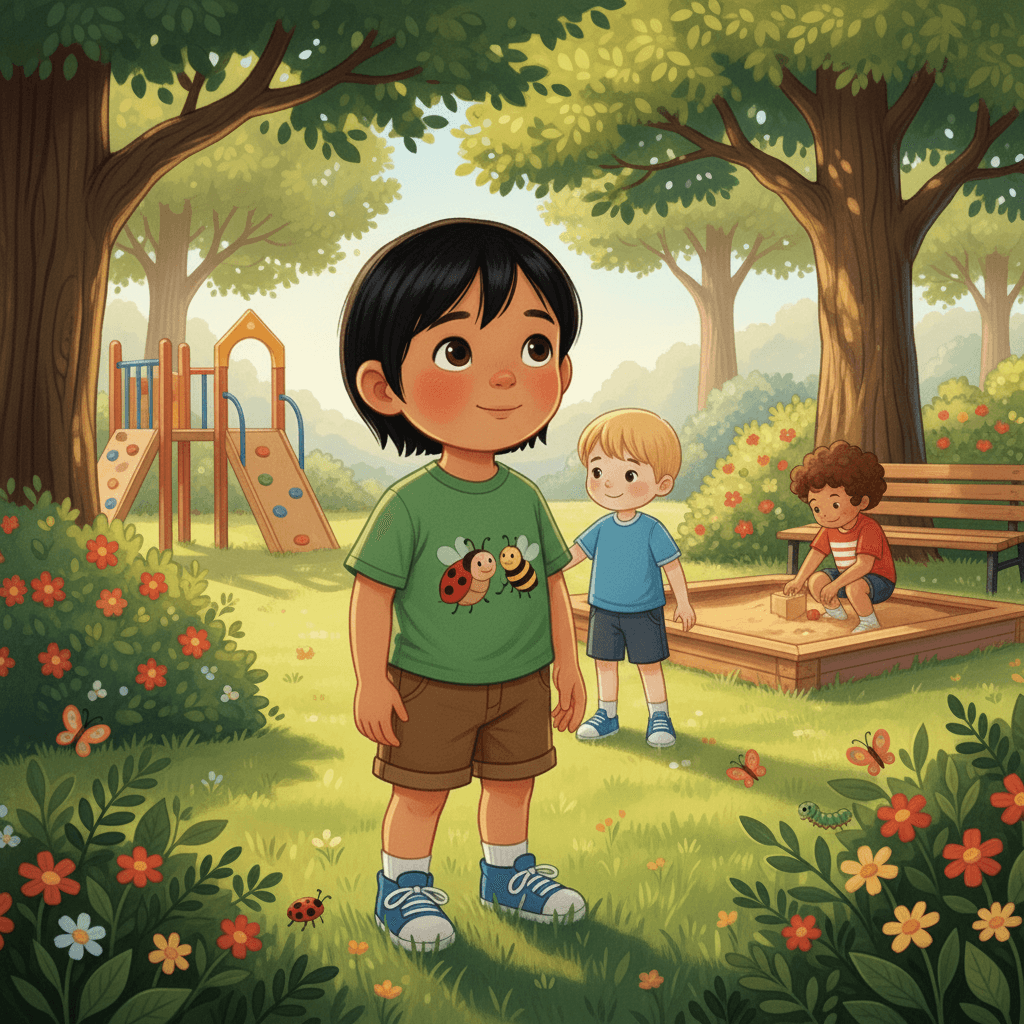
Today at recess, I was looking at the bugs near the bushes. I saw an ant carrying a leaf. I watched it walk across the ground.
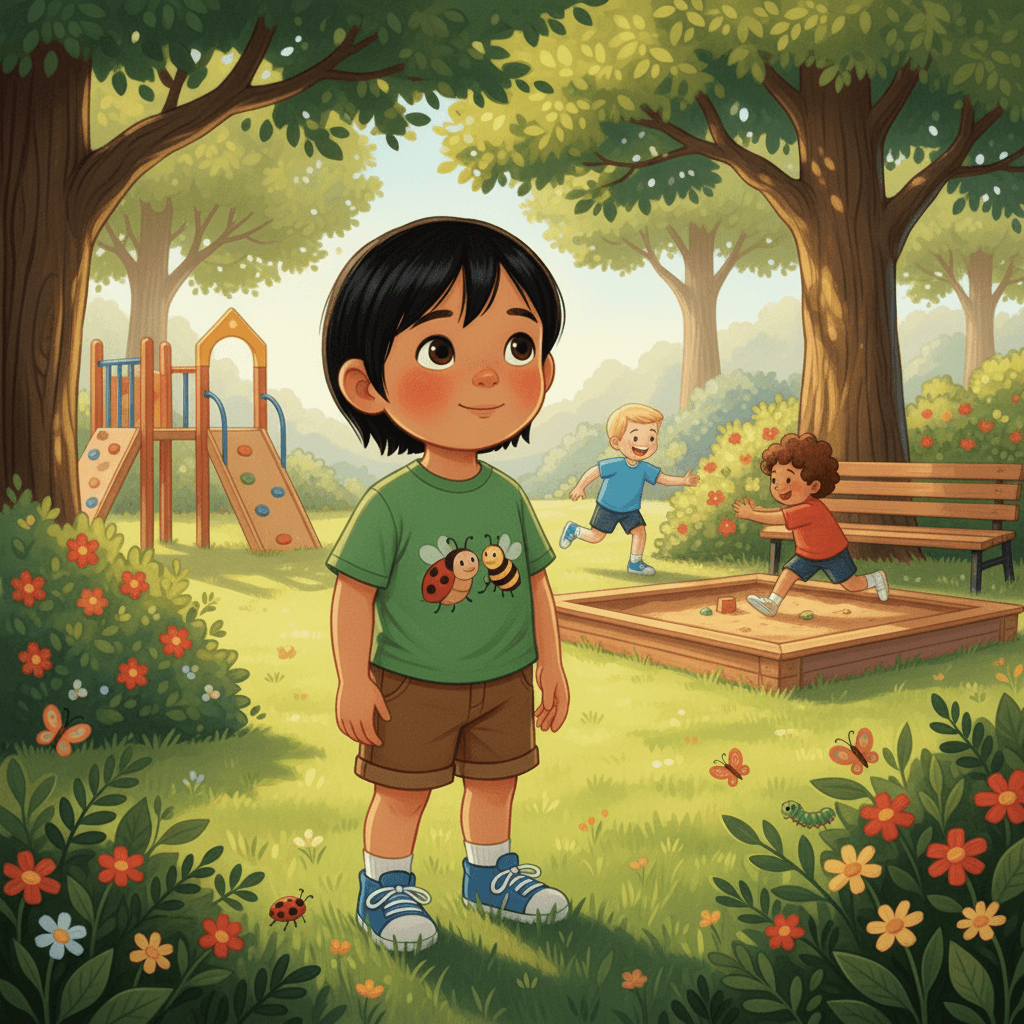
Alex and Jordan were playing tag near the climbing structure. They were running and laughing together. I thought about joining them.
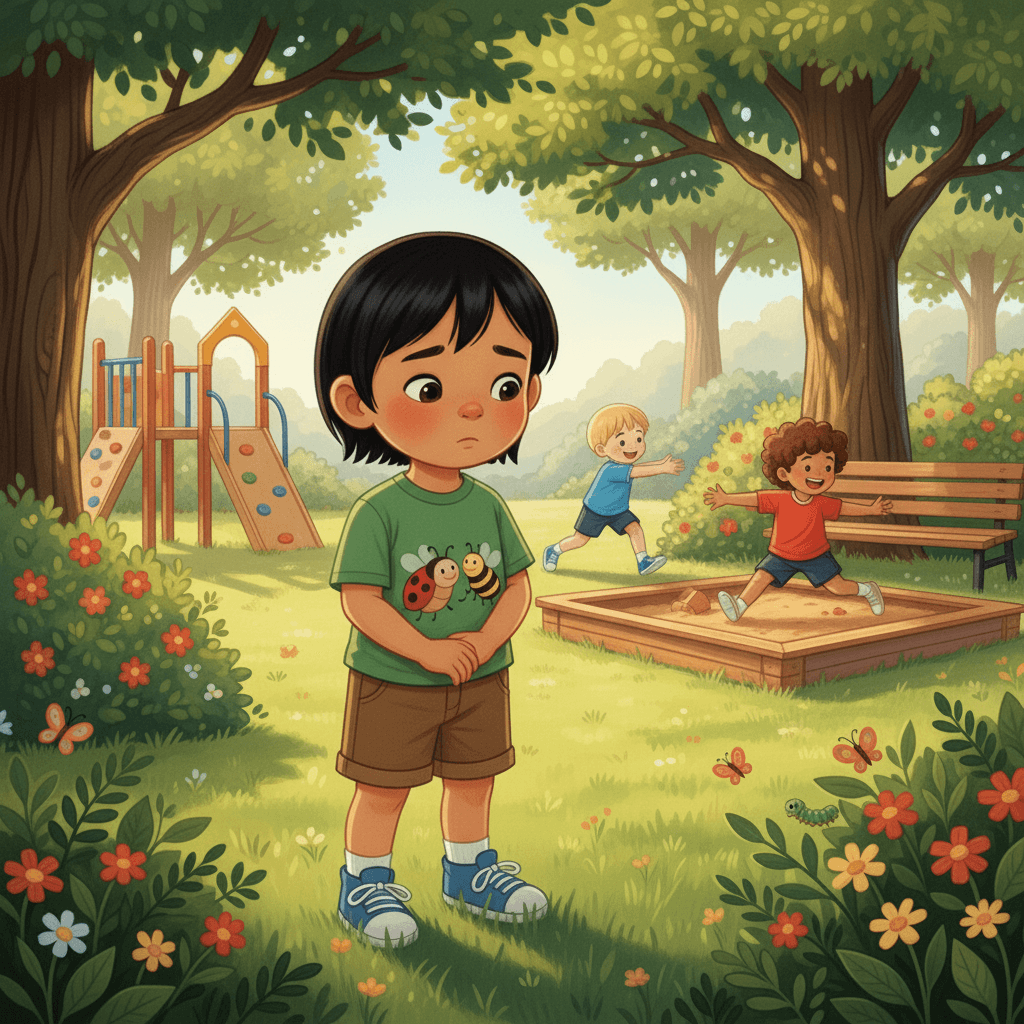
I walked over to them. Alex and Jordan kept playing their game. They did not ask me to play. I felt like they forgot about me, so I did not know if I should join in.
My stomach felt tight. My eyes felt warm. Being left out made my body feel uncomfortable because my chest felt heavy and my throat felt closed up.
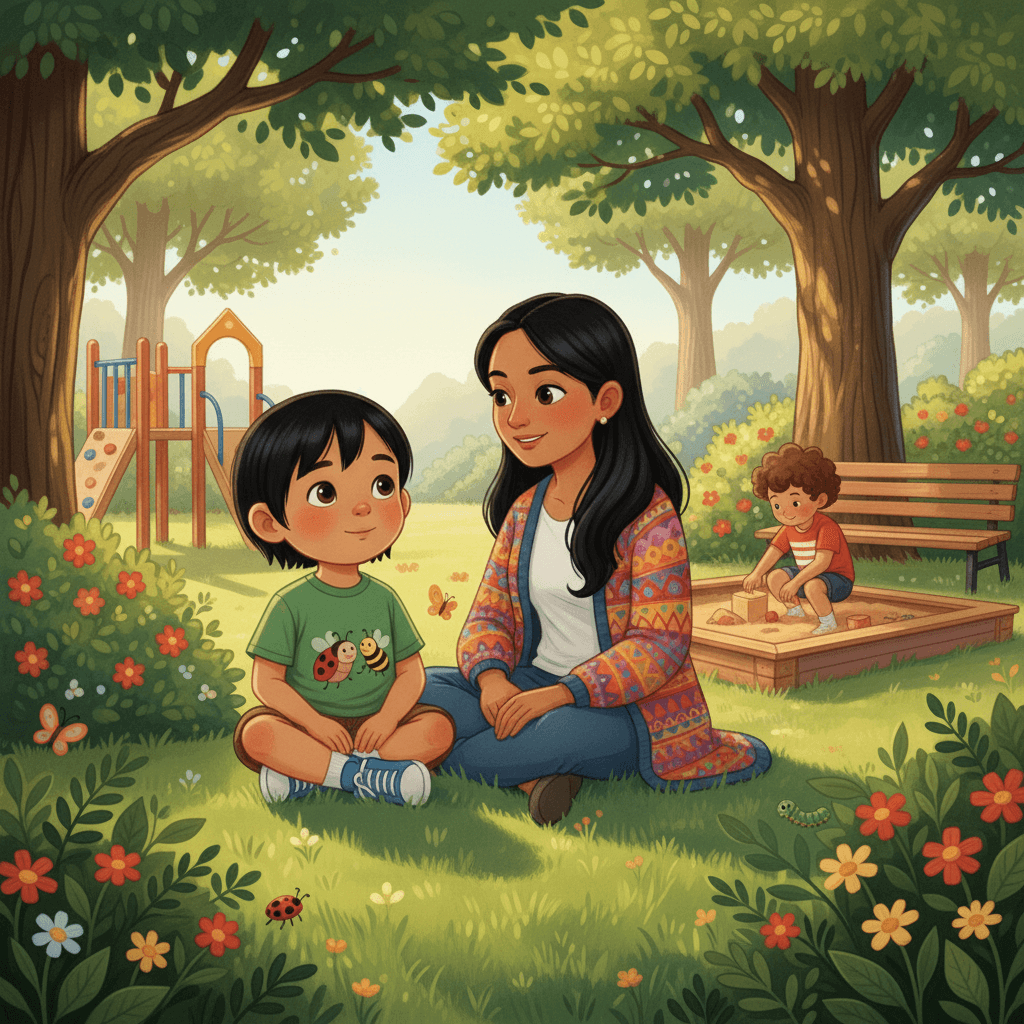
Ms. Patel came over. She sat down next to me. She said, "I see you sitting here alone. Do you want to tell me what is happening?"
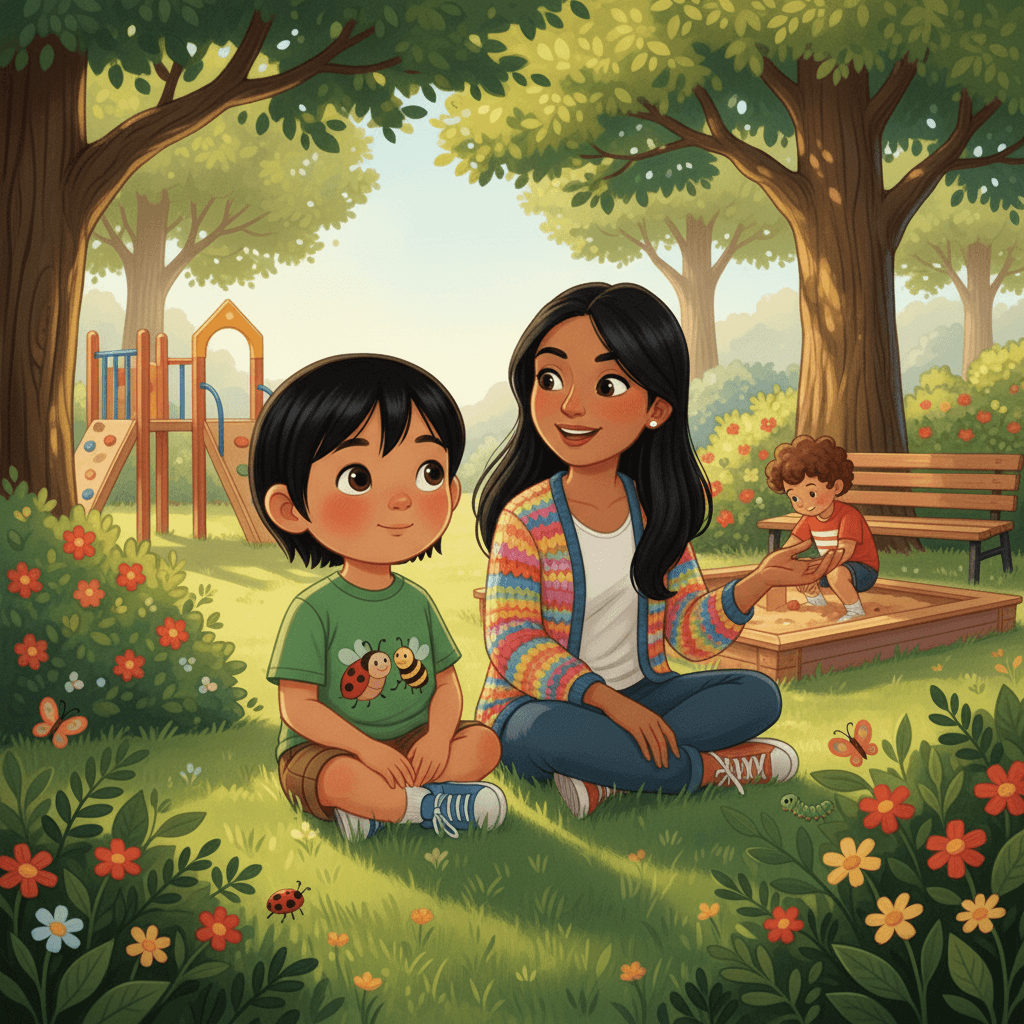
I told Ms. Patel that Alex and Jordan did not ask me to play. She said, "Sometimes friends do not know we want to play because we do not tell them. You can ask them to play, or you can start your own game." I asked her, "Will they say yes if I ask?" Ms. Patel said, "You can ask them so you find out what they will say."
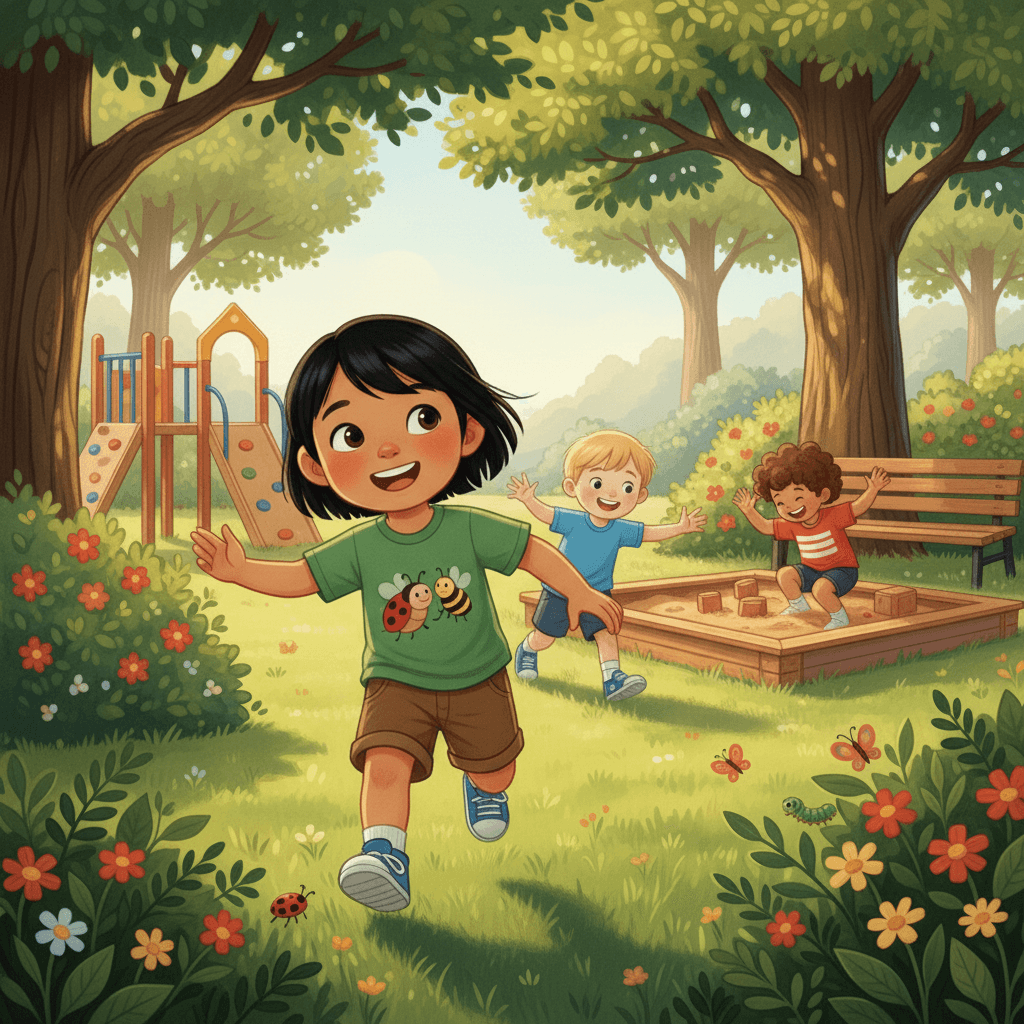
I stood up. I walked over to Alex and Jordan. I said, "Can I play tag with you?" Alex said yes. Now I was playing with my friends because asking them helped me join the game.
I learned that asking my friends to play was better than waiting alone. When I asked them, they wanted to play with me so that I could join their game. Now I know that using my words helps me join games with friends so I don't feel left out.
Social Story Methodology
Why This Story Works
"When Friends Play Without Me" directly addresses the anxiety spiral that happens when children with autism or social anxiety notice peers playing together and freeze—unable to distinguish between being actively excluded and simply not being noticed. By walking through the physical sensations (tight stomach, warm eyes, heavy chest), the story validates that these feelings are real while teaching that they're not a permanent state, and crucially, that there's a concrete action (asking) that can change the situation. This aligns with Carol Gray's core principle: social stories work best when they name the confusing social rule (friends may not know you want to play unless you tell them) and offer a specific, repeatable strategy.
Story Structure
How It's Written
Sentence Types
Voice & Perspective
Story Structure
Practical Guidance
Ways to Use This Story
Notice Body Signals First
Role-Play the Exact Words
Read Before Recess or Playdates
Validate the Uncomfortable Feeling
Want this story made just for your child?
Create a version with your child's name, appearance, and the specific details only they face — in minutes.
from $2.99 · no subscription · pay per story
More Social Skills Stories
Free to read and print
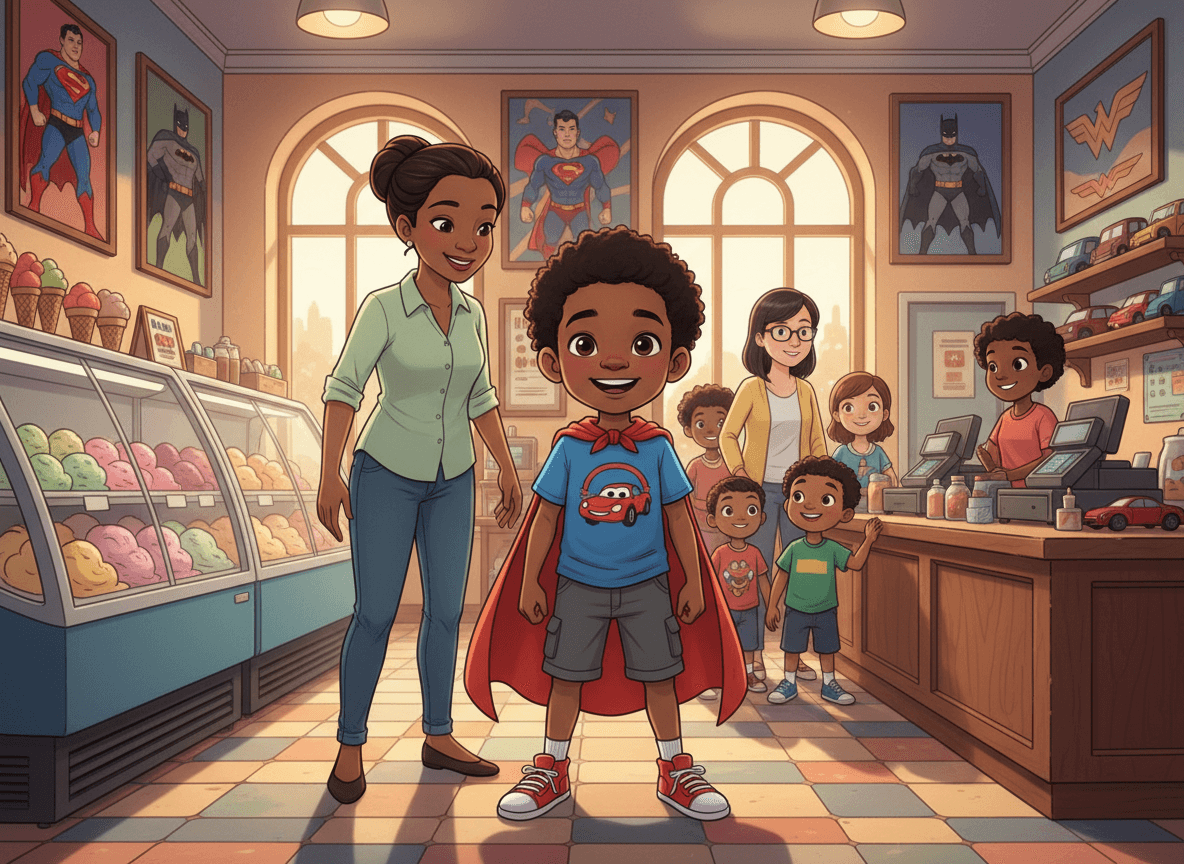
Waiting My Turn in Line
Marcus learns that waiting in line helps everyone get a turn, and discovers strategies to stay calm while waiting. Set at a superhero-themed ice cream shop, this story shows Marcus practicing patience and seeing why lines work.

Taking Turns With Friends
Priya learns that taking turns and sharing toys with classmates helps everyone have fun together and makes friendships stronger.
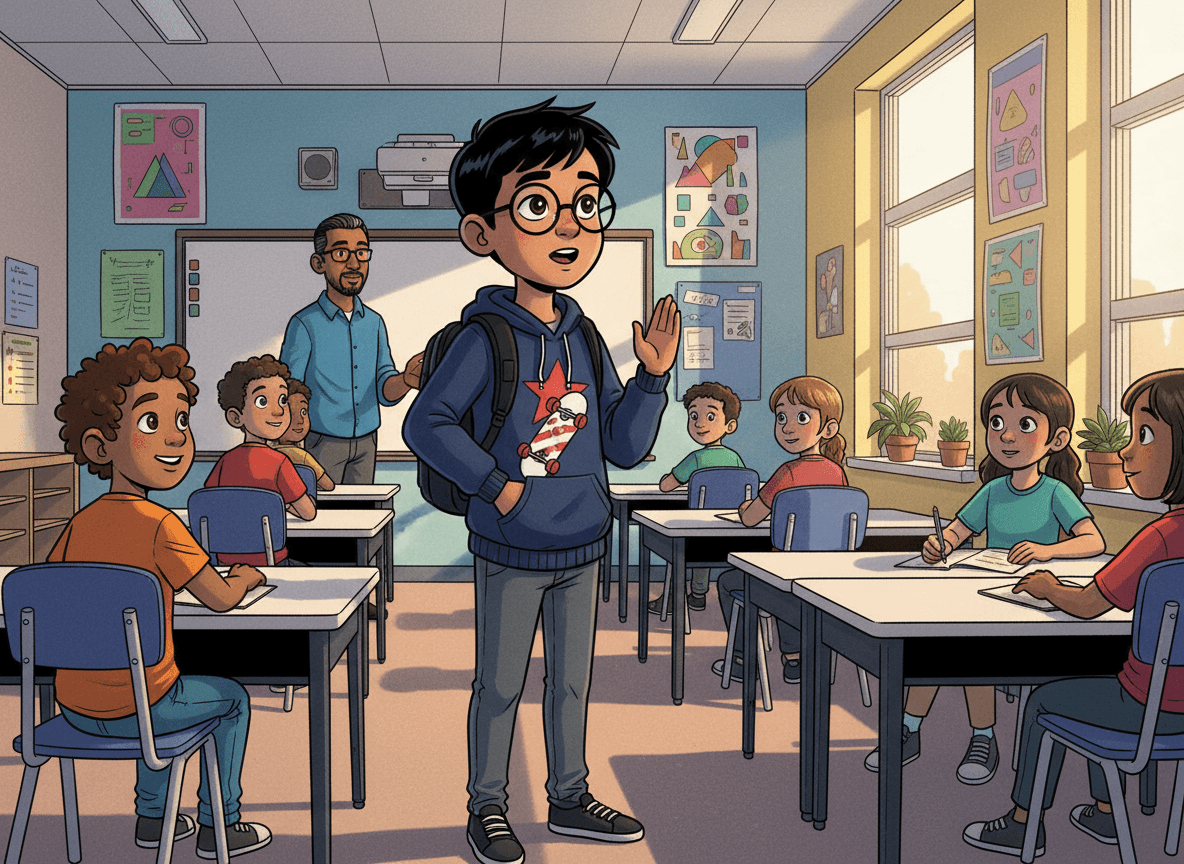
Respect and Manners in Action
Kai learns how good manners and respectful communication help build stronger friendships and positive relationships with peers and adults. This story explores the 'why' behind courtesy and shows how these skills connect to Kai's interests.