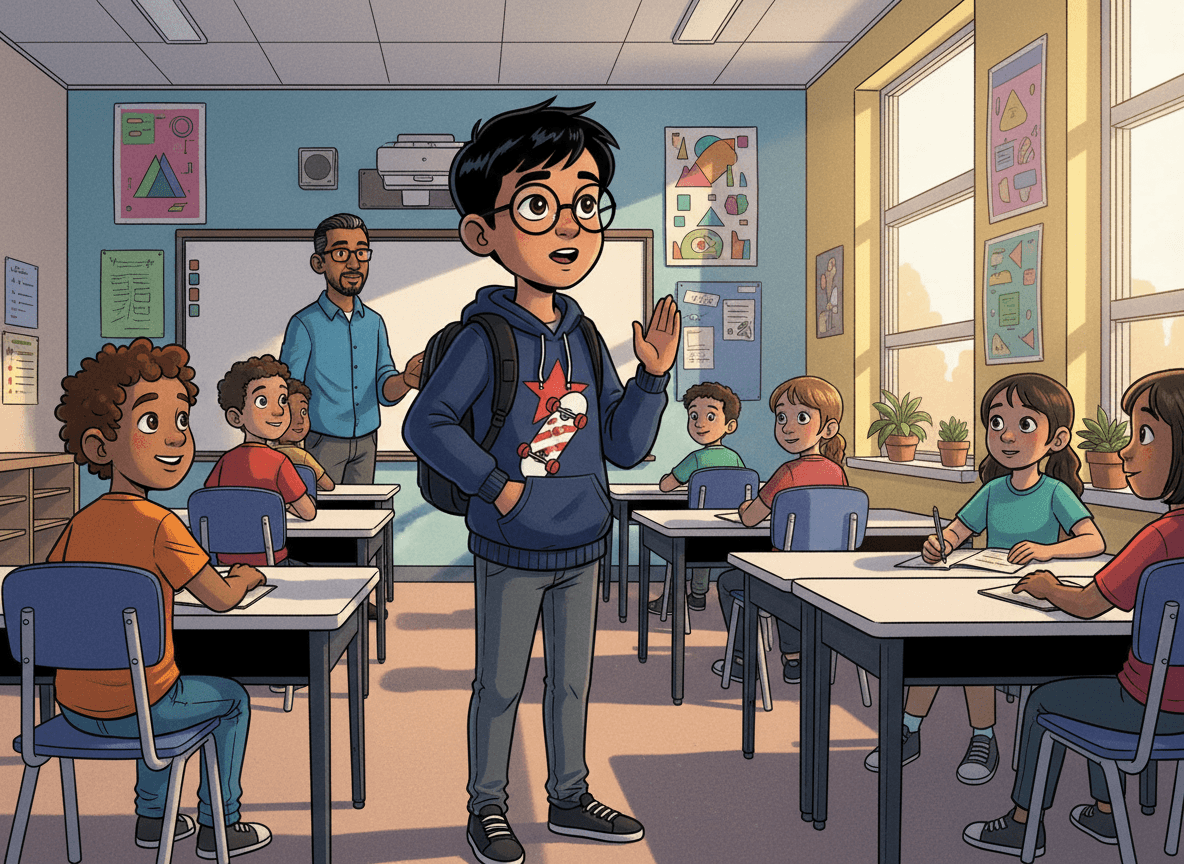
Respect and Manners in Action
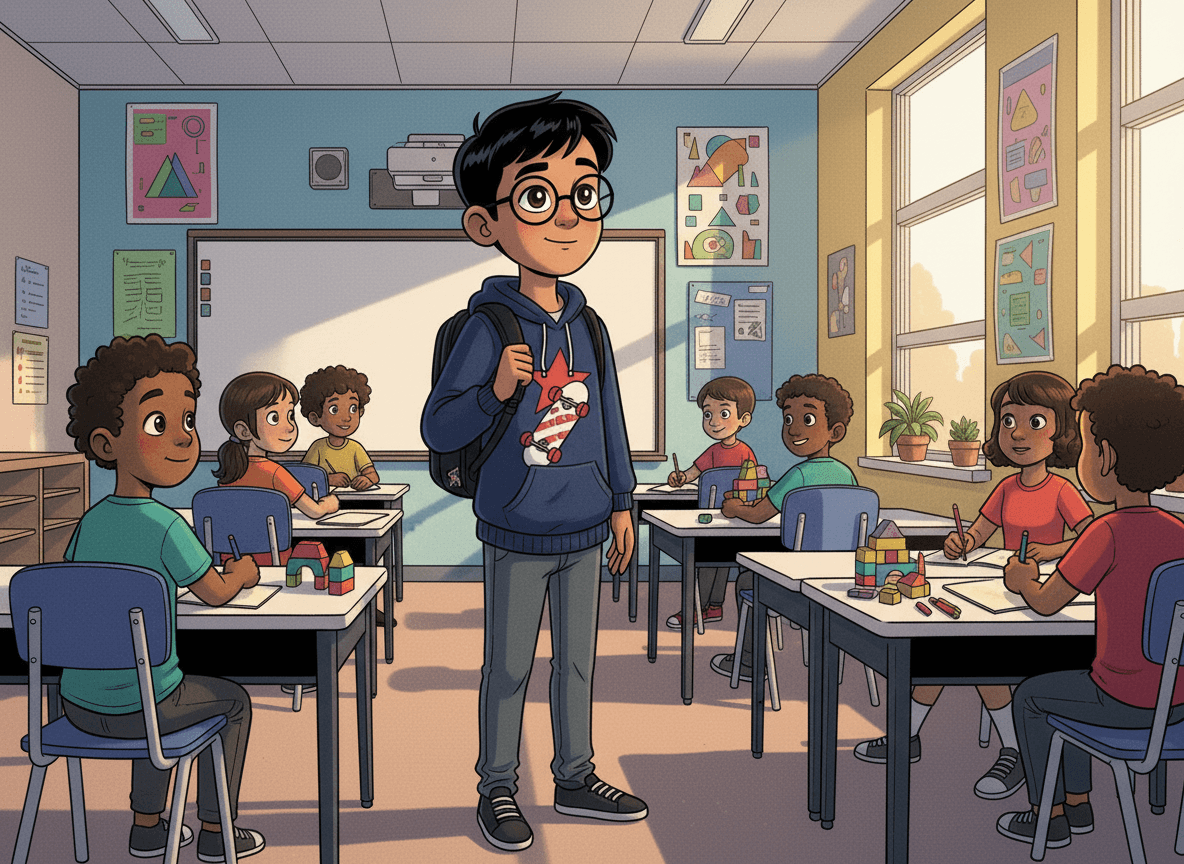
Kai learns how good manners and respectful communication help build stronger friendships and positive relationships with peers and adults. This story explores the 'why' behind courtesy and shows how these skills connect to Kai's interests.
Free to read and print — no account required
Read the Story
8 pages · 6 min read read
Show text
Read the Story
8 pages · 6 min read read
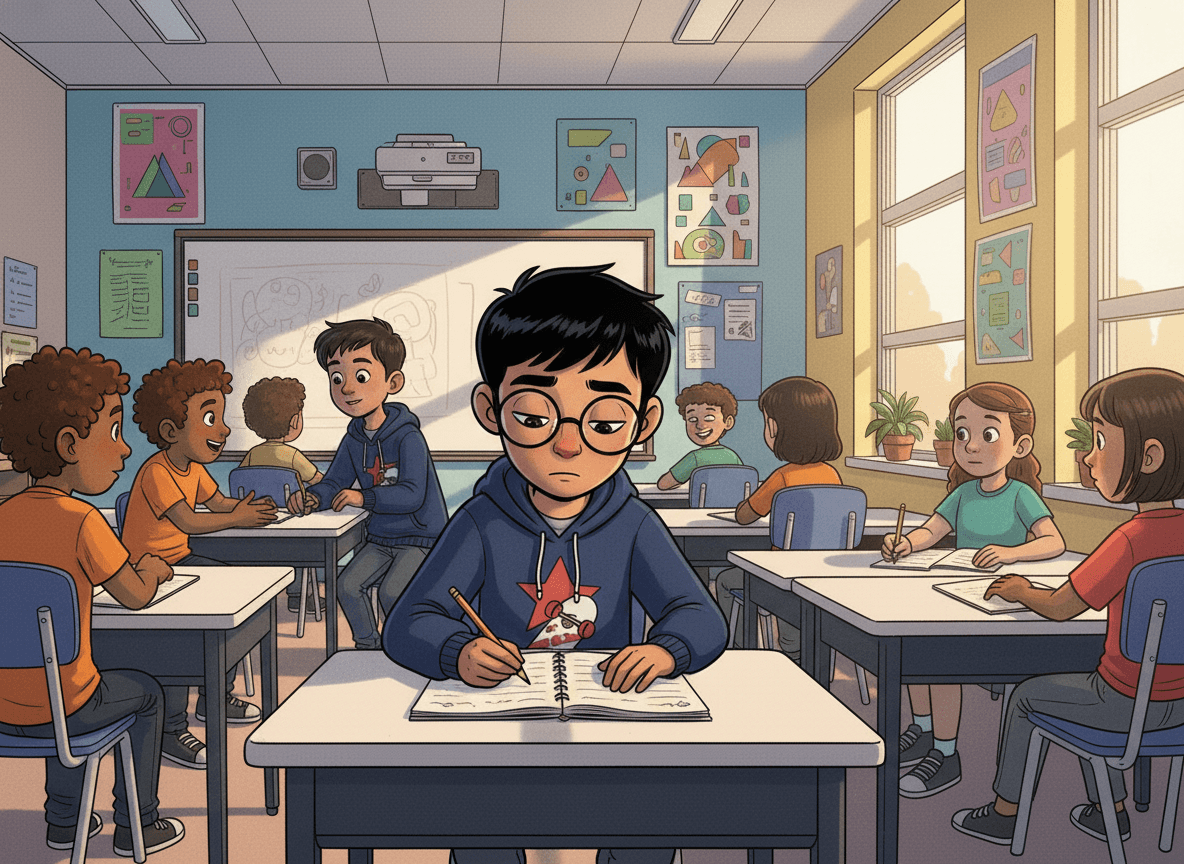
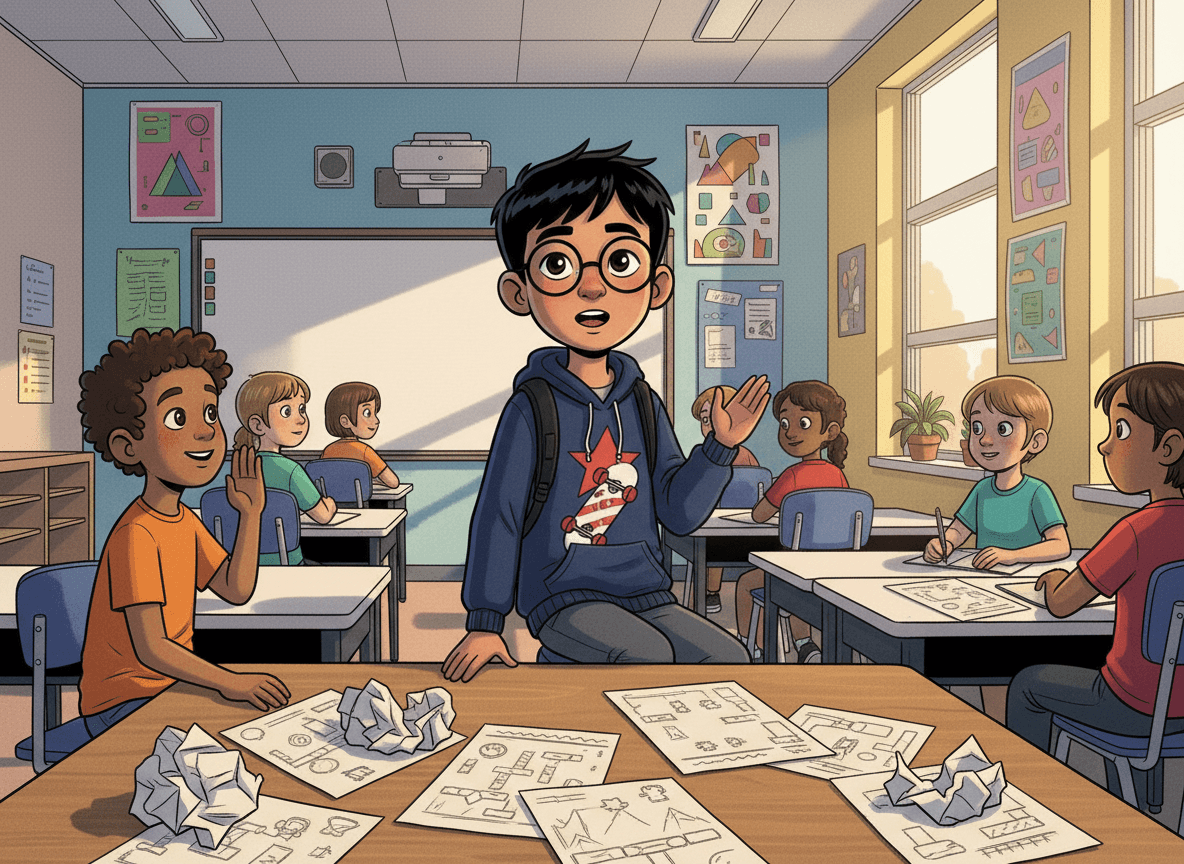
My name is Kai, and I'm learning about respect and good manners. Respect means treating people the way I want to be treated, and good manners are the words and actions that show I care about how others feel. When I use good manners and show respect, people around me feel valued and important, which makes them want to spend time with me and help me when I need it. I'm going to explore what this looks like in my daily life.
Good manners include words like 'please,' 'thank you,' and 'excuse me.' I use these words because they tell people that I recognize their effort and appreciate what they do for me. When I say 'please' when asking for something, the other person understands that I'm being polite and respectful, so they're more likely to help me. When I say 'thank you,' people feel good about what they've done, and they're more willing to help me again in the future.
Listening is an important part of showing respect. When someone is talking to me, I listen by facing them, making eye contact, and not interrupting. I listen because it shows the person that what they're saying matters to me, and that I value their thoughts and feelings. When I interrupt or look away, people feel like I don't care about what they're saying, which can hurt their feelings and make them less likely to want to talk with me.
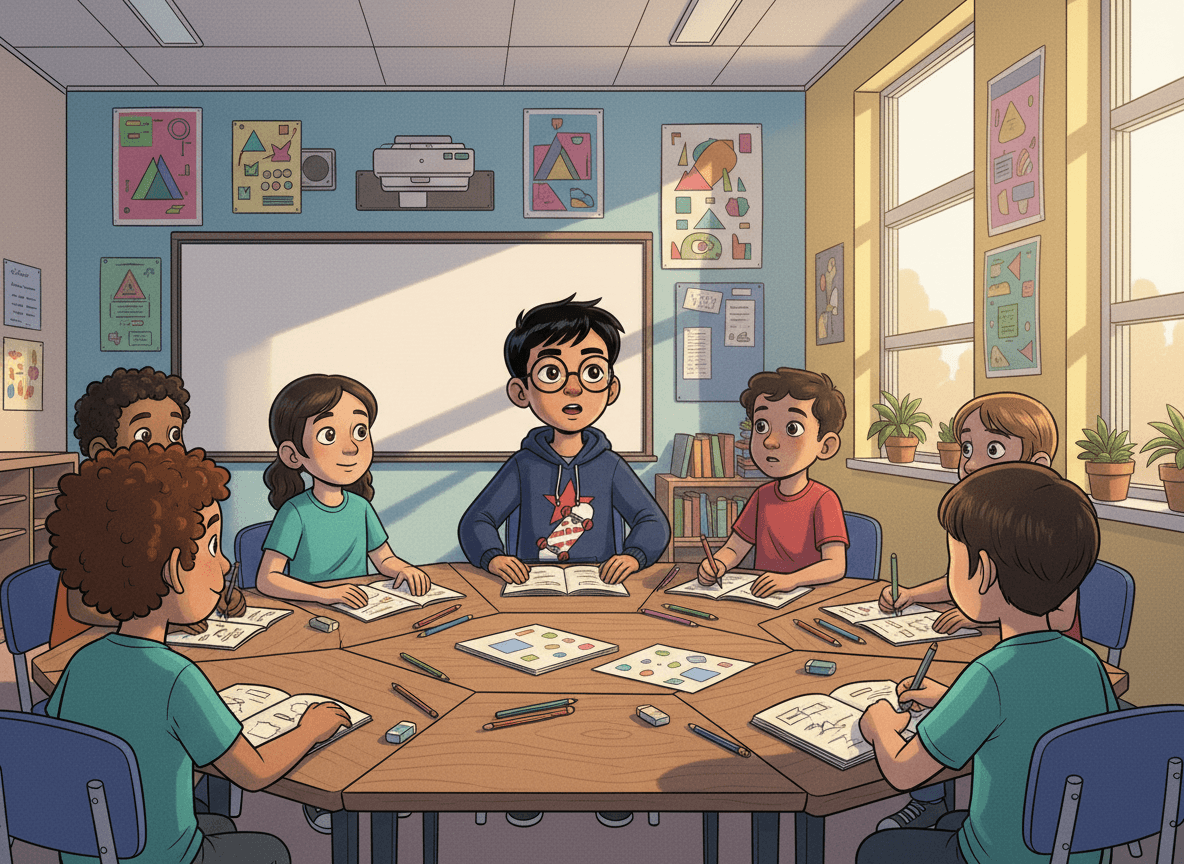
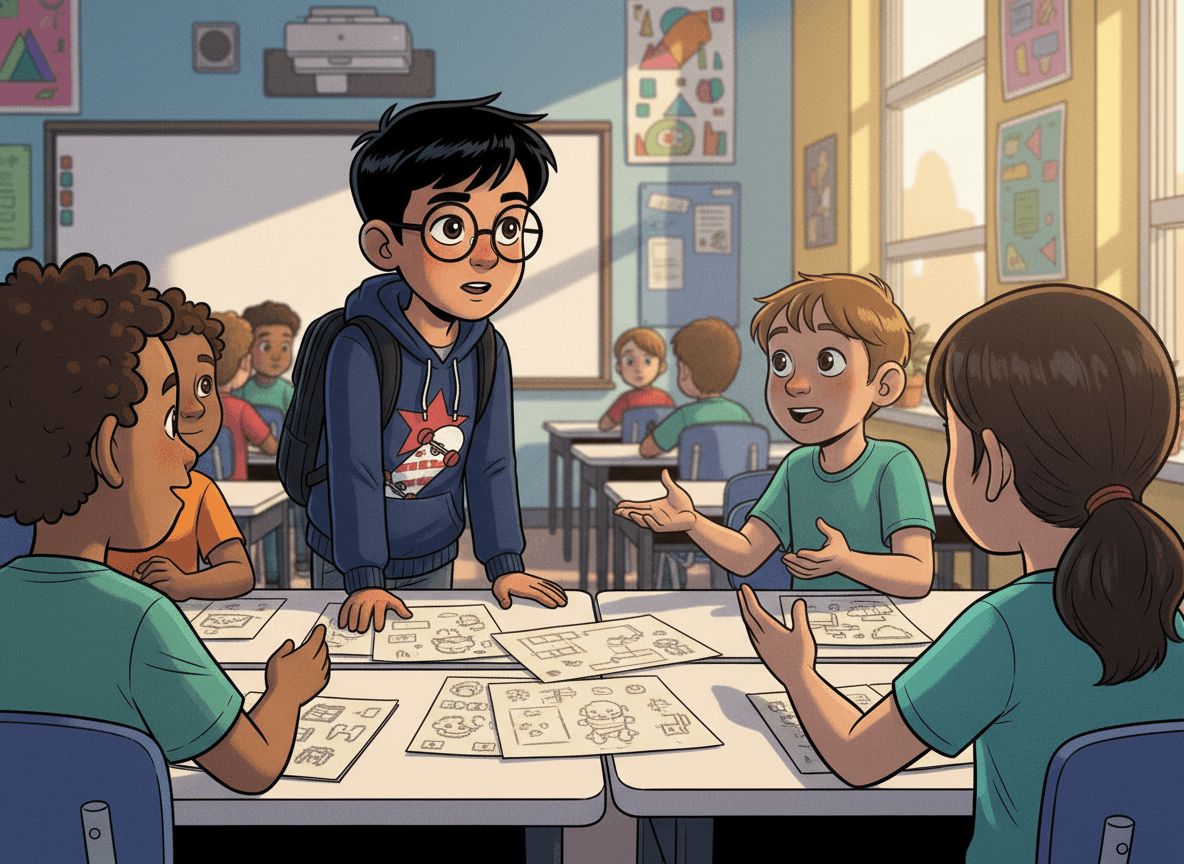
Sometimes I disagree with my friends or adults in my life. I can respectfully disagree by saying things like, 'I see what you mean, but I think differently' or 'I understand your point, and here's another way to look at it.' I use respectful language when disagreeing because it keeps the other person from feeling attacked or disrespected, so they stay open to hearing my ideas instead of getting defensive. When I'm rude or dismissive during a disagreement, people shut down and stop listening to me.
Respecting personal space is another way I show good manners. I notice when someone seems uncomfortable with how close I'm standing, and I give them more space. I respect people's personal space because everyone has a comfort zone, and when I respect that zone, they feel safe and relaxed around me. When I stand too close or touch someone without permission, they feel uncomfortable and may avoid spending time with me.
When I make a mistake, I apologize sincerely. I say something like, 'I'm sorry for [specific action]. I understand that it made you feel [how they felt], and I'll try to do better next time.' I apologize because it shows the other person that I recognize my mistake and care about their feelings, which helps repair the relationship. When I ignore my mistakes or make excuses, people feel like I don't take responsibility, and trust between us breaks down.
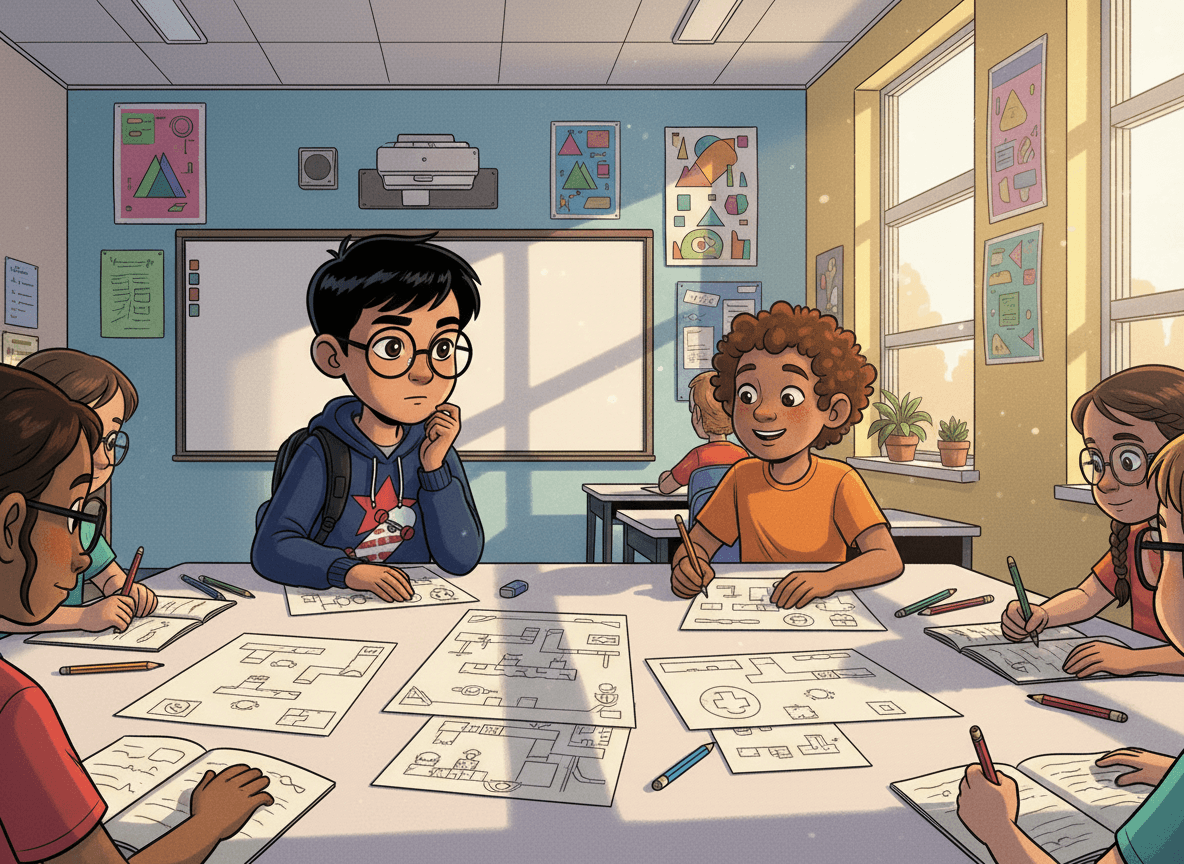
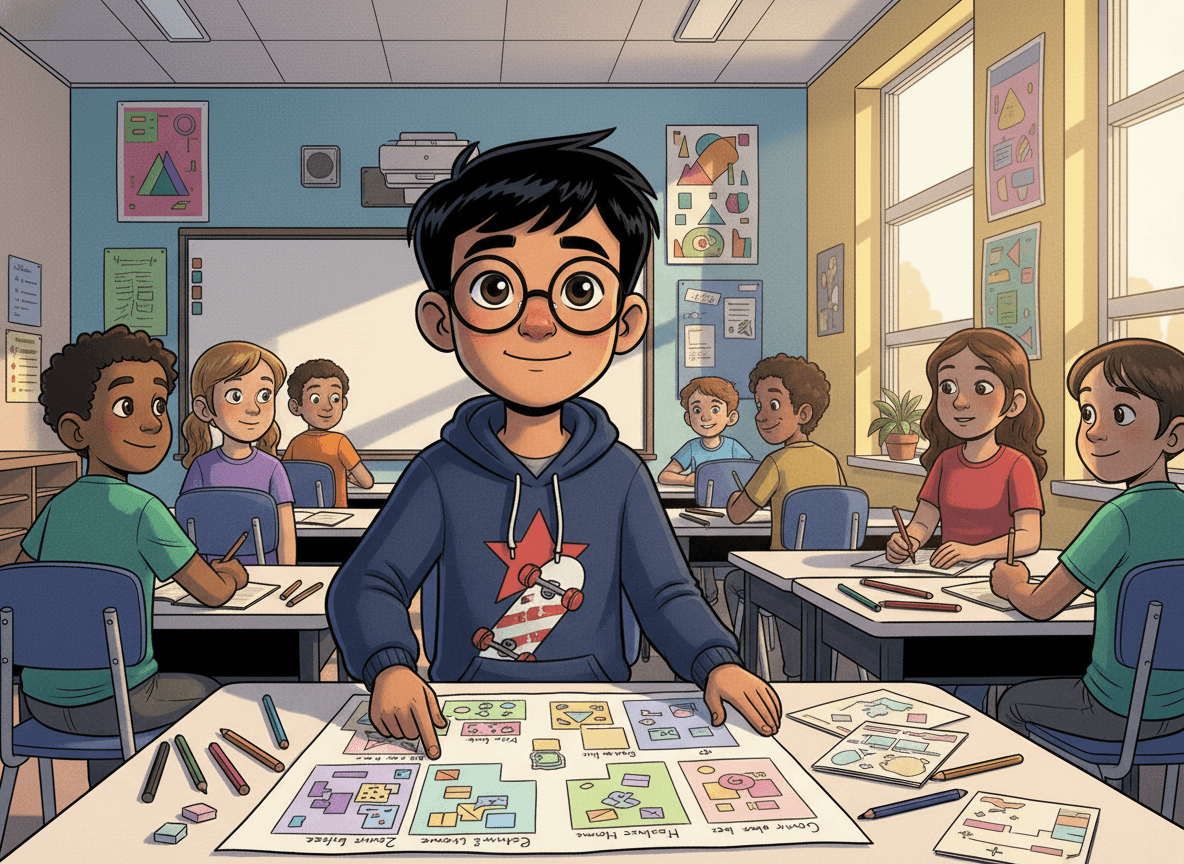
I practice these skills in different situations—at school, at home, and when I'm with friends. Just like learning a new level in a video game, practicing respect and good manners helps me get better at them. I notice that when I use good manners and show respect, people treat me with respect in return, and our interactions feel smoother and more enjoyable. The more I practice, the more natural these skills become.
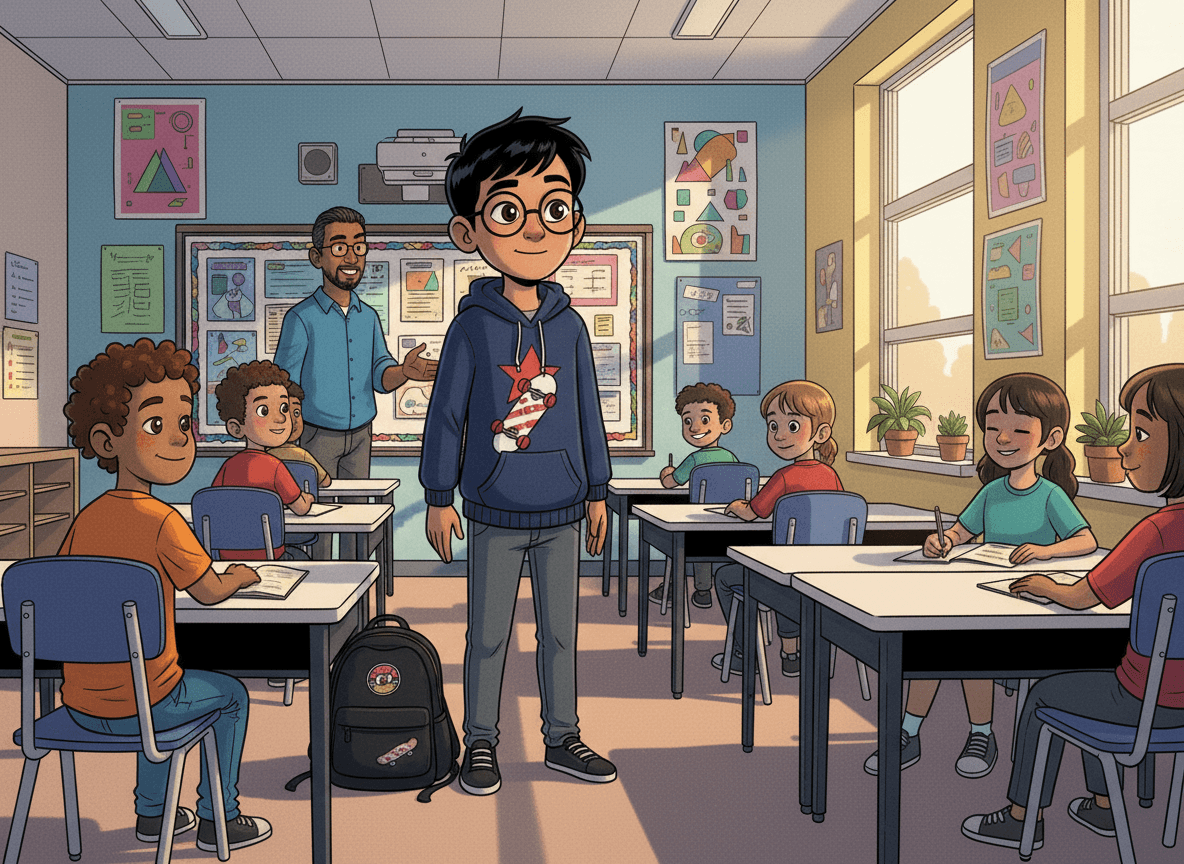
Using good manners and showing respect is a way of telling people that they matter to me. When I treat others with kindness and consideration, I create positive relationships that make my life better. I'm proud of myself when I remember to listen carefully, use polite words, and treat people the way I want to be treated. These skills help me be the kind of friend and person I want to be.
Social Story Methodology
Why This Story Works
This story breaks respect and manners into concrete, observable behaviors—saying 'please,' making eye contact, respecting personal space—which helps children with autism and ADHD understand the 'why' behind social expectations, not just the rules. Carol Gray's methodology emphasizes that children learn best when they understand the perspective and feelings of others, and this story explicitly connects each action (like listening without interrupting) to how it makes the other person feel, building empathy alongside skill-building. The video game metaphor on Page 7 also normalizes practice and progression, reducing anxiety about 'getting it wrong' by framing social skills as learnable, improvable abilities.
Story Structure
How It's Written
Sentence Types
Voice & Perspective
Story Structure
Practical Guidance
Ways to Use This Story
Role-Play the Disagreement Scripts
Name the Feeling Connection
Practice Across All Three Settings
Video Record Apology Practice
Create a Personal Space Visual
Want this story made just for your child?
Create a version with your child's name, appearance, and the specific details only they face — in minutes.
from $2.99 · no subscription · pay per story
More Social Skills Stories
Free to read and print
When Friends Play Without Me
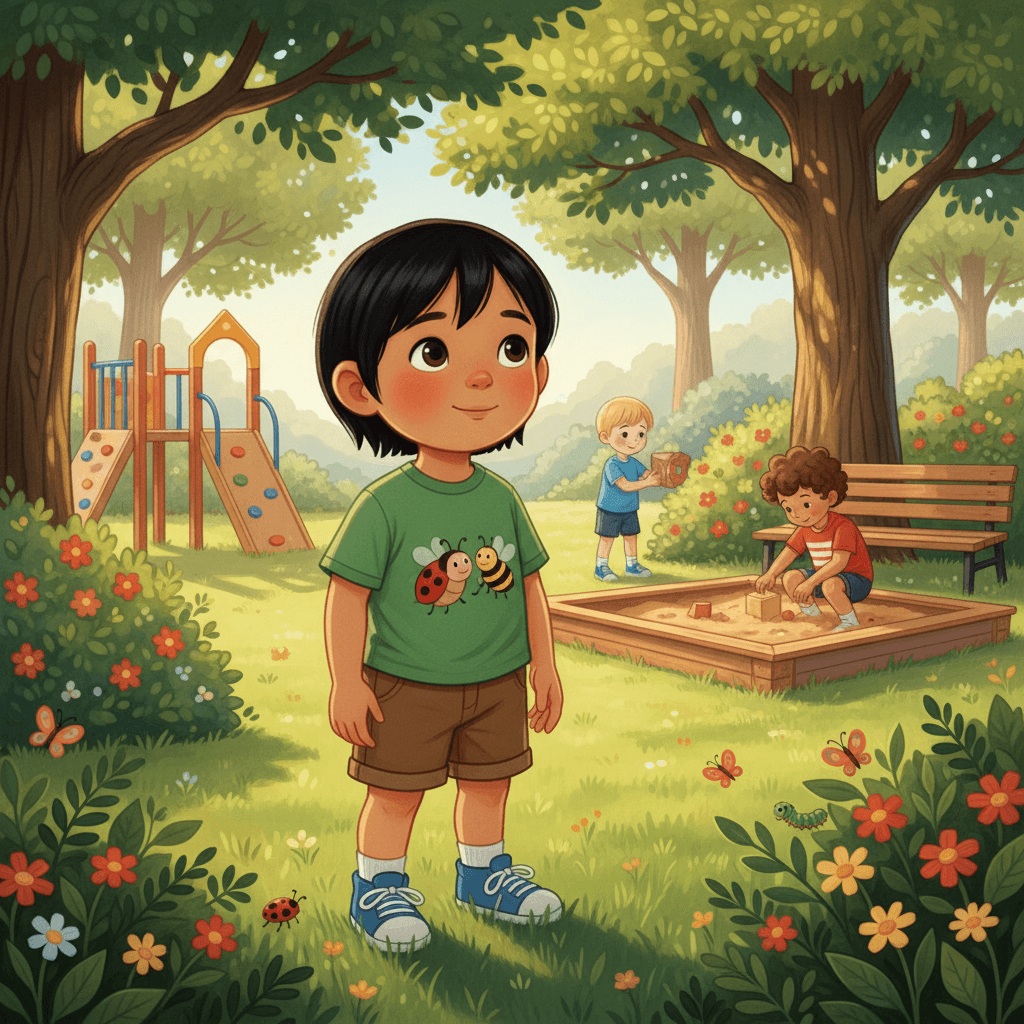
Kai feels left out when friends start playing a game without including them, and learns how to join in and make new connections.
Waiting My Turn in Line
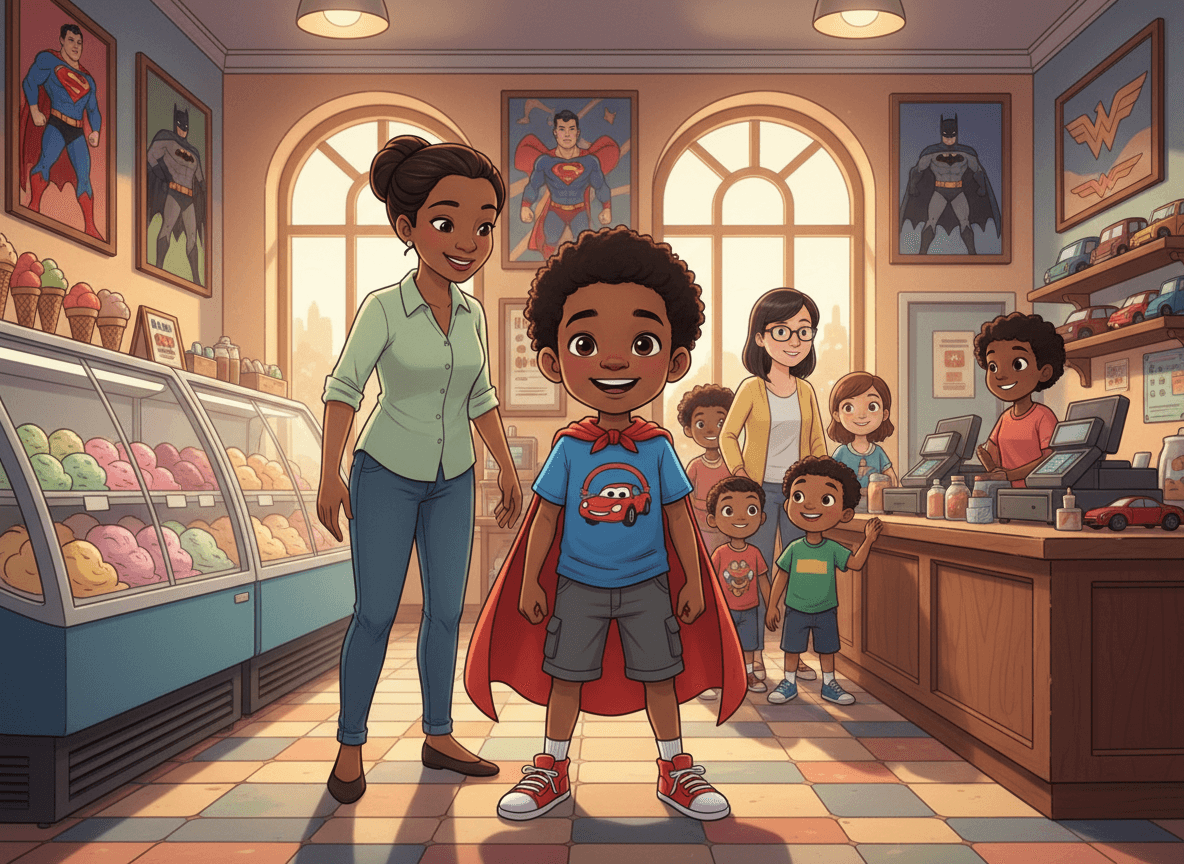
Marcus learns that waiting in line helps everyone get a turn, and discovers strategies to stay calm while waiting. Set at a superhero-themed ice cream shop, this story shows Marcus practicing patience and seeing why lines work.
Taking Turns With Friends
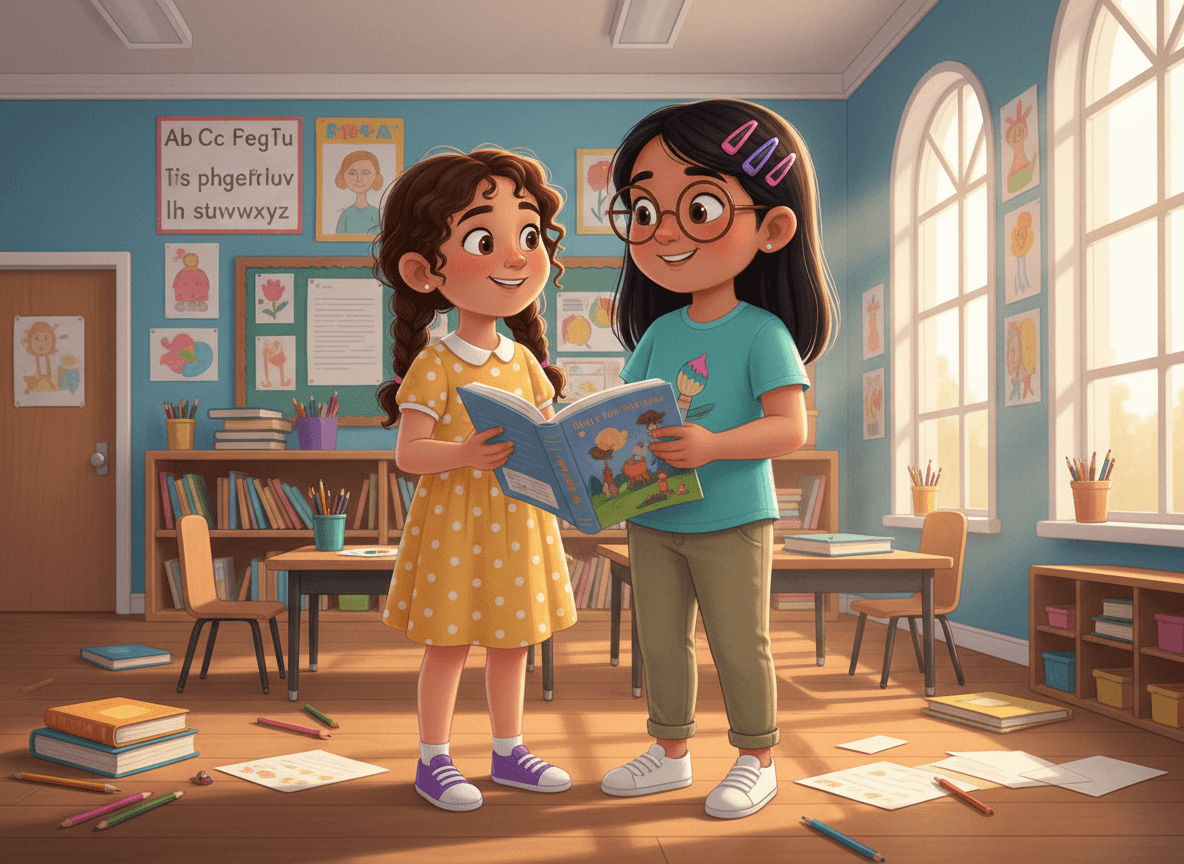
Priya learns that taking turns and sharing toys with classmates helps everyone have fun together and makes friendships stronger.