Saying Sorry When I Make a Mistake
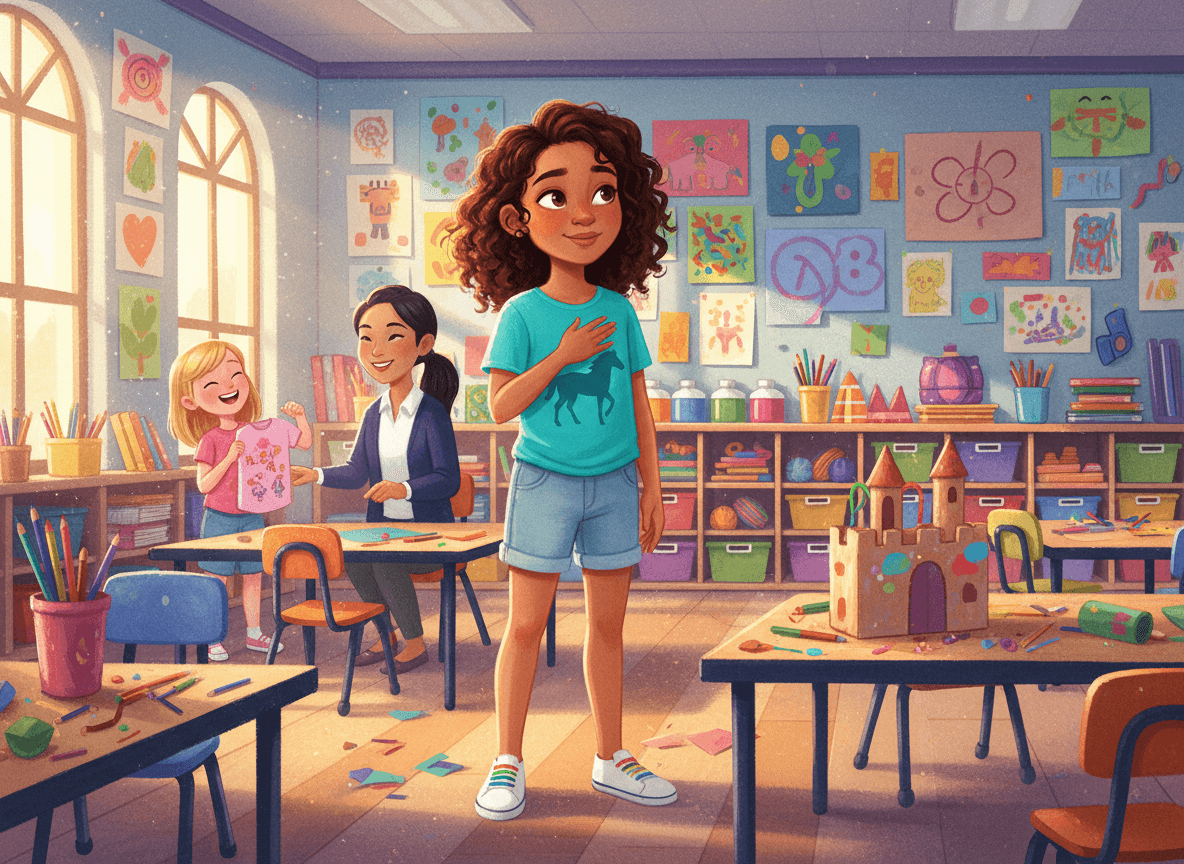
Sofia accidentally breaks her friend's craft project and learns how saying sorry—and meaning it—helps fix friendships. This story shows the specific steps of apologizing and why it matters.
Free to read and print — no account required
Want this story in your inbox?
We’ll email you the link so you can read and print it whenever you need it. Free, and no account required.
One email with your story. We won’t pass your address on, and you can unsubscribe any time.


Read the Story
6 pages · 5 min read read
Show text
Read the Story
6 pages · 5 min read read
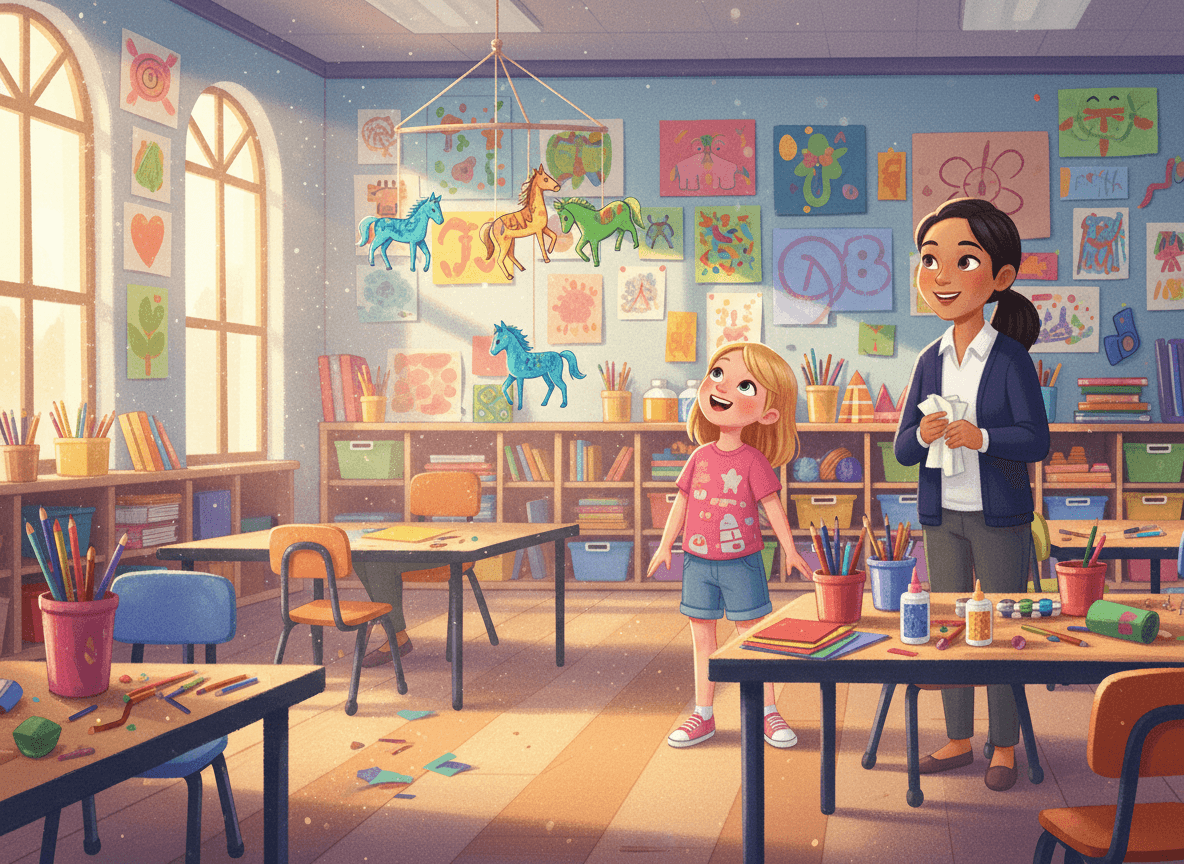
Today at school, Emma and I were working on a craft project together. We were making a beautiful horse mobile with paper and paint. I felt happy as I helped cut out the horse shapes.
Then I reached for the paint bottle to add color to the horses. But my elbow bumped the table. The paint bottle tipped over and spilled all over Emma's beautiful horse mobile. I felt my face get warm and my stomach feel tight.
Emma looked at her mobile. The paint had dripped on all the horses she worked so hard on. She looked sad. I knew I had made a mistake, and I felt terrible because I made my friend unhappy. I understood that Emma felt disappointed because her hard work got ruined.
I took a deep breath and looked at Emma. I said, 'Emma, I'm sorry I spilled the paint on your mobile. I didn't mean to, but I know I made a mistake and it hurt your feelings because you worked really hard on it.' I meant every word because I really did feel bad about what happened.
Emma listened to my apology. Then she said, 'Thank you for saying sorry, Sofia. I know you didn't mean to do it.' Saying sorry helped Emma understand that I cared about her feelings, and it helped us stay friends even though I made a mistake.
Ms. Lee helped us clean up the paint and find new paper for Emma's mobile. Emma and I worked together to rebuild it. When we finished, Emma's new horse mobile looked beautiful again. I learned that saying sorry—and really meaning it—helps fix friendships when I make a mistake.
Social Story Methodology
Why This Story Works
This story uses a concrete, relatable accident—spilling paint during a shared project—to teach apology as a repair tool rather than punishment or shame. By naming Sofia's physical sensations (warm face, tight stomach) alongside her empathetic response (acknowledging Emma's effort), the story helps children with autism and anxiety understand that mistakes are survivable and that sincere apologies can restore friendships. Gray's methodology shines here: the story models the exact words to say and shows the positive outcome, giving children a script and reassurance they can use in their own moments of regret.
Story Structure
How It's Written
Sentence Types
Voice & Perspective
Story Structure
Practical Guidance
Ways to Use This Story
Practice Sofia's Apology Words Out Loud
Name the Physical Feelings Before They Happen
Catch and Celebrate Real Apologies
Ask What Happens After the Apology
Create a 'Mistakes Happen' Photo or Drawing
Want this story made just for your child?
Create a version with your child's name, appearance, and the specific details only they face — in minutes.
from $2.99 · no subscription · pay per story
More Social Skills Stories
Free to read and print
When Friends Play Without Me
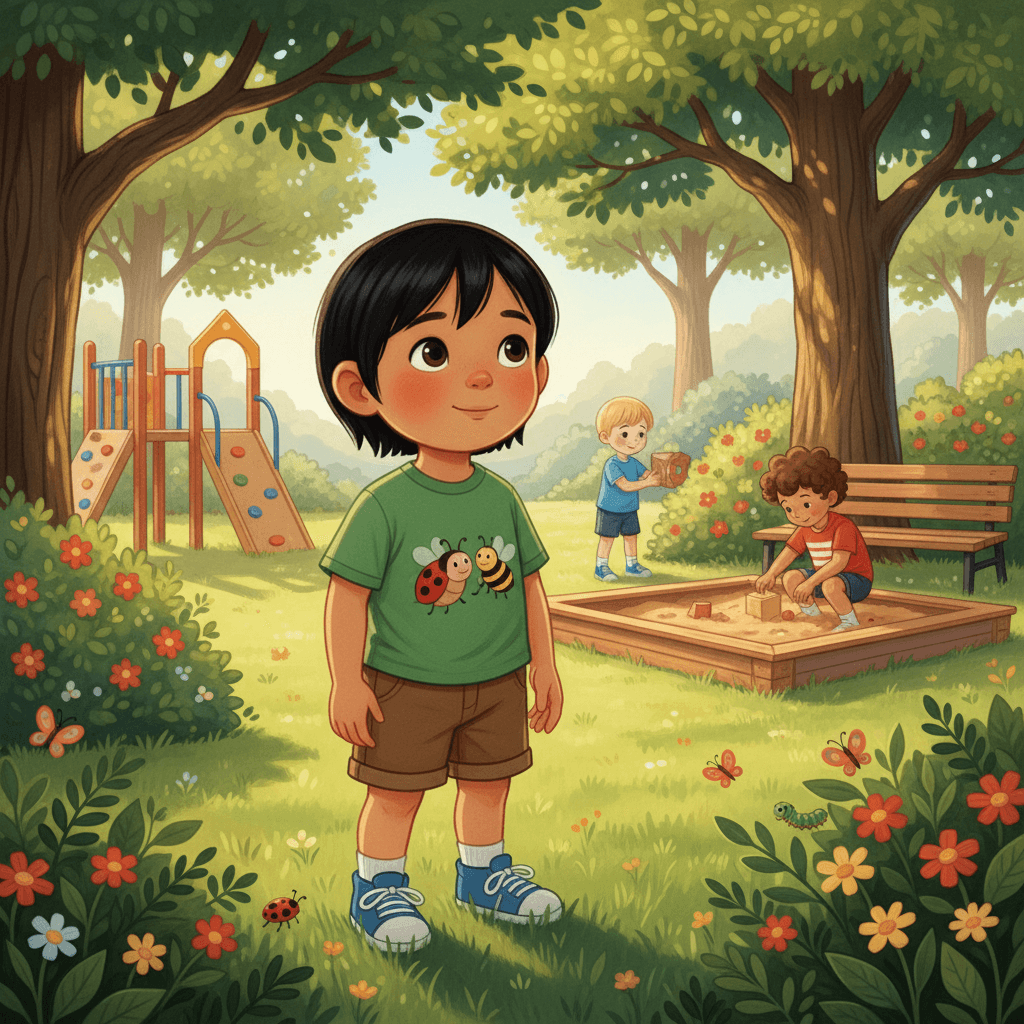
Kai feels left out when friends start playing a game without including them, and learns how to join in and make new connections.
Waiting My Turn in Line
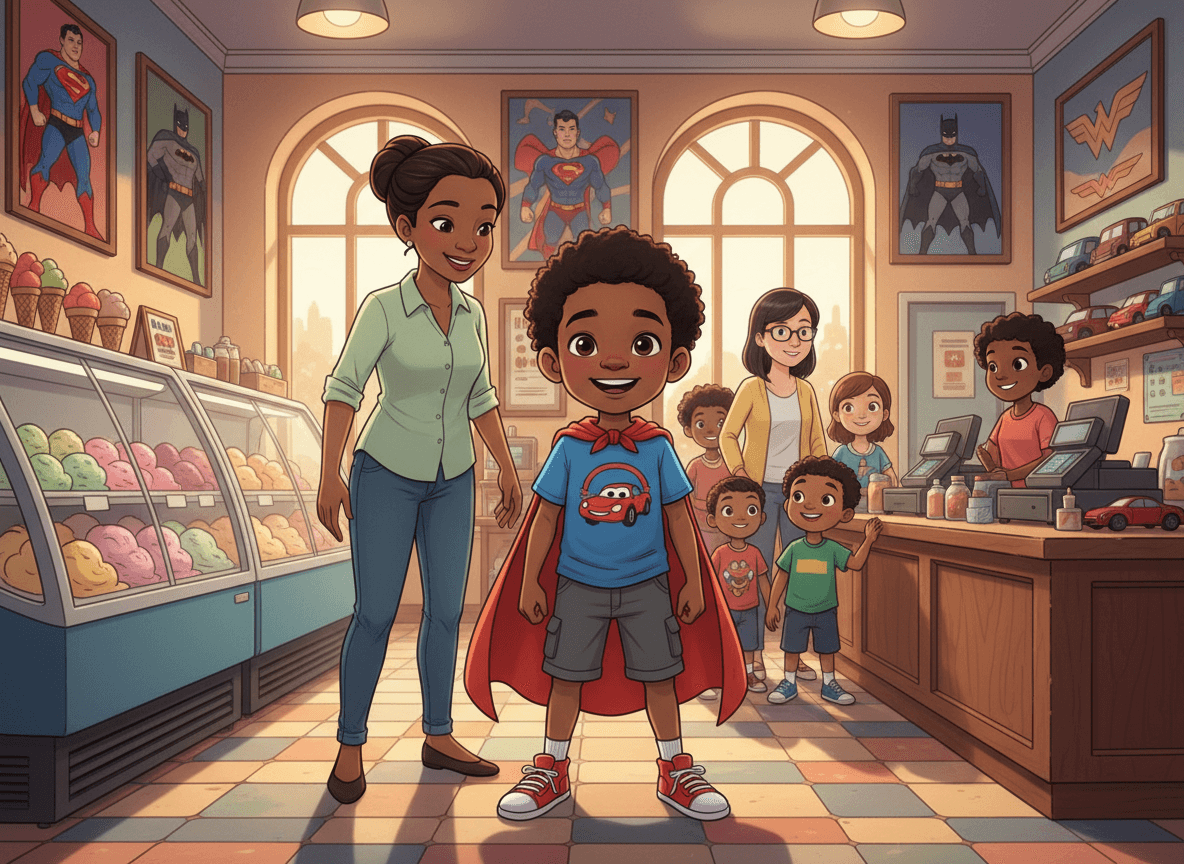
Marcus learns that waiting in line helps everyone get a turn, and discovers strategies to stay calm while waiting. Set at a superhero-themed ice cream shop, this story shows Marcus practicing patience and seeing why lines work.

Taking Turns With Friends
Priya learns that taking turns and sharing toys with classmates helps everyone have fun together and makes friendships stronger.