
Keeping My Body Clean and Strong
Zara learns why daily hygiene habits like showering and brushing teeth are important for her health and well-being. The story explains the science behind these routines in a way that connects to her interests.
Free to read and print — no account required





Read the Story
9 pages · 7 min read read
Show text
Read the Story
9 pages · 7 min read read
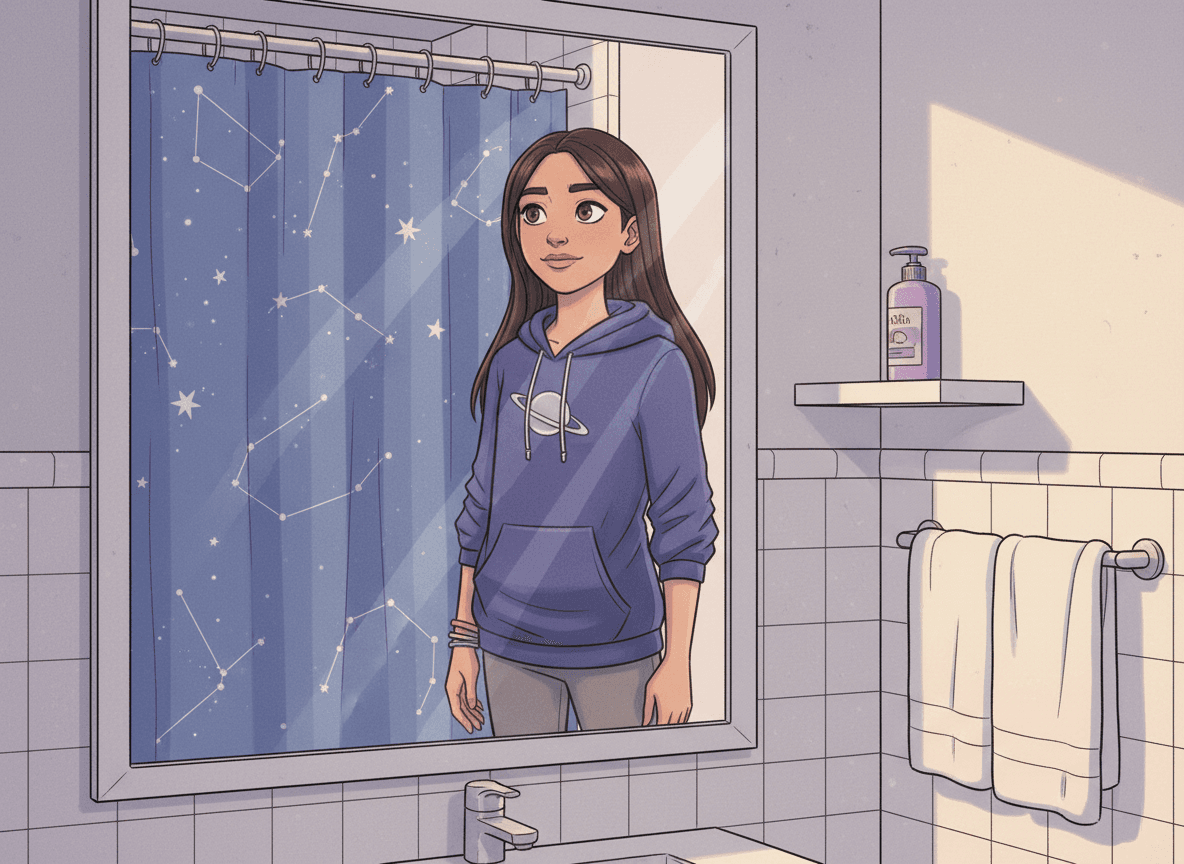
My name is Zara, and I'm learning something really important about taking care of my body. Just like astronauts need to maintain their spacecraft to keep it running smoothly, my body needs regular care to stay healthy and strong. Taking care of myself through good hygiene habits is one way I help my body work its best.
Every day, my skin comes into contact with dirt, sweat, and germs from the environment. Some of these are completely normal and harmless, but over time they build up on my skin. When I shower regularly, usually every 1-2 days depending on how active I've been, I wash away this buildup. This keeps my skin clean and healthy, and it helps prevent skin irritation and infections.
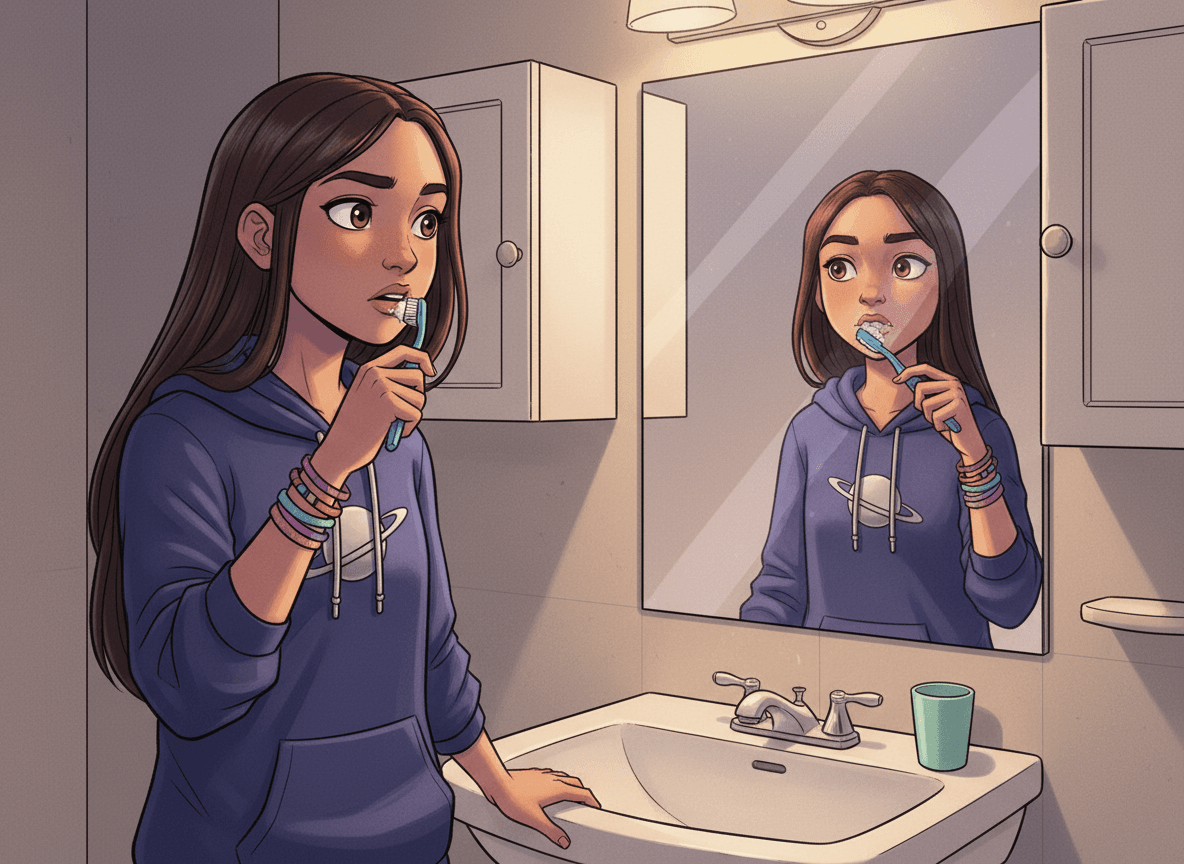
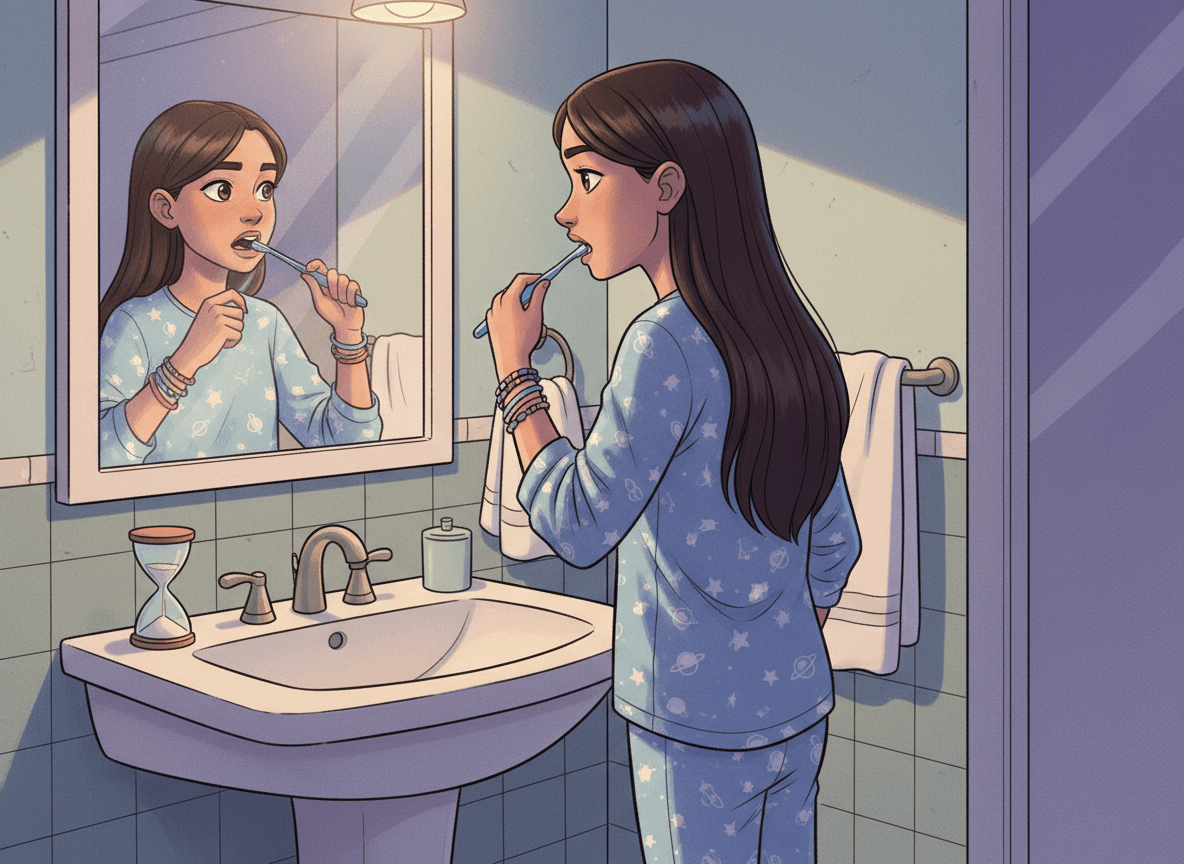
Brushing my teeth is equally important. My mouth has bacteria that feed on the sugar and food particles left behind after eating. When these bacteria are left on my teeth, they create acids that can damage my tooth enamel and cause cavities. By brushing my teeth twice a day—once in the morning and once before bed—I remove this buildup and keep my teeth and gums healthy.
I've learned that showering doesn't have to take a long time. I spend about 10-15 minutes washing my hair, body, and face with warm water. I use gentle soap that won't dry out my skin. After rinsing completely, I dry off with a clean towel and put on fresh clothes. This routine helps me feel refreshed and gives me energy for the day ahead.
For brushing my teeth, I use a gentle technique. I place my toothbrush at a 45-degree angle where my teeth meet my gums, and I brush in small circular motions for about 2 minutes. This helps clean the tooth surface and the sensitive gum line. I make sure to brush all the way to the back teeth and even my tongue, since bacteria live there too.
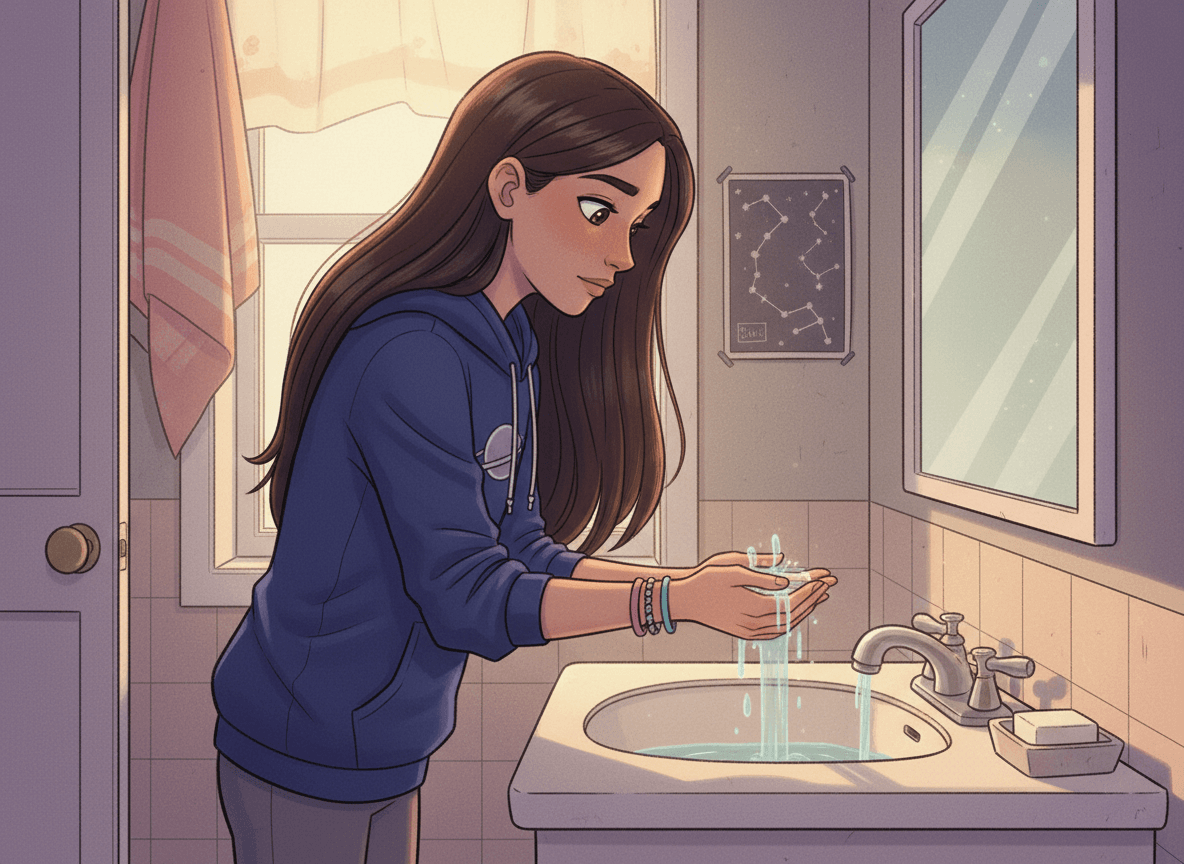
I also think about hygiene in other situations. After I skateboard or do any physical activity, I wash my hands and face because sweat and dirt can build up quickly. When I'm at school coding on computers, I wash my hands before eating because keyboards have lots of germs. After I use the bathroom, I always wash my hands with soap and warm water for about 20 seconds—which is the time it takes to hum the 'Happy Birthday' song twice.
Sometimes I don't feel like showering or brushing my teeth, especially when I'm in the middle of drawing manga or working on a coding project. But I remind myself why these habits matter. Clean skin and teeth help me avoid infections and pain. Plus, when I'm clean and fresh, I feel more confident at school and when I'm spending time with friends. It's easier to focus on what I'm interested in when my body feels good.
I understand now that taking care of my hygiene is not about being perfect—it's about treating my body with respect. My body carries me through skateboarding sessions, creative drawing projects, and learning challenges. When I shower regularly and brush my teeth twice a day, I'm making a choice to keep my body strong and healthy. This is one way I take care of myself, and it makes me feel proud.
My hygiene routine has become part of my daily schedule now. I shower after I've been active or at the end of the day, and I brush my teeth right after waking up and before going to bed. Having a routine makes it easier because I don't have to think about it each time—my body just expects it. Taking care of myself is something I do for me, because I'm worth taking care of.
Social Story Methodology
Why This Story Works
This story transforms hygiene routines from abstract 'shoulds' into concrete, sensory-specific steps that children with autism and ADHD can visualize and follow. By using Zara's relatable interests (skateboarding, manga, coding) as anchors and providing exact timings and techniques (10-15 minute showers, 45-degree angle brushing, 20-second hand-washing), the story reduces decision fatigue and anxiety around transitions. Gray's methodology shines here: the story validates that motivation fluctuates ('Sometimes I don't feel like...') while showing how routine becomes automatic, which is especially powerful for neurodivergent learners who thrive with predictable structure.
Story Structure
How It's Written
Sentence Types
Voice & Perspective
Story Structure
Practical Guidance
Ways to Use This Story
Set Visual Timers for Each Step
Anchor Hygiene to Existing Routines
Use the 'Happy Birthday' Trick for Hand-Washing
Connect Hygiene to Their Specific Interests
Create a Routine Checklist They Can Check Off
Want this story made just for your child?
Create a version with your child's name, appearance, and the specific details only they face — in minutes.
from $2.99 · no subscription · pay per story
More Daily Routines Stories
Free to read and print
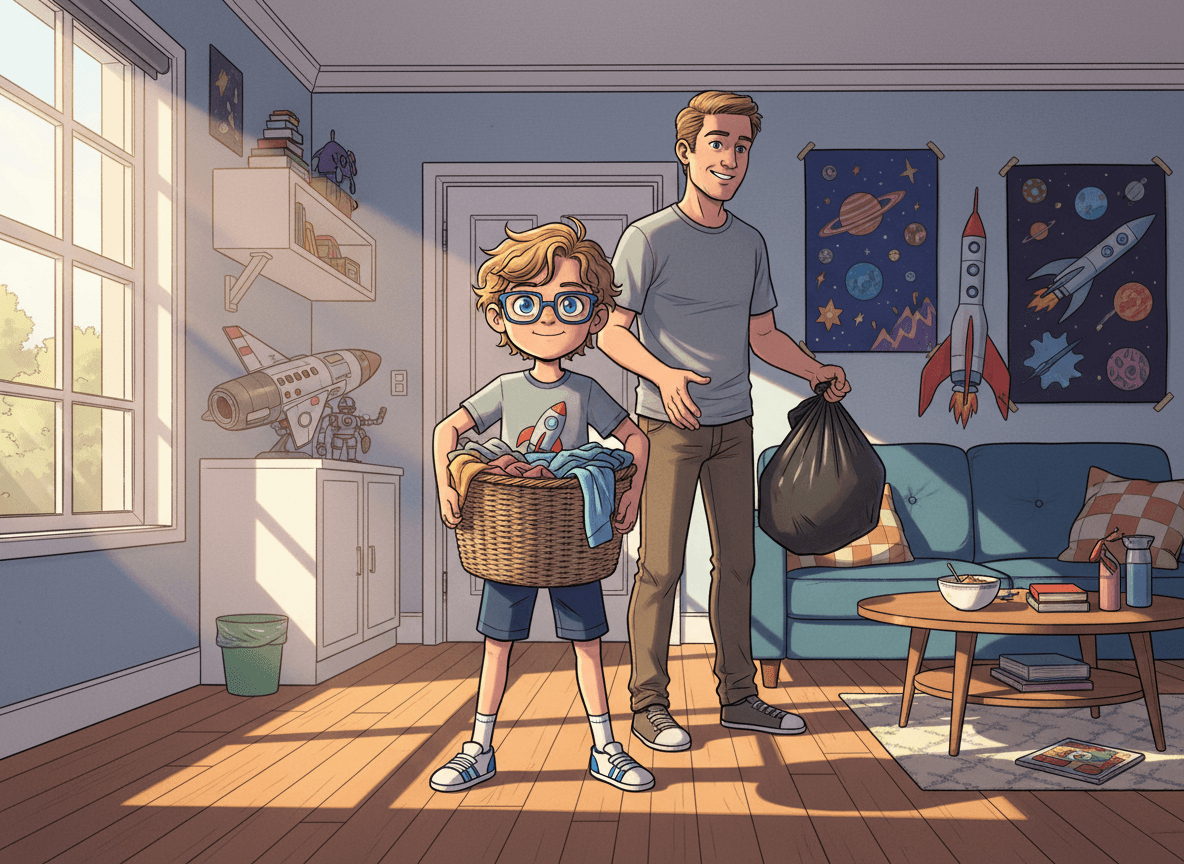
Helping Dad With Chores
Liam learns why helping with household chores matters and discovers how his contributions make a real difference to his family. Through a specific Saturday morning scenario, he sees the connection between his actions and the comfort of his home, and learns a coping strategy to manage frustration.
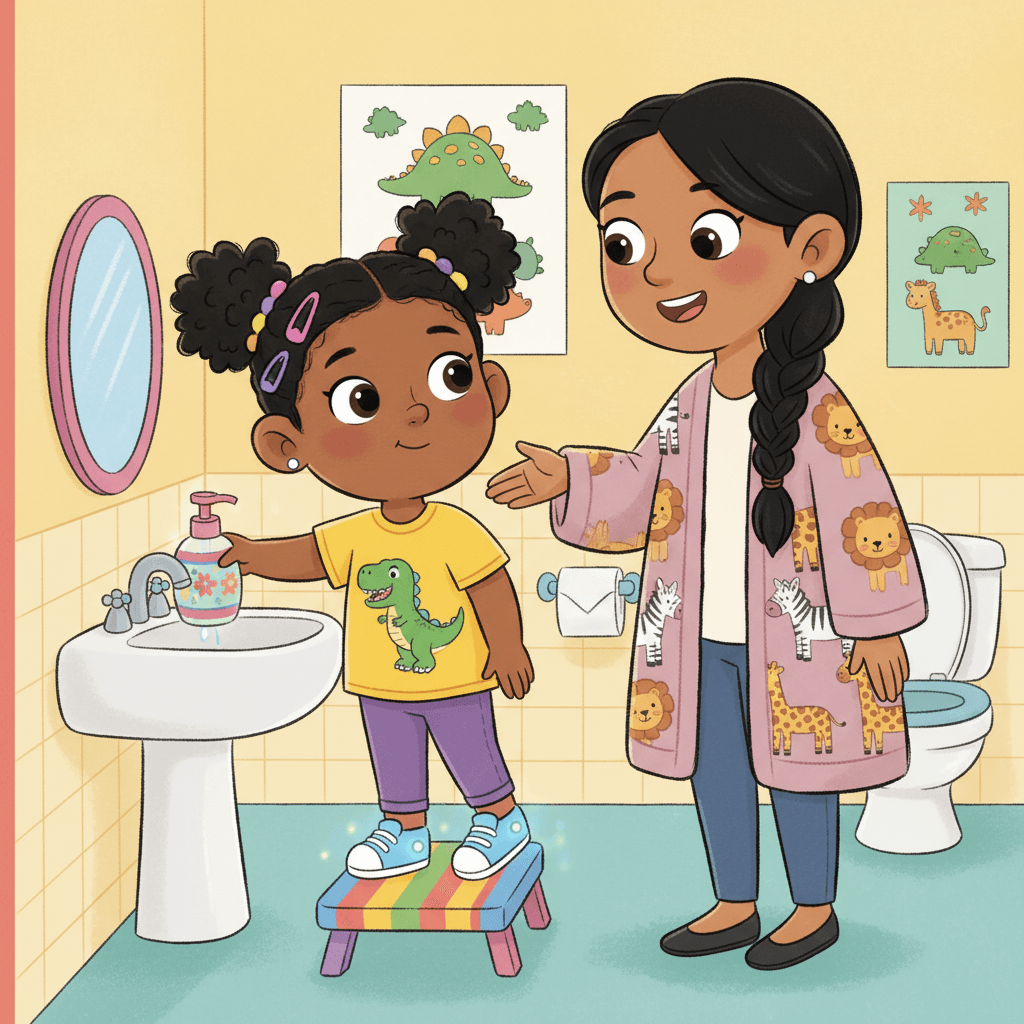
Using the Bathroom at Preschool
Aisha learns the steps for using the bathroom independently at preschool, with support from her teacher Ms. Rodriguez. This story helps her understand the routine and build confidence.

Trying New Foods with Aisha
Aisha discovers that trying new foods can be an adventure, with support from Mama. This story helps children understand why we try new foods and gives them strategies to feel brave during mealtime.